iAspirants
Addressing Human-Wildlife Conflict Challenges
Published on:
Share this post
Article Summary
Summary of Human-Wildlife Conflict (HWC) Issues
Conceptual Overview:
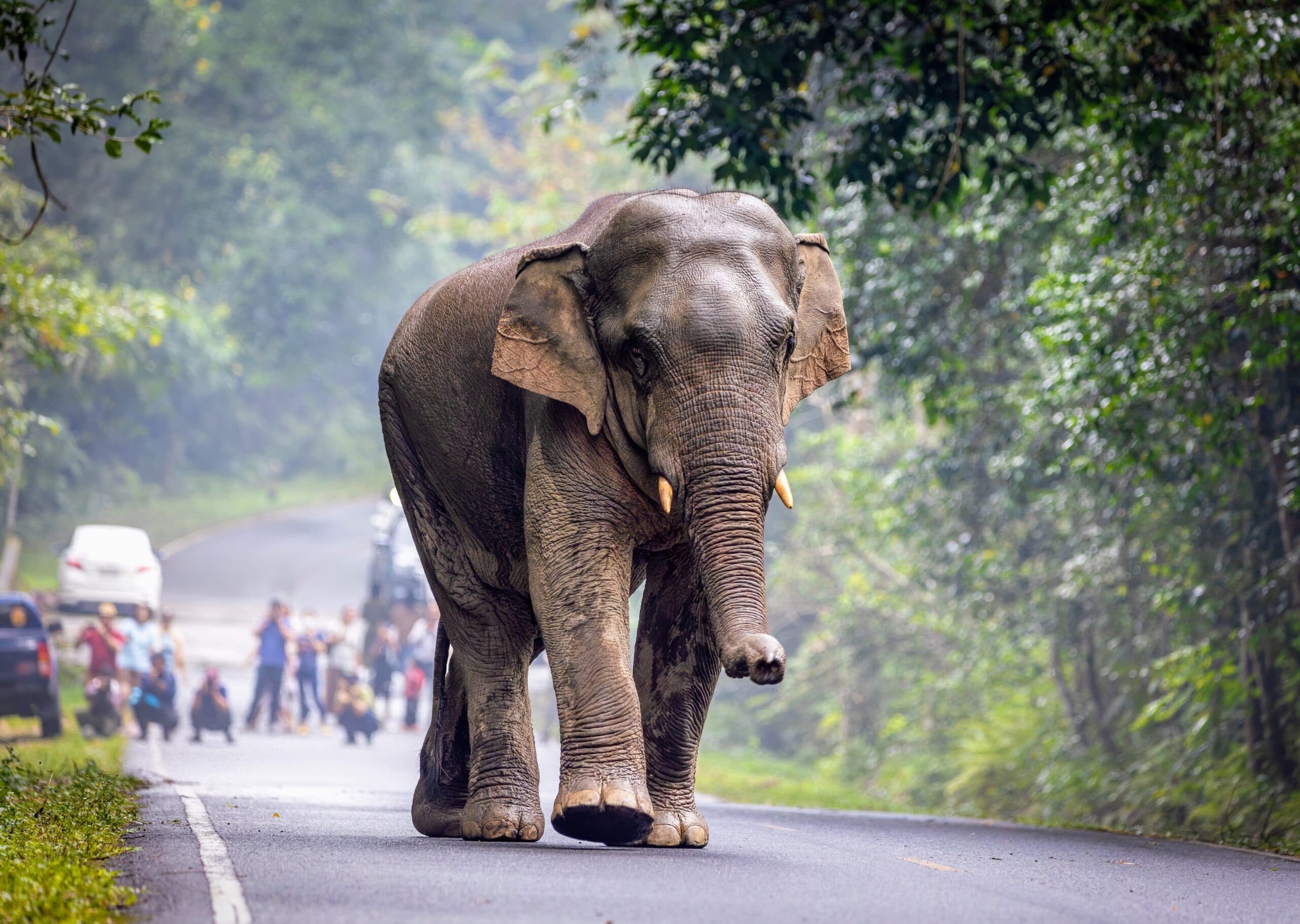
- Human-wildlife conflict (HWC) is a socio-ecological challenge influenced by land use, livelihoods, and ecological changes rather than merely due to wildlife encroachment.
- Increased interactions between humans and wildlife are driven by habitat transformation due to agricultural expansion and land use changes.
Geographical Patterns:
- Severe HWC incidents are most prevalent in South/Southeast Asia and sub-Saharan Africa, with countries like India, Brazil, Kenya, and Tanzania facing major challenges involving elephants and big cats.
- Environmental pressures such as habitat fragmentation due to deforestation and road constructions disrupt animal movement corridors, increasing the likelihood of conflict.
Animal Behavior and Ecological Balance:
- Animal behaviors, such as crop raiding or livestock predation, are adaptive responses to ecological constraints rather than aggression.
- Crop damage by elephants and livestock losses to predators reflect ecological imbalances due to habitat loss and reduced natural prey availability.
Global Responses and Models:
- Solutions from countries like Botswana and Namibia demonstrate the effectiveness of community-based natural resource management, where local communities benefit economically from wildlife tourism, thereby minimizing hostility.
- Costa Rica integrates ecological corridors into national planning for habitat connectivity, while Finland utilizes real-time monitoring and compensation systems to manage risks and resentment.
Measures in India:
- India's frameworks addressing HWC include compensation schemes and technological interventions; however, implementation of these schemes needs to enhance timeliness, coverage, and accessibility, especially for marginalized communities.
- Existing legal frameworks for wildlife protection need to evolve with changing land-use patterns and ecological pressures.
Challenges and Proposed Solutions:
- Emphasis on managing wildlife-human interfaces through habitat restoration, ecological connectivity, and community-based conflict mitigation is critical.
- Experts caution the applicability of controversial measures like fertility control in wild elephants, emphasizing the focus should remain on habitat preservation and restoration.
- Documented successful interventions in Bhutan and Nepal include community-managed forests and predator-proof livestock enclosures supported by stable conservation funding.
Climate Change Impact:
- Climate change is projected to worsen HWC by altering resource availability, further complicating coexistence strategies.
- A shift in perspective is needed, recognizing wildlife as integral to ecological systems rather than external threats.
Future Directions:
- Future strategies should prioritize secure wildlife corridors, improved land-use planning, and strong community involvement in conservation to foster coexistence.
- Educational initiatives could help rebuild community tolerance toward wildlife.
- Recognizing HWC as a predictable outcome of land resource use is essential to managing conflicts through informed, equitable, and sustainable approaches.
This comprehensive assessment illustrates the multifaceted nature of human-wildlife conflict, underscoring the necessity for collaborative, adaptive, and scientifically-backed solutions to ensure the coexistence of humans and wildlife.
Key Terms & Concepts
| Human-wildlife conflict (HWC) | Ecological challenge and issue |
| South and Southeast Asia | Geographical areas of conflict |
| Brazil, India, Indonesia, Kenya, Tanzania | Countries experiencing HWC |
| elephants, big cats | Wildlife species involved |
| habitat fragmentation | Cause of increased conflict |
| community-based natural resource management | Management system in Africa |
| Costa Rica | Country with ecological corridors |
| Finland | Implemented real-time monitoring |
| compensation schemes | Efforts to address HWC |
| solar fencing, early-warning systems | Technological interventions used |
| habitat restoration, ecological connectivity | Long-term solutions to HWC |
| climate change | Factor affecting wildlife behavior |