iAspirants
Advanced Landslide Mitigation Measures Implemented
Published on:
Share this post
Article Summary
Summary of Initiatives by the Ministry of Road Transport and Highways (MoRTH) for Landslide Mitigation in Himalayan Regions
Context
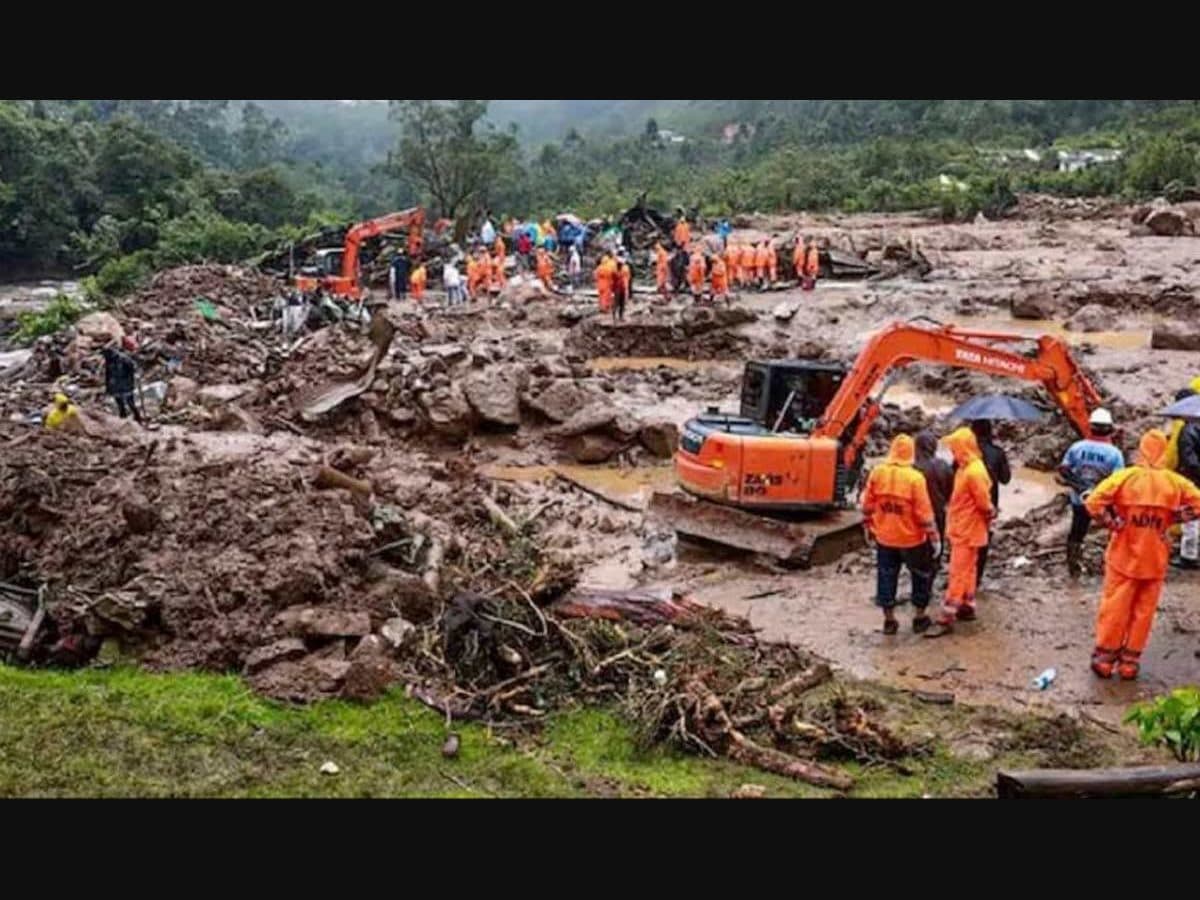
- Recent Events: The devastating cloudbursts in August 2022 in Uttarkashi highlighted the challenges faced by Himalayan highways, including sudden floods and land instability.
- Infrastructure Vulnerability: Over 16,788 km of national highways in hilly states are susceptible to natural disasters.
Key Initiatives
Advanced Landslide Mitigation Measures:
- Deployment of Interferometric Synthetic Aperture Radar (InSAR) for landslide monitoring and early warning on a 100 km stretch of the Char Dham highway in Uttarakhand.
- Real-time monitoring systems for landslides and land subsidence are planned for the NH-5 stretch in Himachal Pradesh.
Institutional Collaborations:
- MoRTH has signed MoUs with scientific agencies, including the Geological Survey of India (GSI), for geological surveys and risk assessments.
- Collaboration with various institutes, including IIT Roorkee and THDC India Limited, to strengthen geotechnical investigations and design reviews.
Policy and Procedural Reforms:
- Adoption of phased construction methodologies, ensuring slopes are stabilized for at least one monsoon season before road construction.
- Implementation of a policy providing extended timeframes for projects in sensitive regions like the Himalayas and the Western Ghats.
Technological Integration:
- Use of satellite-based monitoring technologies to detect micro-seismic activities, enhancing early warning capabilities for landslides.
- Advanced techniques like drone surveys and LIDAR for detailed risk assessments and monitoring.
Slope Stabilization Techniques:
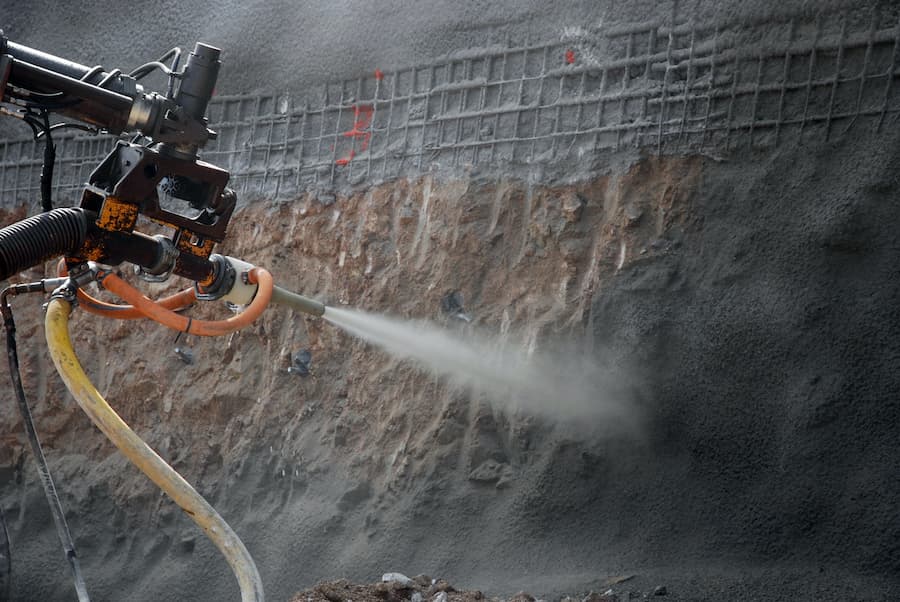
- Engineering solutions such as soil nails, retaining walls, and efficient drainage systems to prevent landslides.
- Innovative approaches using local materials for slope protection, as highlighted in a report by IIT Delhi.
Standards and Regulations:
- Development of a comprehensive specification framework for rockfall protection measures aligning with international standards, including CE marking and quality assessments.
Economic Considerations
- Construction costs for mountainous highways range from ₹15-30 crore per km, while repairs after a moderate landslide can cost ₹10-25 crore and cause traffic disruptions of 2-5 days.
Ongoing and Future Actions
- Current Projects: Landslide treatment has been initiated at 58 identified locations in Uttarakhand, with ongoing relief work at 96 sites.
- Future Plans: Continued risk assessments and the implementation of mitigation strategies are crucial for developing resilient transport corridors in India’s diverse terrains.
Conclusion
These initiatives reflect a shift from reactive disaster response to proactive risk mitigation, enhancing the safety and reliability of highway infrastructure in India's vulnerable mountainous regions. The integration of scientific research and technological advancements plays a pivotal role in addressing the challenges posed by natural disasters.
Key Terms & Concepts
| Ministry of Road Transport and Highways | Implementing advanced mitigation measures |
| IN-SAR Technology | Monitoring landslides in Uttarakhand |
| NH-5 | Section under real-time monitoring |
| Geological Survey of India (GSI) | Providing geological mapping data |
| Total National Highway Network | Approximately 146,570 km long |
| Himalayan Region | Geologically sensitive area |
| Tihri Hydro Development Corporation | Collaborating on landslide mitigation |
| Drone and LiDAR Surveys | Advanced risk assessment technologies |
| Construction Cost | 15-30 crore per km |
| Landslide Repair Costs | 10-25 crore per incident |
| Slope Stabilization Measures | Preventing landslides and rockfalls |
| IIT Delhi | Providing expert recommendations |