iAspirants
Current AffairsPrelims PYQsUPSC CSE SyllabusUPSC CSE StrategyBlogsPricing
Login
iAspirants

Your AI-powered companion for UPSC preparation.

Quick Links

  • Home
  • About Us
  • Current Affairs
  • Prelims PYQs
  • UPSC CSE Syllabus
  • UPSC CSE Strategy
  • Blogs

Company

  • Pricing
  • FAQs
  • Contact Us
  • Login

Legal

  • Privacy Policy
  • Terms & Conditions
  • Return Policy

© 2025 iAspirants, Inc. All rights reserved.

  1. Blogs
  2. Science and Technology

Advancements in Agricultural Technology

Published on: 11-Aug-2026

Source: PIB

Share this post

Advancements in Agricultural Technology

Article Summary

Agricultural Technology Advancements: Key Highlights

Government Initiatives and Schemes:

  1. National Agricultural Development Scheme (RKVY):

    • Promotes agricultural mechanization through the Sub-Mission on Agricultural Mechanization (SMAM).
    • Provides financial assistance for purchasing agricultural machinery, establishing Custom Hiring Centers (CHC), and High-Tech Hubs.
    • Focuses on enabling small and marginal farmers to access modern agricultural machinery at affordable rates.
  2. Digital Agriculture Mission:

    • Aims to enhance agricultural planning and service delivery using digital public infrastructure and technology-based farmer-centric services.
    • Integrates various farmer-centric schemes like PM-Kisan, Kisan Credit Card (KCC), and MSP-based crop procurement systems through a farmer registry (AgriStack).
  3. Digital Crop Survey:

    • Conducted in Kharif 2025, covering over 28.5 crore plots across 604 districts.
    • Captures crop data digitally with photos and geo-tagging to improve production estimates and logistics management.
  4. Integrated Horticulture Development Mission (MIDH):

    • Provides financial assistance for adopting advanced horticulture tools and machinery to enhance mechanization in horticultural crops.

Technological Integration in Agriculture:

  • Modern Technologies Used:

    • Advanced agricultural machinery, precision farming, drones, AI, IoT, robotics, sensors, remote sensing, GIS, and satellite applications.
    • Drones utilized for spraying pesticides and nutrients, improving efficiency and reducing input costs.
  • AI and Digital Infrastructure:

    • AI-driven platforms provide real-time, location-specific agricultural advice and access to government schemes.
    • Over 5.9 lakh farmers assisted through AI platforms, resolving over 93 lakh queries.

Research and Development:

  • Conducted by Indian Council of Agricultural Research (ICAR) and state agricultural universities to develop location-specific and crop-specific machinery.
  • Focus on minimizing mechanical damage while ensuring crop specificity and maintaining quality during harvesting.

Multidisciplinary Nature of Agriculture:

  • Agriculture has evolved into a multidisciplinary field incorporating mechanics, electronics, automation, computer science, and data analytics.
  • Integration of engineering, robotics, machine learning, and data analytics has accelerated the development of intelligent agricultural machinery and smart farming solutions.

Economic and Productivity Indicators:

  • Agricultural technology advancements have led to improved productivity, efficient resource utilization, reduced farming costs, and adaptation to climate change.
  • As of August 6, 2026, over 10.33 crore farmer IDs have been created, facilitating targeted delivery of agricultural services and benefits.

Summary:

The Indian government is actively promoting agricultural technology advancements through various schemes and initiatives aimed at increasing productivity, enhancing efficiency, and ensuring sustainable farming practices. The integration of modern technologies and multidisciplinary approaches is transforming the agricultural sector, making it more competitive and resilient to challenges.

Key Terms & Concepts

National Agriculture Development Scheme (RKVY)Promoting agricultural mechanization
Digital Agriculture MissionImproving agricultural service delivery
Kisan RegistryDatabase for farmer services
Digital Crop SurveyCapturing crop data digitally
AI-driven Digital Public InfrastructureReal-time agricultural advice
Indian Council of Agricultural Research (ICAR)Research in agricultural machinery
Integrated Horticulture Development Mission (MIDH)Financial support for horticulture tools
DronesSpraying pesticides and nutrients
Machine LearningEnhancing agricultural solutions
Internet of Things (IoT)Data collection in agriculture
Geographic Information Systems (GIS)Mapping and analyzing agricultural data
Precision Farming

Mind Map for UPSC Civil Services Revision

Turn UPSC Civil Services Current Affairs Into Exam-Ready Notes

Reading Science and Technology current affairs is half the work. Revise them with ready-made notes and test what actually stuck.

  • Daily UPSC Civil Services current affairs analysis
  • Revision notes, mind maps & MCQs
  • Prelims mock tests with instant results

Related UPSC Civil Services Current Affairs Articles

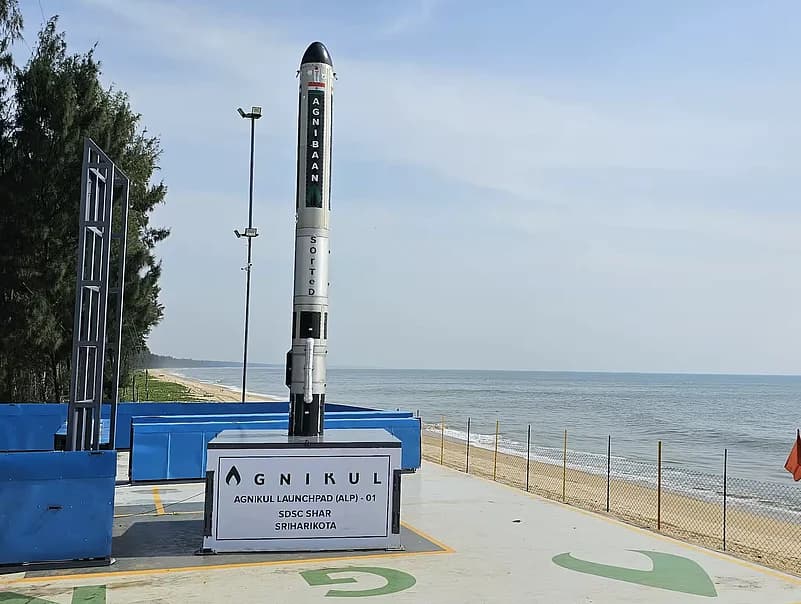
Development of Reusable Agniban Rocket
Science and Technology25-Sep-2026

Development of Reusable Agniban Rocket

Summary of Agnikul Cosmos Project

Objective:
Development of a next-generation reusable launch vehicle (RLV) named AgniBaan, advancing technology from Technology Readiness Level (TRL) 4 to TRL 8.

Financial Support:

  • ₹200 crore allocated by the Technology Development Board (TDB) under the Department of Science and Technology (DST).
Optimizing resource utilization
Custom Hiring Centers (CHC)Providing access to machinery
Financial Assistance for FarmersSupport for modern equipment
2026Target date for farmer ID completion
28.5 CroresArea covered in Digital Crop Survey
  • Funding through optionally convertible debentures (OCD).
  • Project Overview:

    • Aimed at creating a fully reusable space transport system, going beyond traditional recovery methods of just the first stage of the launch vehicle.
    • Designed to enable high-frequency and repeatable launches while reducing launch and manufacturing costs and limiting space debris.

    Technical Features:

    • Incorporates a lightweight upper stage, precise orbital entry capabilities, and a semi-cryogenic liquid propulsion system designed for deep throttling and re-ignition.
    • Focused on increasing the reusability of the launch system while providing flexibility in mission operations.

    Previous Achievements:

    • Agnikul has previously developed indigenous orbital-class launch vehicles and a single-piece 3D-printed rocket engine, AgniLet.
    • Prior support from TDB for the development and commercialization of modular configurable launch vehicles for small satellite missions.

    Technological Advancements:

    • The project includes technologies for controlled descent and recovery, with propulsion systems capable of re-ignition and deep throttling, essential for descent and landing operations.
    • Aims to develop and verify necessary technologies for propulsion, ascent systems, orbital entry, descent, and recovery.

    Strategic Importance:

    • The initiative is aligned with TDB's focus on advanced and reusable launch vehicles and propulsion innovations.
    • Acknowledges the need for technologies that can achieve not only orbit access but do so with increased frequency, flexibility, and efficiency.

    Government Perspective:

    • Rajesh Kumar Pathak, Secretary of TDB, emphasized the necessity for such technologies in the next phase of India’s space journey, highlighting reusability as a critical technical area.
    • The collaboration showcases the government's commitment to promoting indigenous technology development in India.

    Conclusion:
    The AgniBaan RLV program reflects India's strategic focus on enhancing capabilities in advanced space transport systems, aiming to create a world-class operational vehicle for repeated access to space through indigenous technology development.

    DRDO Signs Quantum Technology Agreement
    Science and Technology24-Sep-2026

    DRDO Signs Quantum Technology Agreement

    Summary of Key Facts and Developments

    1. Project Overview:

    • The Defence Research and Development Organisation (DRDO) has signed a significant project agreement with the start-up Zero MK India Private Limited under the Technology Development Fund (TDF) scheme.
    • The project aims to develop an indigenous dilution refrigerator with a capacity of 20 milliKelvin, essential for quantum applications.

    2. Financial Aspects:

    • This agreement is the first major project under a 500 crore INR fund approved by Defence Minister Rajnath Singh for high-value deep technology and cutting-edge projects.

    3. Technical Specifications:

    • The dilution refrigerator is a specialized cryogenic system capable of achieving extremely low temperatures at the milliKelvin level.
    • Such low-temperature environments are crucial for the operation and testing of quantum computing platforms and related quantum technologies.

    4. National Quantum Mission:

    • The indigenous development of the 20 milliKelvin dilution refrigerator aligns with the National Quantum Mission, aiming to strengthen India's capabilities in quantum technology, advanced cryogenics, and strategic technologies.
    • This initiative is expected to reduce dependence on imported cryogenic infrastructure and bolster the ecosystem associated with quantum technology in India.

    5. Government Support and Acknowledgments:

    • Defence Minister Rajnath Singh praised the collaboration between DRDO, the defense industry, and stakeholders associated with this vital project.
    • He expressed confidence that this partnership would serve as a significant precedent for future cooperation between DRDO and the defense industry in emerging technology sectors.

    6. Project Management:

    • The project will be monitored and guided by the director and team of the Solid State Physics Laboratory.
    • Key officials present at the signing included the Defence Secretary, Secretary of the Defence Research and Development Department, and the Chairman of DRDO, Rajesh Kumar Singh.

    7. Implications for Self-Reliance:

    • The initiative is a step towards promoting self-reliance in technology and fostering a quantum-ready ecosystem in India.
    • It is expected to enhance India's strategic technology capabilities and contribute to national defense and security.

    8. Broader Context:

    • This development is part of India's broader effort to advance its position in quantum technology and is consistent with global trends in scientific research and technological advancement.

    Conclusion

    The agreement between DRDO and Zero MK India Private Limited marks a significant advancement in India's pursuit of quantum technologies, highlighting the government's commitment to fostering indigenous capabilities and reducing reliance on foreign technology. This project is poised to play a crucial role in the future landscape of quantum computing and its applications.

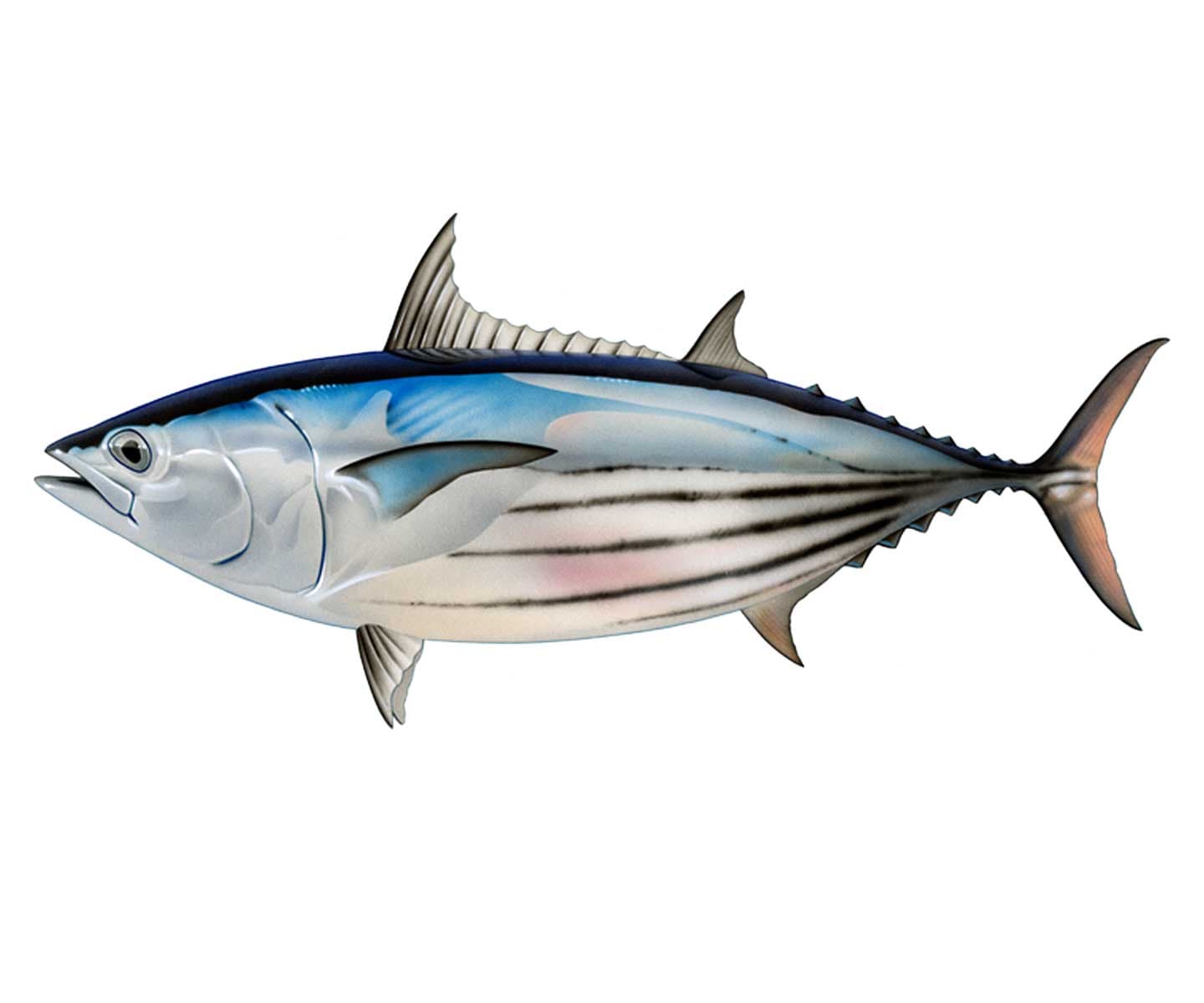
    ICAR-CMFRI Advises on Tuna Consumption
    Science and Technology24-Sep-2026

    ICAR-CMFRI Advises on Tuna Consumption

    Summary of ICAR-CMFRI Advisory on Tuna Fish Consumption

    Key Facts:

    • Institution: ICAR-Central Marine Fisheries Research Institute (ICAR-CMFRI), Kochi.
    • Advisory Issued: Consumers are advised not to stop eating tuna or other market fish based on reports of parasite infections in fish from specific geographic areas.

    Research Findings:

    • Parasite Presence: No harmful parasite infections were found in tuna and other fish examined along the Indian coast.
    • Geographic Specificity: The presence and number of parasites can vary significantly between different fish species and geographic regions. Information from one region should not be generalized to another.

    Context of Advisory:

    • The advisory follows reports of parasites found in skipjack tuna from a study conducted on fish in the Atlantic Ocean near Brazil.

    Scientific Approach:

    • ICAR-CMFRI conducts regular checks on fish biology, including skipjack tuna, for any abnormalities or parasite presence.
    • Changes in parasite presence are used globally as indicators to differentiate fish stocks or populations.
    India's Semiconductor Expansion Conference Highlights
    Science and Technology24-Sep-2026

    India's Semiconductor Expansion Conference Highlights

    India Semiconductor Mission (ISM) Overview

    • Event: SEMICON India Conference, attended by nearly 600 companies from 52 countries.
    • Organizer: Ministry of Electronics and Information Technology (MeitY).
    • Inauguration: By Prime Minister Narendra Modi.
    • Significance: Highlights India's growing semiconductor ecosystem amid global demand driven by AI technology.

    Current Semiconductor Landscape

    • Supercycle: Term used to describe prolonged investment and growth in semiconductor demand, comparable to past tech booms in computing and smartphones.
    • Demand Drivers: Major data centers and AI technologies are increasing demand for specialized chips.
      • AI Chips & GPU Use: Crucial for AI model training; capable of handling multiple calculations simultaneously.
      • High-Bandwidth Memory (HBM): Essential for rapid data transfer, allowing construction of advanced memory stacks.
    New Malaria Cure Unveiled in Germany
    Science and Technology24-Sep-2026

    New Malaria Cure Unveiled in Germany

    Summary Notes on New Malaria Cure

    1. New Treatment:

      • A synthetic preparation named “Plasmochin” has been introduced as a new cure for Malaria.
      • Claimed to be more effective than quinine.
    2. Research Background:

      • Initial experiments were conducted by Professor Shell on individuals specially infected with malaria germs.
      • Further successful testing was performed by Professor Muchlens at the Hamburg Tropical Institute on over a hundred malaria-affected individuals from various global locations.
    3. Effectiveness:

      • The treatment reportedly led to permanent cures in many cases.
    4. Scientific Community Announcement:

      • The findings were presented at the Scientists’ and Doctors’ Congress in Düsseldorf, indicating significant recognition in the medical field.
    5. Potential Impact:

    New Quantum Measurement Techniques Developed
    Science and Technology24-Sep-2026

    New Quantum Measurement Techniques Developed

    Exam-Focused Notes on Quantum Measurement Research

    Overview of Research

    • Field: Quantum Measurement Theory (QMT)
    • Institution: Raman Research Institute (RRI), Department of Science and Technology (DST), India.
    • Key Achievement: Experimental demonstration of multiple quantum measurements beyond classical probability limits.

    Key Concepts

    • Quantum Measurement: Refers to the act of measuring quantum systems, where outcomes can differ from classical expectations.
    • Event-Filtering: A proposed new tool for quantum measurement and computing that selects specific photon paths while allowing others for further quantum processes.

    Experimental Details

    • Methodology: Researchers assigned quantum measurements to selected paths of photons between a laser source and a detector.
    • Polarization Technique: Used to distinguish and select desired photon pathways, enabling the study of interactions among different photon paths.
    India's Role in Semiconductor Boom
    Science and Technology23-Sep-2026

    India's Role in Semiconductor Boom

    1. Semiconductor Landscape in India:

    • The India Semiconductor Mission (ISM) facilitates India’s growth in semiconductor manufacturing, under the Ministry of Electronics and Information Technology (MeitY).
    • SEMICON India conference attended by nearly 600 companies from 52 countries.
    • There is a global semiconductor "supercycle" fueled by rising demand from AI, data centers, robotics, and autonomous vehicles.

    2. Economic Indicators and Investments:

    • Major technology companies (Microsoft, Amazon, Google, Meta) projected to spend $635 billion on AI infrastructure by 2026.
    • Companies are shifting toward B2B sales with long-term take-or-pay agreements securing chip demands.

    3. Key Technologies and Market Trends:

    • Data centers are driving chip demand; AI chips (Graphics Processing Units) required for extensive calculations.
    • High-bandwidth memory (HBM) chips facilitate rapid data movement, with only three manufacturers currently in the market (SK Hynix, Samsung, Micron).
    • Micron estimates threefold manufacturing capacity needed for HBM compared to standard memory.

    4. India's Position and Government Schemes:

    • ISM 1.0 approved 12 semiconductor projects; moves towards assembly, testing, packaging rather than large-scale wafer production.
    • Projects include Micron’s facility in Gujarat and Sahasra Semiconductors for NAND flash storage.
    • Effects of global chip demand are impacting Indian market supply and prices.
    • ISM 2.0 aims to enhance connectivity in AI systems with financial support for capital expenditures and R&D in chiplet technologies.

    5. Technological Development and Chip Design:

    • Pursuit of chip design is critical; nearly 20% of the global chip workforce is based in India.
    • Incentive schemes encourage innovation in chip designs, with startups like Netrasemi developing edge-AI processors.

    6. Future Recommendations:

    • NITI Aayog's semiconductor roadmap advocates for pilot lines for chiplets and HBM-class integration projecting efficiency and cost reductions in semiconductor manufacturing.

    7. International Relationships:

    • Collaborative ventures like Nvidia's stake in CoreWeave illustrate connected supply chains in the AI chip market.

    8. Legal and Regulatory Framework:

    • The semiconductor initiatives align with constitutional guidelines ensuring technological advancement and economic growth as per the Directive Principles of State Policy (DPSPs) under Article 39(e) and 39(f).

    This summary highlights significant facts, figures, and developments related to India's semiconductor sector, ensuring clarity and objectivity for exam-oriented studies.

    Indian Railways Launches KAVACH 4.0 System
    Science and Technology23-Sep-2026

    Indian Railways Launches KAVACH 4.0 System

    Indian Railways' KAVACH 4.0 Implementation

    Overview:

    • Indian Railways has successfully implemented the KAVACH 4.0 system on the South Central Railway, marking a significant advancement in rail safety.
    • The upgrade of the KAVACH system from version 3.2 to 4.0 covers 108 route kilometers on the Malkajgiri-Kamareddi section in Telangana.

    Key Features of KAVACH 4.0:

    • Enhanced Safety:

      • Improved location accuracy for better train positioning.
      • Better signal information in large yards enhances situational awareness during train operations.
      • Direct electronic interlocking interface increases reliability and safety.
    • Technological Advancements:

      • The latest version includes upgrades based on experiences from the successful operation of KAVACH 3.2 over 1,465 kilometers.
      • Integration with Optical Fiber Cable (OFC) for improved communication and system integration.
    • Automatic Train Protection (ATP):

    Safety Recommendations:

    • Proper handling and immediate removal of internal organs (like intestines) during fish preparation are crucial for food safety.
    • Cooking fish thoroughly kills parasites, significantly reducing health risks.
    • In some cultures, raw or lightly cooked seafood is consumed, which may carry higher risks, particularly in areas with high parasite prevalence and inadequate testing.

    Cultural Context:

    • In India, seafood is generally cooked at high temperatures, enhancing food safety.

    Conclusion:

    Consumers should not avoid tuna or other market fish solely due to reports from specific areas. Instead, they should follow safe handling, cleaning, and cooking practices to enjoy the nutritional benefits of fish while minimizing potential risks.

    Market Dynamics & Projections

    • Market Concentration: HBM market dominated by SK Hynix, Samsung, and Micron with high production requirements.
    • Investment Projection: Major tech companies (Microsoft, Amazon, Google, Meta) are expected to spend approximately $635 billion on AI infrastructure by 2026.
    • Production Agreements: Memory manufacturers are engaging in long-term contracts (take-or-pay agreements), alleviating production volatility.

    India's Position in Semiconductor Production

    • ISM 1.0 Initiatives: Approval of 12 semiconductor projects, primarily in assembly, testing, and packaging.
    • Lack of Wafer Fabrication Plants: India is yet to establish a large-scale chip production facility, primarily relying on imports.
    • Projects Initiated:
      • Micron's facility in Gujarat for specialized wafer processing.
      • Sahasra Semiconductors for NAND flash packaging.

    Economic Impact of AI Demand

    • Impact on Supply: Increased demand for memory from AI applications is tightening supplies and affecting prices.
    • Capital Market Trends: Interest divergence towards semiconductor-centric markets in Taiwan and South Korea.

    Future Plans & Government Schemes

    • ISM 2.0 Goals: Enhance existing facilities and support manufacturing stages through:
      • Financial backing for packaging schemes.
      • R&D support for chiplet technologies.
    • NITI Aayog's Roadmap: Promotes pilot lines for chiplets and HBM-class integration, combining advanced processors with memory.
    • Chip Design Focus: Approximately 20% of the global chip workforce is in India, with efforts on developing innovative AI edge-processors (e.g., Netrasemi's initiative).

    International Collaborations & Investments

    • Strategic Acquisitions: Germany's Infineon acquiring Bangalore-based fabless company C2i to enhance AI power control solutions.
    • Emerging Value Chains: Development of specialized AI processors that lower latency by processing data on devices instead of relying on cloud computing.

    Conclusion

    The growth of India's semiconductor ecosystem amid increasing AI-driven chip demand presents opportunities and challenges. The ISM initiatives, coupled with government support and private investments, aim to bolster India's position in the global semiconductor market, essential for meeting the needs of emerging technologies.

  • If proven effective on a larger population, “Plasmochin” may transform current malaria treatment protocols and contribute to global health improvements.
  • This summary captures the essence of advancements in malaria treatment through the introduction of Plasmochin, which may have implications for public health.

  • Results: Achieved a quantum measurement value of approximately 1.17, which is experimentally consistent with a predicted value of 1.18, indicating behavior beyond classical probability.
  • Key Findings

    • Multiple Quantum Measurements: The experiment demonstrated that quantum measurements can exceed the classical upper limit of one, through interactions between different photon paths.
    • Significance: This research provides a practical example of quantum measurement, moving theoretical concepts into the laboratory realm.

    Theoretical Framework

    • Quantum Measurement Theory (QMT): Developed by co-author Rafael Sorkin, focusing on the description of quantum processes in space-time.
    • Implications: The findings extend the range of questions related to quantum processes that can be experimentally addressed.

    Future Applications

    • Quantum Computing: The event-filtering mechanism may enhance quantum computing capabilities by improving measurement precision.
    • Potential Developments: The research opens pathways for new quantum technologies and experimental methods.

    Publication and Recognition

    • Published In: Quantum Journal
    • Research Team: Included PhD student Sanchari Chakraborty and senior professor Urvashi Sinha.

    Conclusion

    This research marks a significant milestone in quantum measurement, demonstrating that experimental methods can effectively explore and validate complex quantum theories. The findings could have far-reaching implications for quantum computing and our understanding of quantum mechanics.

    • KAVACH 4.0 is now being utilized as an ATP system, designed to assist locomotive pilots in maintaining speed limits and automatically applying brakes if necessary.

    Operational and Technical Requirements:

    • The deployment of KAVACH requires comprehensive infrastructure, including:
      • Installation of station KAVACH systems.
      • RFID tagging along the entire track length.
      • Telecommunication towers throughout the section.
      • Laying of optical fiber cables alongside railway tracks.
      • Implementation of locomotive KAVACH on operational engines.

    Safety Standards:

    • KAVACH meets the highest safety certification level, Safety Integrity Level-4 (SIL-4), ensuring robust safety measures are in place.

    Significance:

    • The successful operation of KAVACH 4.0 is a crucial step towards enhancing indigenous railway safety technology and expanding advanced automatic train safety capabilities within the Indian railway network.
    • The initiative reflects a commitment to improving operational safety in diverse weather conditions and reducing collision risks.

    Future Plans:

    • Indian Railways plans to implement KAVACH 4.0 on a broader scale across its extensive railway network, further bolstering rail safety standards nationwide.

    Conclusion:

    • KAVACH 4.0 represents a major technological leap in the field of railway safety in India, emphasizing the use of indigenous technology to enhance operational safety and efficiency.