iAspirants
Advancements in Neurotechnology and BCIs
Published on:
Share this post
Article Summary
Neurotechnology in India: Landscape and Developments
Overview
- Neurotechnology refers to mechanical systems that communicate with the brain to monitor, influence, or record neural activity.
- It merges neuroscience, AI, engineering, and computing.
Key Technologies
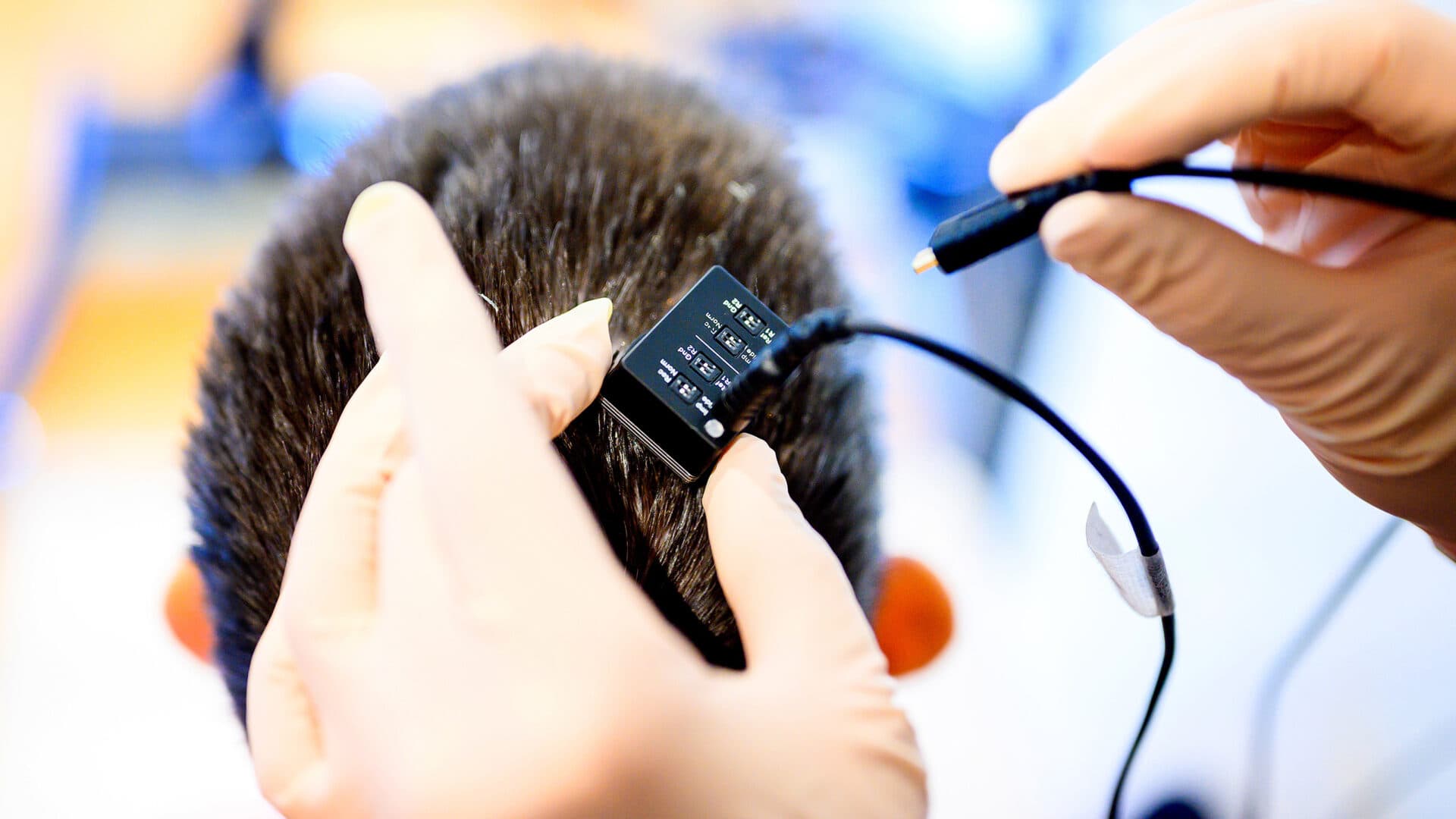
- Brain-Computer Interface (BCI):
- Converts brain signals into digital commands (e.g., controlling a computer cursor, robotic arms).
- Feedback can be non-invasive (EEG headsets) or invasive (implanted electrodes).
Applications
- Therapeutic Uses:
- Neuroprosthetics for mobility restoration in paralyzed patients.
- Stimulation therapies for treating conditions like depression and Parkinson’s disease.
- Research:
- Diagnostic tools for brain disorders.
- Inter-mouse neural communication studies.
Current Challenges and Ethical Considerations
- While BCI technologies offer significant therapeutic advantages, they raise ethical debates, especially regarding enhancement and military use.
- Key considerations include data privacy and user autonomy, which necessitate specific regulatory measures tailored to different BCI types.
Health Context in India
- High prevalence of neurological diseases, with strokes and injuries being major contributors.
- Between 1990 and 2019, non-communicable diseases related to neurological issues rose steadily.
Indian Initiatives in Neurotechnology
- IIT Kanpur: Development of a BCI-based robotic hand aimed at aiding stroke patients.
- National Brain Research Centre: Leading research institutions focusing on neuroscience advancements.
- Dognosis: Startup using neurotechnology to train dogs for cancer screening by recognizing scent-related neural patterns.
Global Context
- U.S. Leadership: The NIH's BRAIN Initiative focuses on accelerating neurotechnological advancements.
- Neuralink: Approved by the FDA for human trials to restore motor function in paralyzed patients.
- China Brain Project (2016-2030): Aims to advance understanding of cognition and develop brain-inspired AI.
- EU and Chile: Developing laws for brain-computer interfaces and recognizing neurorights.
Economic Potential
- The neurotechnology sector offers significant economic opportunities and positions India as a potential hub for development due to its diverse genomic resources and growing expertise.
Future Outlook
- Strong regulatory frameworks are essential for guiding BCI technology development and ensuring public engagement.
- An adaptive regulatory pathway focusing on ethical and technical assessment of BCIs is necessary for successful integration into healthcare and economy.
Conclusion
Neurotechnology represents a pivotal development in both health and technology sectors, with substantial implications for therapeutic practices, ethical considerations, and economic opportunities in India. Ongoing research and international cooperation will be vital in navigating the complexities of this emerging frontier.
Key Terms & Concepts
| Brain-Computer Interface (BCI) | Translate thoughts into action |
| IIT Kanpur | Developed BCI-based robotic hand |
| National Brain Research Centre | Leading neuroscience research |
| Dognosis | Studies brain signals in dogs |
| NIH's BRAIN Initiative | Accelerate neurotechnology development |
| Neuralink | FDA approved BCI human trials |
| China Brain Project (2016-2030) | Focus on cognition and AI |
| EU and Chile | Pioneering BCI and neurorights laws |
| Regulatory pathways for BCIs | Assess technical and ethical aspects |