iAspirants
Advancing India's Thorium Nuclear Program
Published on:
Share this post
Article Summary
Nuclear Energy in India: Key Insights and Proposals
Thorium-Based Fuel Utilization
- Expert Advocacy: Anil Kakodkar, former Chairman of the Atomic Energy Commission, supports the early introduction of thorium-based fuel into India's indigenous Pressurized Heavy Water Reactor (PHWR) fleet alongside continuing with the three-stage nuclear program pioneered by Homi Bhabha in the 1950s.
- Strategic Shift: Current global trends are shifting from uranium to thorium, which aligns with Indian energy needs and abundant thorium resources.
Nuclear Energy Policies
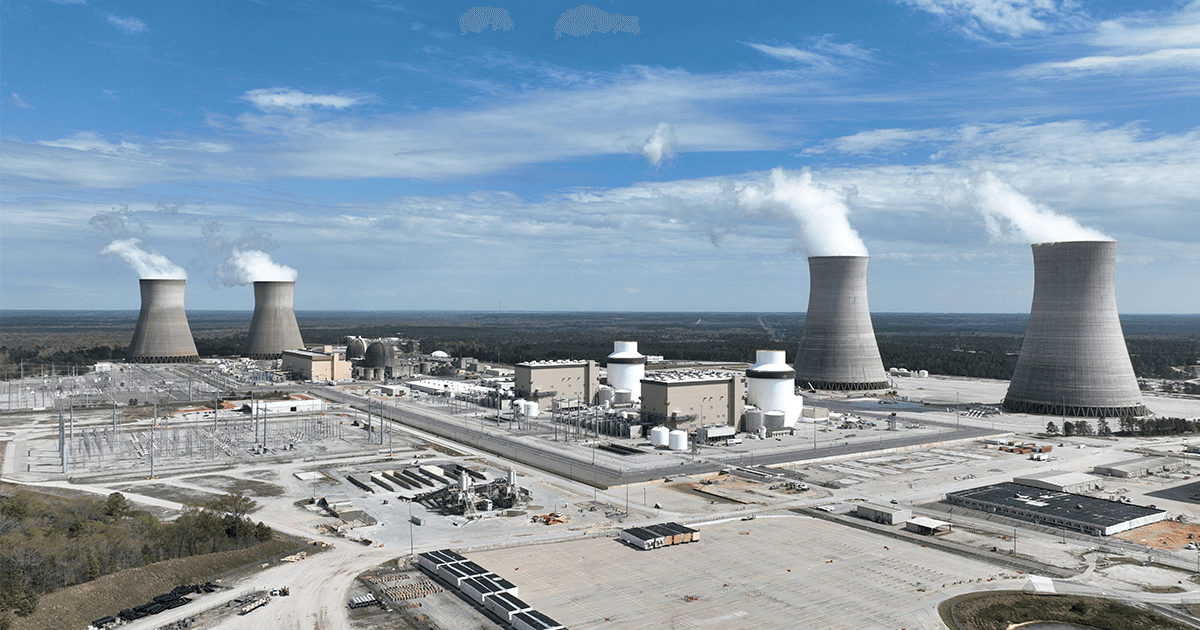
- National Policies: The government's National Nuclear Energy and Nuclear Fuel Recycle Policy drives reactor system choices and emphasizes indigenous development of PHWR technology for self-reliance and energy security.
- Capacity Goals: India's nuclear mission targets achieving 100 gigawatts electric (GWe) of nuclear capacity by 2047, primarily relying on domestic PHWRs.
Challenges and Opportunities
- Fuel Supply Issues: A decline in uranium supply due to geopolitical factors may impact India's nuclear energy goals in the next 10-15 years.
- Fast Breeder Reactors (FBRs): Development of FBRs is ongoing but needs accelerated implementation to ensure future energy security and efficient breeding of nuclear fuel.
Innovative Fuel Options
- HALEU and Thorium: Using High-Assay Low-Enriched Uranium (HALEU) blended with thorium in PHWRs is proposed to enhance safety, reduce waste, and expedite reaching the third stage of the nuclear program via Thorium Molten Salt Reactors (TMSRs).
- Modularization Benefits: The introduction of Small Modular Reactors (SMRs) utilizing established PHWR technology could lead to efficient, clean energy supplies.
Economic and Technological Implications
- Investment Attraction: PHWRs are positioned as robust, safe, and economically competitive technologies, making them appealing to investors.
- Self-Reliance Emphasis: It is imperative to transition from uranium dependency towards domestic thorium utilization, fostering local technological advancements.
International Context and Cooperation
- Global Trends: The nuclear energy market anticipates a supply-demand mismatch due to reluctance in uranium recycling.
- Collaborative Opportunities: Opportunities for mutually beneficial international collaborations must respect the rights of all participating nations, promoting a stronger position for India.
Key Takeaways
- Energy Independence: The move to thorium and the development of PHWR technology is critical for India's long-term energy independence.
- Strategic Development: Expanding thorium use through innovative reactor designs will underpin future energy capacity and ensure alignment with global shifts in nuclear technology preferences.
This summary encapsulates the current discourse surrounding India's nuclear energy landscape while detailing government policies, expert insights, and the anticipated future of nuclear technology in the country.
Key Terms & Concepts
| Anil Kakodkar | Advocated thorium fuel use |
| Pressurised Heavy Water Reactor (PHWR) | Key reactor technology |
| Three-stage nuclear programme | Core nuclear strategy for India |
| SHANTI Act | Regulation for nuclear sector |
| Rajiv Gandhi Science & Technology Commission | Nurtures scientific research |
| Homi Bhabha National Institute | Research and education in nuclear science |
| 100 gigawatt electric (GWe) nuclear mission | Nuclear capacity goal by 2047 |
| Fast Breeder Reactors (FBR) | Second stage of nuclear program |
| High-Assay Low-Enriched Uranium (HALEU) | New thorium blending fuel |
| Molten Salt Reactors (MSRs) | Planned for third stage |
| World Nuclear Association | Projecting future nuclear capacity |
| 220 megawatt electrical (MWe) PHWRs |