iAspirants
Current AffairsPrelims PYQsUPSC CSE SyllabusUPSC CSE StrategyBlogsPricing
Login
iAspirants

Your AI-powered companion for UPSC preparation.

Quick Links

  • Home
  • About Us
  • Current Affairs
  • Prelims PYQs
  • UPSC CSE Syllabus
  • UPSC CSE Strategy
  • Blogs

Company

  • Pricing
  • FAQs
  • Contact Us
  • Login

Legal

  • Privacy Policy
  • Terms & Conditions
  • Return Policy

© 2025 iAspirants, Inc. All rights reserved.

  1. Blogs
  2. Science and Technology

AI Exploit Demonstrated by Indian Researchers

Published on: 19-Sep-2026

Share this post

AI Exploit Demonstrated by Indian Researchers

Article Summary

  • Incident Overview: A three-member team of Indian-origin cybersecurity researchers from Hacktron AI conducted an authorized security test, demonstrating an AI-assisted attack that gained access to parts of OpenAI’s internal systems.

  • Key Personnel:

    • Mohan Pedhapati (CTO)
    • Harsh Jaiswal (Researcher)
    • Rahul Maini (Researcher)
  • Methodology: The research utilized Anthropic’s Claude AI model to exploit a vulnerability in a third-party service (OpenAI’s community forum running on Discourse). They initially discovered a flaw related to HEIC/HEIF image processing via the libheif library.

  • Timeline: The researchers began their investigation on July 23 and reached OpenAI’s internal GitHub environment by July 25, demonstrating access in less than 72 hours.

  • Findings:

    • Access was gained to ChatGPT and Codex accounts of OpenAI employees.
    • Researchers revealed the vulnerability by creating a pull request using a compromised account, which did not involve the downloading of sensitive data.
    • OpenAI's Monorepo, which contains vital software and algorithms, was accessed, but it is confirmed that no model weights were compromised.
  • Cybersecurity Implications:

    • The incident raises questions about the balance between cybersecurity defenses and the potential of AI to uncover and exploit software vulnerabilities.
    • The speed of developing exploits has drastically improved due to AI, compressing what previously took months into days.
  • Bug Bounty Compensation: OpenAI acknowledged the findings and paid Hacktron a $6,500 bug bounty for reporting the vulnerabilities.

  • Security Responses:

    • OpenAI addressed the issues by fixing the vulnerabilities and revoking affected authentication tokens.
    • Discourse also released fixes for the identified vulnerabilities in their forum software.
  • Concerns Raised:

    • There are warnings that AI tools lower the barrier to entry for conducting sophisticated cyberattacks, making it accessible to less experienced individuals.
    • Potential cascading risks arise from chaining multiple vulnerabilities (from different systems) to gain broader access.
  • Statements from Hacktron: The researchers emphasized their small-scale operation and pointed out the disparity in resources between their team and state-backed cyber groups, highlighting their use of generative AI models in their approach.

  • Broader Industry Context: Following other security breaches (e.g., involving Hugging Face), OpenAI has reassigned a quarter of its engineers to bolster security protocols, indicating a trend towards prioritizing cybersecurity across the tech industry.

  • AI Tool Utilization: The Hacktron team utilized multiple AI applications, including Claude and OpenAI's own GPT-5.6 Sol, at different stages of the security testing process.

This incident not only showcases the advancements in cybersecurity research through AI tools but also illustrates the emergent threats posed by such technologies in the hands of capable individuals. The emphasis will likely continue to shift towards enhancing security measures across major platforms to mitigate these risks.

Key Terms & Concepts

Hacktron AICybersecurity startup conducting research
OpenAITarget of cybersecurity exploit
Anthropic’s ClaudeAI model used in exploit
DiscourseForum software with vulnerability
$6,500Bug bounty paid to Hacktron
July 23, 2026Start date of research
July 24, 2026Release date of Claude Opus 5
July 25, 2026Remote code execution achieved
Vulnerability in HEIC/HEIFType of flaw exploited
libheifImage-processing library involved
CodexOpenAI model used for access
Private GitHub environmentAccessed internal software repository
Community sign-in tokens

Mind Map for UPSC Civil Services Revision

Turn UPSC Civil Services Current Affairs Into Exam-Ready Notes

Reading Science and Technology current affairs is half the work. Revise them with ready-made notes and test what actually stuck.

  • Daily UPSC Civil Services current affairs analysis
  • Revision notes, mind maps & MCQs
  • Prelims mock tests with instant results

Related UPSC Civil Services Current Affairs Articles

India's Growing Innovation Ecosystem
Science and Technology19-Sep-2026

India's Growing Innovation Ecosystem

Exam-focused Notes on India's Emerging Innovation Economy

1. Innovation Ecosystem Foundations:

  • India is increasingly developing technologies domestically through public research, corporate R&D, and deep-tech entrepreneurship.
  • Significant advancements noted in Gallium Nitride (GaN) semiconductor technologies, essential for advanced radar, space systems, and next-gen communications.
Vulnerability fixed by OpenAI
Pull requestProof of access demonstrated
ChatGPT and Codex accountsAccessed accounts during exploit

2. Patent Activity:

  • Patent filings surged from over 110,000 in 2024-25 to more than 143,000 in 2025-26, marking a 30.2% increase.
  • Domestic applicants represent nearly 70% of total filings.
  • In force patents in India stood at over 240,000 in 2025, contrasting sharply with China (5.7 million), the U.S. (3.5 million), and Japan (2.1 million).

3. R&D Investment:

  • India's R&D expenditure is below 1% of GDP, compared to 2.4% in China and 3.5% in the U.S.
  • Private sector R&D spending exceeded government funding for the first time in 2024 and is projected to account for 55% by 2025-26.

4. Defense and Technology Development:

  • DRDO (Defence Research and Development Organization) achieved breakthroughs in GaN MMICs, critical for military applications, after earlier restrictions under the Rafale jet deal.
  • India has become one of seven nations mastering GaN technologies, alongside nations like the U.S., China, and Germany.

5. 5G and Future Communication Technologies:

  • Bharat 6G Alliance (B6GA) aims to contribute 10% of global 6G patents by 2030, with over 7,700 patent filings reported.
  • Technical contributions to the 3GPP standards body have increased 15-fold since 2020.

6. Notable Companies and Innovations:

  • Jio Platforms reached the top 20 patent filers worldwide in 2025.
  • Startups such as Pixxel Space (hyperspectral imaging) and Skyroot Aerospace (reusable launch vehicles) illustrate the growth of India's deep-tech sector.

7. Healthcare Innovations:

  • ImmunoACT is advancing affordable cancer therapies, demonstrating a commitment to innovative healthcare solutions.
  • Initiatives like BIRAC support lead to innovations like smartphone-enabled retinal imaging to combat preventable blindness.

8. Challenges Ahead:

  • Despite progress, issues persist such as low commercialization rates, inadequate R&D funding, and challenges in patent processing and technology transfer.
  • Enhancements needed in IP regulations and scaling the innovation pipeline from research to market.

9. Government Support and Policies:

  • Heightened commitment towards Research, Development, and Innovation (RDI) aims to bolster technological autonomy and innovation capacities.
  • Initiatives like the India Deep Tech Alliance (IDTA) underpin investment strategies totaling over $2.5 billion.

10. Future Directions:

  • The blending of public institutions, private sector R&D, and startup innovation models is key to building a robust innovation economy.
  • India's transition from a service-oriented economy to a technology innovator is underway, indicating a burgeoning capability in generating indigenous technology and industrial frameworks.

These highlights reflect key trends, statistics, and developmental strategies shaping India's journey toward an innovation-led economy.

India's Growth in Semiconductor Manufacturing
Science and Technology19-Sep-2026

India's Growth in Semiconductor Manufacturing

Semiconductor Manufacturing in India - Key Highlights

  1. Government Initiatives and Programmes:

    • Inauguration of SEMICON India 2026 by Prime Minister Narendra Modi.
    • Launch of Semicon 2.0, a Rs 1.27 lakh crore programme focusing on diverse semiconductor areas such as equipment, materials, design, R&D, and skilled workforce.
    • Accelerated growth to commercial production of semiconductor chips within four years; a process typically taking a decade.
  2. Semiconductor Mission:

    • 12 projects approved under the first phase of the India Semiconductor Mission; three already underway in commercial production.
    • Aimed at building a comprehensive semiconductor ecosystem as a national priority.
  3. Market Demand and Economic Data:

    • Semiconductor market demand projected to reach $110 billion by FY30 and exceed $200 billion by FY35.
    • India spent approximately $150 billion on semiconductor imports from FY17 to FY25, with a CAGR of 23%. Annual imports could rise to $240 billion by 2035 if trends continue.
  4. Private Sector Engagement:

    • PM Modi emphasized the need for greater private sector involvement in R&D and advanced tech development.
    • Calling for the bridging of Indian and overseas expertise in the semiconductor sector.
  5. International Investment:

    • Applied Materials: $5 billion investment over the next decade, including the establishment of a 140-acre semiconductor research park and increasing supply-chain capacity.
    • Lam Research: Plans to invest Rs 10,000 crore to build a silicon-component manufacturing facility focused on advanced semiconductor technologies.
    • Micron Technology: Began shipping products from its Sanand facility in Gujarat; aims to scale production significantly in the coming years.
  6. Global Perspective:

    • Shift noted in the industry from planning to actual production, reflecting trust and confidence in India's semiconductor potential.
    • Infineon Technologies expanding its workforce in India; more than 2,800 employees, indicating the growing global involvement in the Indian semiconductor ecosystem.
  7. Technological Development:

    • Indian researchers contributing significantly to R&D with over 3,700 patents and inventions recorded by Micron Technology.
    • Emphasis on developing domestic capabilities in the semiconductor value chain.

Conclusion: India is positioning itself as a global alternative for semiconductor manufacturing amid rising global demand. The government's strategic initiatives and partnerships, alongside private sector investments and technological advancements, underscore a significant shift towards self-reliance in semiconductor production.

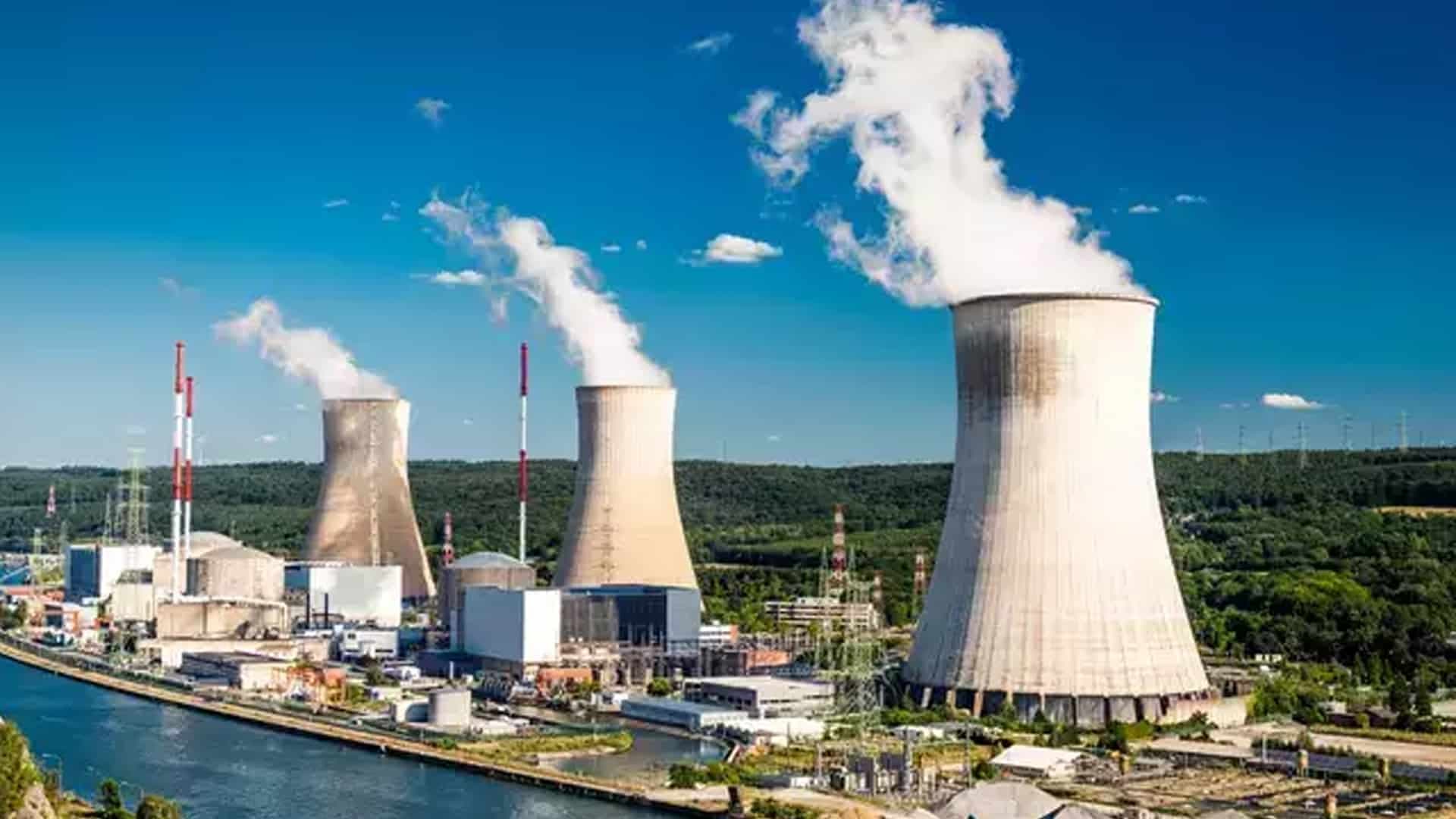
Advancing India's Thorium Nuclear Program
Science and Technology18-Sep-2026

Advancing India's Thorium Nuclear Program

Nuclear Energy in India: Key Insights and Proposals

Thorium-Based Fuel Utilization

  • Expert Advocacy: Anil Kakodkar, former Chairman of the Atomic Energy Commission, supports the early introduction of thorium-based fuel into India's indigenous Pressurized Heavy Water Reactor (PHWR) fleet alongside continuing with the three-stage nuclear program pioneered by Homi Bhabha in the 1950s.
  • Strategic Shift: Current global trends are shifting from uranium to thorium, which aligns with Indian energy needs and abundant thorium resources.

Nuclear Energy Policies

  • National Policies: The government's National Nuclear Energy and Nuclear Fuel Recycle Policy drives reactor system choices and emphasizes indigenous development of PHWR technology for self-reliance and energy security.
  • Capacity Goals: India's nuclear mission targets achieving 100 gigawatts electric (GWe) of nuclear capacity by 2047, primarily relying on domestic PHWRs.

Challenges and Opportunities

  • Fuel Supply Issues: A decline in uranium supply due to geopolitical factors may impact India's nuclear energy goals in the next 10-15 years.
  • Fast Breeder Reactors (FBRs): Development of FBRs is ongoing but needs accelerated implementation to ensure future energy security and efficient breeding of nuclear fuel.

Innovative Fuel Options

  • HALEU and Thorium: Using High-Assay Low-Enriched Uranium (HALEU) blended with thorium in PHWRs is proposed to enhance safety, reduce waste, and expedite reaching the third stage of the nuclear program via Thorium Molten Salt Reactors (TMSRs).
  • Modularization Benefits: The introduction of Small Modular Reactors (SMRs) utilizing established PHWR technology could lead to efficient, clean energy supplies.

Economic and Technological Implications

  • Investment Attraction: PHWRs are positioned as robust, safe, and economically competitive technologies, making them appealing to investors.
  • Self-Reliance Emphasis: It is imperative to transition from uranium dependency towards domestic thorium utilization, fostering local technological advancements.

International Context and Cooperation

  • Global Trends: The nuclear energy market anticipates a supply-demand mismatch due to reluctance in uranium recycling.
  • Collaborative Opportunities: Opportunities for mutually beneficial international collaborations must respect the rights of all participating nations, promoting a stronger position for India.

Key Takeaways

  • Energy Independence: The move to thorium and the development of PHWR technology is critical for India's long-term energy independence.
  • Strategic Development: Expanding thorium use through innovative reactor designs will underpin future energy capacity and ensure alignment with global shifts in nuclear technology preferences.

This summary encapsulates the current discourse surrounding India's nuclear energy landscape while detailing government policies, expert insights, and the anticipated future of nuclear technology in the country.

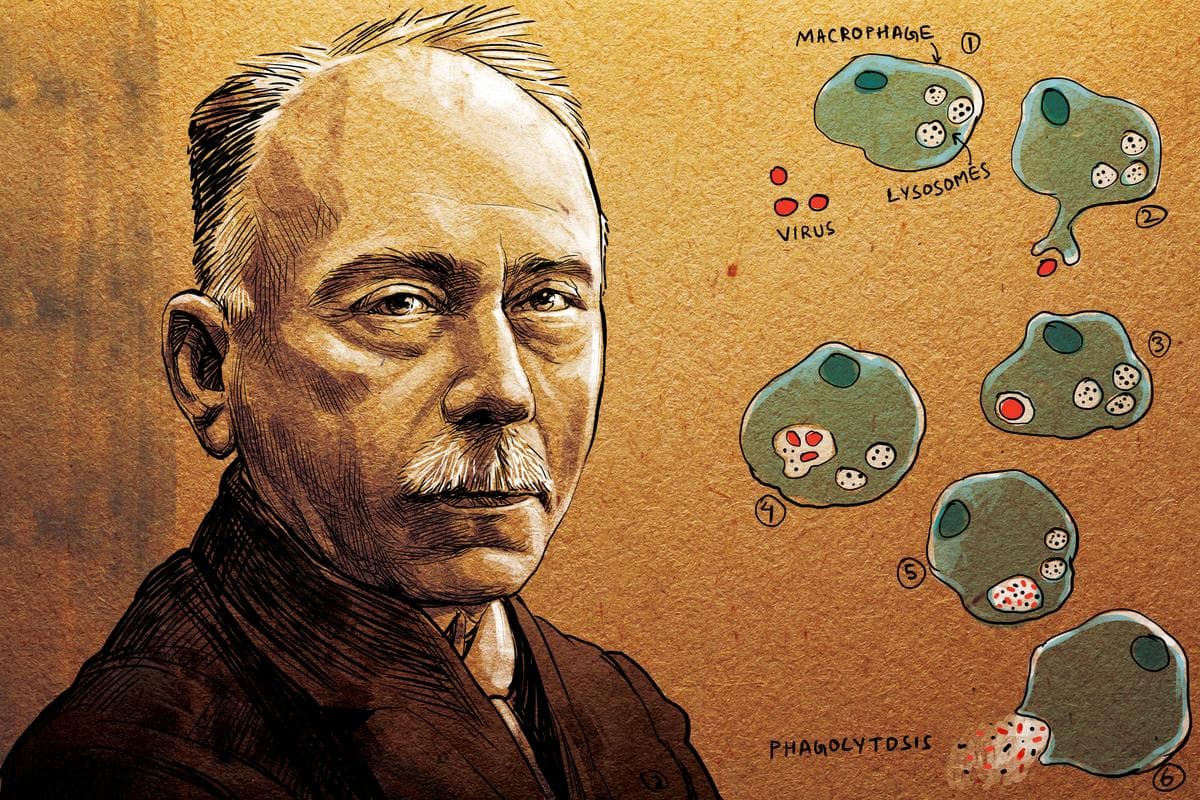
Jules Bordet's Immunology Breakthroughs
Science and Technology18-Sep-2026

Jules Bordet's Immunology Breakthroughs

Exam-Focused Notes on Nobel Prize in Physiology or Medicine

Historical Context:

  • The Nobel Prize in Physiology or Medicine was not awarded from 1915 to 1918 due to the disruptions caused by World War I.
  • The prize resumed in 1919, awarded to Jules Bordet for his work on immunity.

Key Contributions of Jules Bordet:

  • Immunology Foundations: Bordet's research laid the groundwork for modern immunology, specifically explaining the body’s defense mechanisms against microbes.
  • Discovery of Antibody and Complement System:
    • Demonstrated that immunity depends on two components: specific antibodies and a heat-sensitive substance in blood serum (later known as the complement system).
    • Showed that antibodies bind to bacteria but require the complement for effective destruction, revolutionizing the understanding of immune responses.

Notable Discoveries:

  • Developed the complement fixation test, an early laboratory method for detecting antibodies, which became critical in diagnostic microbiology.
Advancements in India's Nuclear Energy
Science and Technology17-Sep-2026

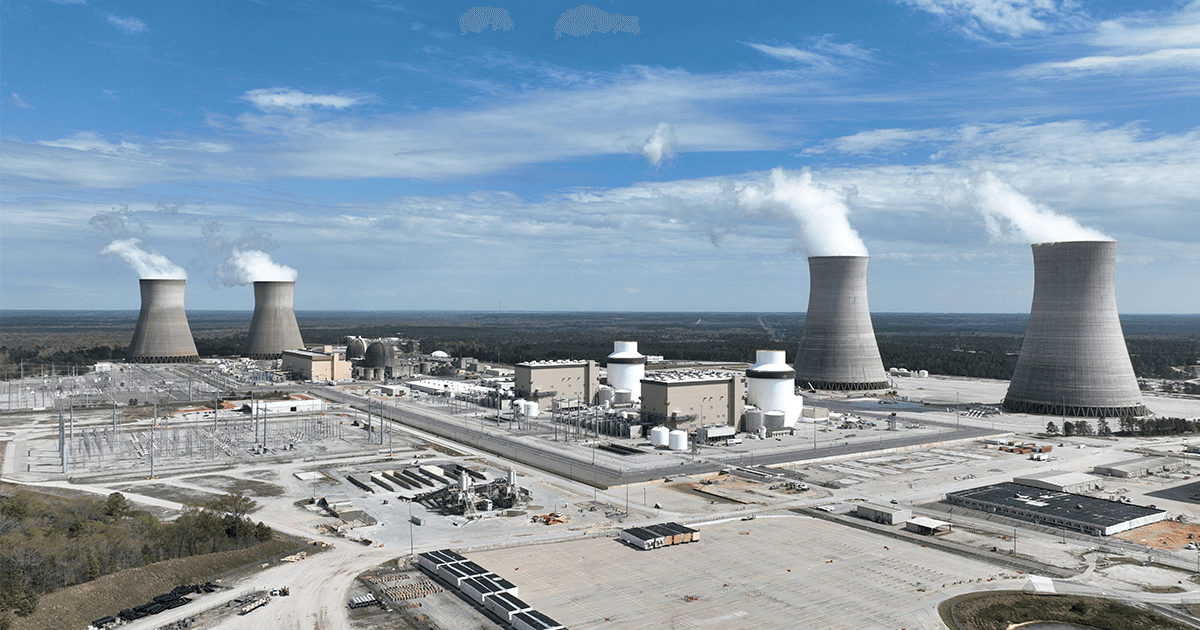
Advancements in India's Nuclear Energy

Key Points on India's Nuclear Energy Strategy

1. Thorium-Based Fuel Utilization

  • Advocacy for early introduction of thorium-based fuel in India's indigenous Pressurized Heavy Water Reactor (PHWR) fleet.
  • Continuation of the three-stage nuclear power program initiated by Homi Jehangir Bhabha in the 1950s.

2. Current Nuclear Energy Context

  • PHWRs: Positioned as a mainstay for future nuclear capacity additions, leveraging India’s vast thorium resources.
  • Economic Viability: PHWRs are considered robust, safe, and economically competitive, attracting investment.

3. Nuclear Energy Policy and Framework

  • The National Nuclear Energy Policy and the Nuclear Fuel Recycle Policy guide reactor system choices and growth.
  • Emphasis on self-reliance in nuclear technology to minimize dependency on foreign technology.

4. Capacity and Future Projections

  • Target of 100 gigawatt electric (GWe) nuclear mission by 2047.
  • Need to address potential uranium supply constraints projected for the next 10-15 years, with global uranium capacity peaking at 550-750 GWe.

5. Fast Breeder Reactors (FBRs)

  • FBRs are critical for long-term energy security and recycling of thorium.
  • Deployment of FBRs is still in progress; requires two to three decades for fleet mode deployment.

6. Technological Innovations and Collaborations

  • Proposal for using High-Assay Low-Enriched Uranium (HALEU) mixed with thorium in PHWRs to enhance fuel efficiency and safety.
  • Need for domestic platforms to accelerate thorium irradiation testing.

7. International and Domestic Dynamics

  • Global transition from uranium to thorium is expected to increase interest in PHWR technology, especially among emerging economies.
  • Collaborative approaches for technology development are encouraged, focusing on mutual benefits rather than a vendor-buyer model.

8. Small Modular Reactors (SMRs)

  • India’s experience with 220 MWe PHWRs positions it advantageously in the SMR space.
  • Modularization can enhance efficiency and deployment for clean energy supply.

Constitutional and Policy Framework

  • Self-Reliance: Guided by constitutional principles of economic independence and security.
  • Strategic Resource Management: Emphasis on utilizing indigenous resources (thorium) to reduce import dependency.

Economic Indicators

  • Investment opportunities in nuclear technology are significant due to the growing global demand for energy.
  • Economic considerations are pivotal in driving nuclear reactor choices and expansion plans.

Conclusion

India’s nuclear energy strategy is focused on leveraging its thorium resources through the development of PHWRs while addressing future energy security challenges. The shift towards self-reliance and the exploration of innovative technologies like HALEU-thorium blends and FBRs will be crucial in achieving the nation’s long-term energy goals.

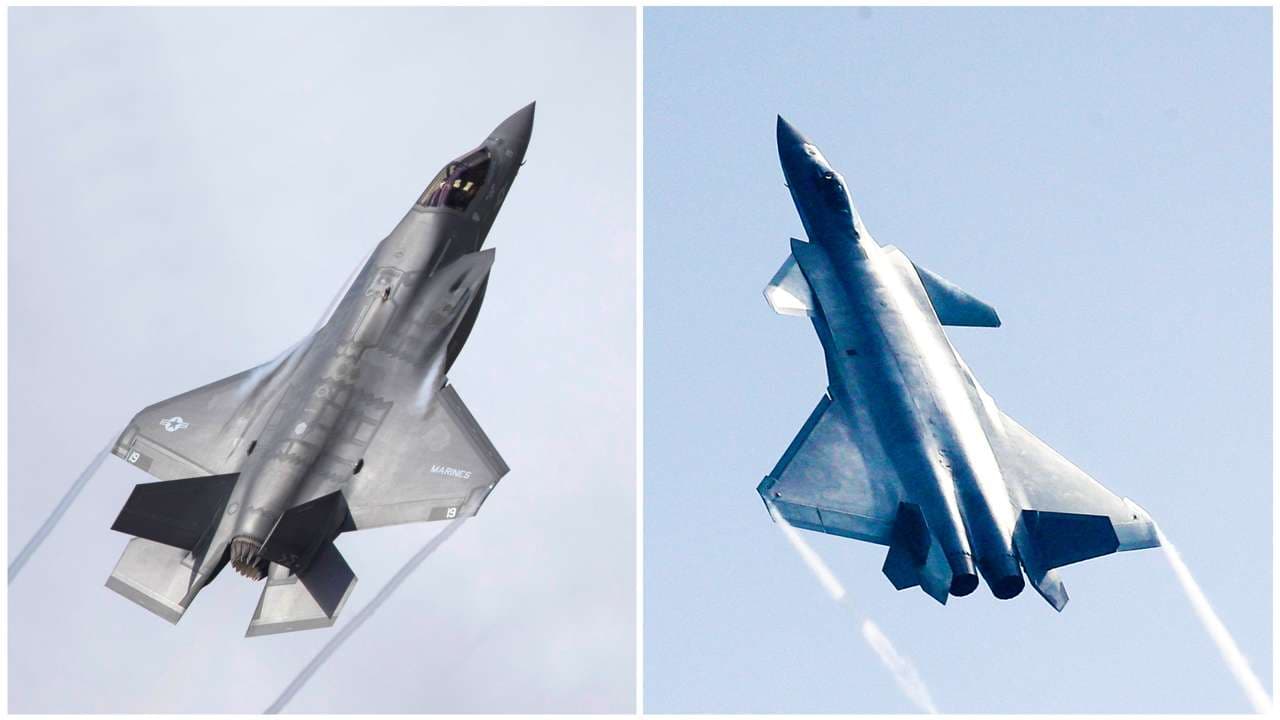
HAL Delivers Advanced Aircraft to IAF
National and International Importance17-Sep-2026

HAL Delivers Advanced Aircraft to IAF

Exam-Focused Notes

Key Facts and Data:

  • Date of Event: September 18, 2026
  • Location: Bengaluru, Karnataka
  • Participants:
    • Defense Minister: Rajnath Singh
    • Civil Aviation Minister: K. Ram Mohan Naidu
    • Chief of Air Staff: Air Chief Marshal A.P. Singh
    • Other senior officials from the Ministry of Defence, Ministry of Civil Aviation, HAL, and regulatory agencies.

Constitutional References:

  • Self-Reliance in Defence: The event aligns with the constitutional commitment to promote self-reliance and indigenous capabilities in defense and aerospace sectors, reflecting the Directive Principles of State Policy (DPSP) to promote self-sufficiency.

Government Schemes and Policies:

  • Atmanirbhar Bharat (Self-Reliant India): This initiative emphasizes the development of indigenous capabilities in various sectors, particularly in defense and aerospace.
  • Indigenous Design and Development: The government prioritizes the promotion of indigenous design, development, and manufacturing in the aerospace and defense sectors to reduce dependence on foreign sources.
India's Semiconductor Future Development
Science and Technology17-Sep-2026

India's Semiconductor Future Development

India Semiconductor Mission Overview

Government Initiatives:

  • Semicon 1.0 and 2.0:
    • Semicon 1.0: Launched in December 2021 with an allocation of ₹76,000 crore to establish a domestic semiconductor and display manufacturing ecosystem.
    • Semicon 2.0: Approved on July 15, 2026, with a budget of ₹1,27,500 crore, focusing on enhancing capabilities across six strategic pillars:
      1. Research and Development
      2. Chip Design
      3. Machinery & Materials
      4. Establishment of more fabs
      5. Talent Development
      6. Strengthening the ATMP/OSAT industry.

Economic Data:

  • Global Semiconductor Market Growth: Projected CAGR of 6.5% from 2014-2024, expected to rise to 8.5% over the next 5-10 years.
  • India's Semiconductor Demand: Estimated to reach $110 billion by FY2030 and exceed $200 billion by FY2035.
  • Import Expenditure: India spent approximately $150 billion on semiconductor imports from FY2017 to FY2025, with a CAGR of 23%. If trends continue, by FY2035, annual imports could reach $240 billion.
  • Isolated the bacterium responsible for whooping cough (Bordetella pertussis) in collaboration with Octave Gengou, improving disease diagnosis significantly.
  • Scientific Impact:

    • His work transformed microbiology from observational to experimental science through objective measurement of immune responses.
    • Reshaped the understanding of immunity as a multi-faceted process involving cellular and humoral interactions.

    Modern Relevance:

    • The complement system consists of over 30 proteins crucial for the innate immune response, involved in targeting pathogens and orchestrating inflammatory responses.
    • Bordet's discoveries underpin the scientific basis for current serological tests and vaccine design.
    • Recent research continues to explore complement system roles in diseases like age-related macular degeneration, lupus, kidney disorders, and neurodegenerative diseases.

    Legacy:

    • Bordet led the Pasteur Institute in Brussels, furthering his research until his death in 1961.
    • His contributions remain pivotal in immunology, influencing both diagnostic practices and therapeutic developments in contemporary medicine.

    Conclusion:

    • Jules Bordet's Nobel Prize-winning work established enduring principles in immunology, shaping the understanding of how the immune system defends against infections and impacting subsequent medical research and clinical practices.

    Defense Equipment Transferred:

    1. Light Combat Aircraft (LCA) Tejas:
      • Type: Twin-Seater Trainer
    2. HTT-40:
      • Type: Basic Trainer Aircraft
    3. Dhruv Next Generation (NG) Helicopter:
      • Transferred to Pawan Hans Limited (PHL)

    Economic Indicators:

    • Impact on Domestic Aerospace Ecosystem: The transfer of these aircraft is expected to strengthen the domestic aerospace ecosystem, enhancing industrial capabilities and promoting economic growth within the sector.

    International and National Importance:

    • Strengthening Defense Capabilities: The event marks a significant milestone in India's journey towards self-reliance in defense manufacturing, showcasing the country's growing capabilities in designing and producing advanced platforms for both civilian and military use.

    Science and Technology:

    • Advancements in Aerospace Technologies: The event is indicative of the advancements in aerospace technologies and reflects the increasing role of the industry in national defense.
    • Role of HAL: Hindustan Aeronautics Limited (HAL) plays a crucial role in the design, development, and production of defense and aerospace platforms, highlighting the importance of public sector undertakings in achieving self-reliance.

    Summary:

    The handover of the LCA Tejas twin-seater trainer, HTT-40 basic trainer aircraft, and Dhruv NG helicopter on September 18, 2026, in Bengaluru is a pivotal moment for India's defense sector, reinforcing the government’s commitment to self-reliance through indigenous manufacturing and development in aerospace. This initiative is part of the Atmanirbhar Bharat policy, aimed at reducing dependence on foreign technology and enhancing domestic capabilities. The event will be attended by key officials from various ministries and represents a significant step in India's defense manufacturing journey.

    Strategic Importance:

    • Semiconductors are critical for modern technologies including AI, telecommunications, electric mobility, defense, and advanced manufacturing.
    • They enable innovations in IoT, 5G/6G, data centers, and autonomous vehicles.
    • The geopolitical landscape has highlighted risks in supply chains, prompting major economies to bolster domestic semiconductor capabilities.

    Judicial and Legislative Framework:

    • The National Electronics Policy (NPE) 2019 and subsequent schemes (e.g., Production Linked Incentives (PLI)) promote electronics and semiconductor manufacturing.
    • Electronics Manufacturing Policy: Aims to create a robust ecosystem for manufacturing electronic components and semiconductors.

    International Collaborations:

    • India has engaged in semiconductor collaborations with the USA, Japan, EU, Singapore, and the Netherlands.
    • A joint declaration on semiconductor ecosystem partnership was signed with Germany during Chancellor's visit in January 2026.

    Technological Developments:

    • Semiconductor Laboratory (SCL), Mohali: Develops space-grade chips for satellites and space missions.
    • Chandrayaan-3: Featured an Indian-made camera chip for its imaging systems.

    Key Achievements under Semicon 1.0:

    • Approval for 12 semiconductor manufacturing units with a proposed investment of over ₹1.64 lakh crore.
    • Five units have commenced commercial production.
    • 24 chip design projects approved, valued at approximately ₹900 crore.
    • Over 500 organizations and 1 lakh engineers are now engaged in advanced chip design.

    Future Outlook:

    • The focus is on building a comprehensive semiconductor ecosystem from raw materials to finished chips.
    • Aiming for strategic autonomy and high-value employment opportunities within India.
    • Continuous policy support will be crucial for sustaining growth in the semiconductor sector.

    Constitutional References:

    • The initiatives align with the Directive Principles of State Policy (DPSPs) promoting economic development and self-sufficiency.

    Conclusion

    India's semiconductor mission is pivotal for technological self-reliance and economic growth, positioning the country as a global semiconductor hub by strengthening domestic capabilities and fostering international collaborations.