iAspirants
Current AffairsPrelims PYQsUPSC CSE SyllabusUPSC CSE StrategyBlogsPricing
Login
iAspirants
Current AffairsPrelims PYQsUPSC CSE SyllabusUPSC CSE StrategyBlogsPricingContact UsLoginSignUp
iAspirants

Your AI-powered companion for UPSC preparation.

Study Resources

  • Current Affairs
  • Prelims PYQs
  • UPSC CSE Syllabus
  • UPSC CSE Strategy
  • Blogs

Practice & Plans

  • Mains Answer Evaluation
  • Pricing
  • Sign Up
  • Login

Company

  • Home
  • About Us
  • Contact Us
  • FAQs

Legal

  • Privacy Policy
  • Terms & Conditions
  • Return Policy

© 2026 iAspirants, Inc. All rights reserved.

  1. Blogs
  2. Science and Technology

AI Proves 167-Year-Old Riemann Hypothesis

Published on: 21-Nov-2026

Source: Indian Express

Share this post

AI Proves 167-Year-Old Riemann Hypothesis

Article Summary

  • Riemann Hypothesis: Proposed by mathematician Bernhard Riemann in 1859, it addresses the distribution of prime numbers and the zeros of the Riemann zeta function. It states that all non-trivial zeros of the function have a real part of exactly 1/2.

  • Status: The Riemann Hypothesis is one of the seven Millennium Prize Problems recognized by the Clay Mathematics Institute, which offers $1 million for a correct solution. As of the latest reports, it remains unsolved.

  • Claim of Proof: Mathematician Levent Alpöge, working at AI company Anthropic, claims to have proven the Riemann Hypothesis using the AI model Claude. The claimed proof has yet to be independently verified and is available in a code format called Lean, used for formalizing mathematical arguments.

  • Collaborative Process: Alpöge indicated that the research collaboration involved guiding the research while the AI model contributed key mathematical ideas. A significant breakthrough was combining various approaches in number theory.

  • Technological Contributions:

    • Claude AI Model: Allegedly provided unexpected mathematical insights and approaches, allowing progress in a traditionally challenging area of mathematical theory. The AI substantially contributed towards the end of the proof development.
    • Stepanov’s Method: A technique previously used in mathematical settings which was adapted in this research.
  • Prior AI-assisted Progress: Earlier developments reported by Anthropic included an improvement in the lower bound of the proportion of zeros of the Riemann zeta function, from 41.6% to 67.2%, signifying progress in related but separate inquiries.

  • Mathematical Community Response: The mathematical community has recognized the ambitious nature of Alpöge's claim; however, the proof requires simplification and further explanation for peer verification.

  • Significance: A confirmed proof could lead to deeper insights into prime number distribution, a cornerstone of number theory, and has implications for areas such as cryptography and number theory research.

These developments underscore a significant intersection of mathematics and artificial intelligence, reflecting ongoing advancements in computational methods in resolving historical mathematical conjectures.

Key Terms & Concepts

Riemann HypothesisFamous unsolved mathematical problem
ClaudeAI model assisting proof
LeanProgramming language for proofs
Bernhard RiemannProposed the hypothesis in 1859
Clay Mathematics InstituteOffers $1 million prize
Stepanov’s methodTechnique used for approach
67.2%Improved lower bound for zeros
1947 Hopf problemRelated mathematical challenge

Mind Map for UPSC Civil Services Revision

Turn UPSC Civil Services Current Affairs Into Exam-Ready Notes

Reading Science and Technology current affairs is half the work. Revise them with ready-made notes and test what actually stuck.

  • Daily UPSC Civil Services current affairs analysis
  • Revision notes, mind maps & MCQs
  • Prelims mock tests with instant results

Related UPSC Civil Services Current Affairs Articles

Air Quality Management Plans for NCR
Environment and Ecology22-Nov-2026

Air Quality Management Plans for NCR

Commission for Air Quality Management (CAQM) - Action Plans for Air Pollution Control

  • Overview: The CAQM has mandated the preparation of comprehensive State Action Plans for 2027 to control air pollution in Delhi and the National Capital Region (NCR), including district-level action plans for the first time.

Practise Mains answer writingUpload a handwritten answer and get it evaluated
  • Objectives of Action Plans:

    • Ensure grassroots-level pollution control through District-Level Action Plans.
    • Facilitate effective monitoring, identification of implementation gaps, and timely corrective measures.
    • Establish clear accountability by naming officials responsible for prescribed targets.
  • Targeted Outcomes:

    • Achieve a reduction of 15%-20% in annual average air pollution levels (AQI, PM2.5, and PM10) compared to 2026 through targeted measures across major pollution sources.
  • Key Pollution Sources Identified:

    • Vehicular emissions
    • Road dust
    • Industrial emissions
    • Construction and demolition (C&D) activities
    • Municipal solid waste (MSW) management
    • Agricultural practices such as crop residue burning
    • Usage of diesel generator (DG) sets
    • Crematoria operations and other local pollution sources
  • Implementation Monitoring:

    • The ongoing 2026 annual action plan is being monitored. Previous reports indicate that only 40%-60% of the promised measures were completed by the states involved (Delhi, Uttar Pradesh, Haryana, Rajasthan, and Punjab).
  • Technology Integration:

    • A private company showcased drone technology for spraying water to mitigate air pollution, demonstrated to the Delhi government. This technology aims to provide immediate relief in open areas, with further assessments planned over a week.
  • Contextual Importance: This initiative aligns with the CAQM’s aim to shift towards structured, measurable frameworks for achieving lasting improvements in air quality across regions affected by pollution.

  • Conclusion: The systematic development of comprehensive State and District Action Plans is critical for addressing air quality issues effectively, emphasizing accountability and innovative technologies. This effort reflects both a growing recognition of environmental responsibilities and an actionable framework to meet air quality targets established by governance policies.

    India's Strategic Shift to Clean Energy
    Economic and Social Development21-Nov-2026

    India's Strategic Shift to Clean Energy

    Exam-Focused Notes on India’s Transition to Clean Energy and Strategic Autonomy

    Key Developments

    1. Export Ban on Lithium-Ion Battery Black Mass:

      • Effective November 10, India imposed a ban on exporting lithium-ion battery black mass, which contains vital minerals like lithium, cobalt, nickel, and manganese.
      • This move aims to prioritize domestic refining for clean energy technologies.
    2. Government Scheme for Domestic Processing:

      • The Union Cabinet approved a ₹2,814 crore scheme to set up four lithium and nickel processing plants in India.
      • Focus on developing indigenous capabilities for critical materials essential for the clean energy transition.

    Strategic Context

    1. China’s Dominance in Clean Energy:

      • China holds significant global shares:
        • 82% of solar-module manufacturing capacity.
        • 91% of solar cells.
        • 95% of wafers.
        • 80% of lithium-ion battery capacity.
        • Over 70% of cobalt and lithium processing.
      • Such proportions reflect China's state-driven industrial policy.
    2. Dependency Issues:

      • India’s green energy initiatives depend heavily on Chinese imports for solar cells, components, and critical minerals.
      • Production Linked Incentive (PLI) schemes exist but do not fully address the structural dependency.

    Future Directions

    1. Enhancing Domestic Capabilities:

      • Need for a proactive, state-backed industrial strategy to enhance domestic technological and manufacturing capabilities.
      • Focus on:
        • Upstream production and domestic value addition.
        • Investment in chemistry, metallurgy, and materials science.
    2. Partnerships for Mineral Access:

      • National Critical Mineral Mission (2025) and Khanij Bidesh India Limited (KABIL) aim to secure long-term partnerships and access to critical minerals.
      • KABIL is currently in exploration for lithium brine blocks in Argentina, emphasizing collaboration in mineral processing.
    3. Pursuing Technological Multi-Alignment:

      • A strategic push towards next-generation alternatives like sodium-ion batteries, green hydrogen, and solid-state batteries.
      • Importance of development translating research into production, necessitating:
        • Industry-academia partnerships.
        • Skilled manpower.
        • Predictable domestic demand through public procurement.
    4. Scale-Up of Recycling Initiatives:

      • Focus on recycling batteries, solar panels, and e-waste to recover critical minerals and enhance refining capacity.
    5. International Collaboration on Green Tech:

      • Building partnerships with advanced technological partners for research, manufacturing, and setting standards for green technologies.
      • Understanding the complexities of energy security to avoid heavy reliance on any single supply chain, particularly China.

    Strategic Autonomy

    • The overall goal is to loosen dependence on Chinese supply chains while enhancing India’s capacity in critical-mineral and clean-tech sectors.
    • A resilient cleantech ecosystem is vital for India, ensuring that sovereignty isn’t solely about military might but also economic independence in the clean energy sphere.

    Conclusion

    • India's transition to clean energy and strategic autonomy from fossil fuels necessitates a multi-faceted approach including domestic manufacturing capabilities, international partnerships, technological advancements, and enhanced recycling efforts. The emphasis on local production and innovation is crucial for securing India’s energy future and economic stability.
    Impact of AI Boom and Bust
    Economic and Social Development20-Nov-2026

    Impact of AI Boom and Bust

    Exam-Focused Notes on AI Boom and Bust

    Key Individuals and Companies:

    • Jensen Huang: CEO of Nvidia, pivotal in AI chip development.
    • Nvidia Valuation: Reached $5.7 trillion, surpassing India's GDP and stock market value.
    • Stock Value: Huang's shares valued at $75, with a notable personal leather jacket selling at $960,000.

    Industry Overview:

    • AI Business Model: Nvidia's growth shaped by the demand for AI chips, with significant financing for customers.
    • Impact of Leadership Change: Huang's exit raises concerns about the stability and future of the AI sector.

    Economic Indicators:

    • Potential Economic Loss: A collapse of the AI bubble could result in an estimated 8% loss of American household wealth.
    • Electricity Demand: Surge in demand due to data centers, necessitating new capacity investments.

    Policy Implications:

    • Regulatory Push: Voter sentiment has shifted towards regulating AI and pausing unchecked data center proliferation. Nine states threatened a pause on new data centers.
    • Legislative Response: Democrats controlling Congress are likely to focus on AI regulation, allowing time to establish regulations.

    Historical Context:

    • Previous AI Winters: Historical precedents of AI development include "winters" (1974-80 and 1987-93), which allowed regulatory and research focus shifts toward sustainable AI technologies.

    Technological Developments:

    • AI Infrastructure Utilization: Existing data centers could be adapted for various applications, including genomic sequencing and drug discovery.
    • Cost-Effective AI Solutions: Developing nations or enterprises demonstrated building capable AI models at lower costs without relying solely on advanced chips.

    Societal Adaptation:

    • Register of AI Risks & Remedies: A framework documenting 103 incidents related to AI risks, indicating pre-existing legal structures for mitigating harms.
    • Exploring Open-Source AI: A categorization of model sharing and open-source solutions may democratize AI accessibility and encourage broader adoption.

    Environmental Considerations:

    • Sustainable Practices: Excess energy produced by data centers could be repurposed to mitigate environmental impacts.

    Conclusion:

    The exit of a significant figure in the AI industry may symbolize the turning point towards a more regulated, environmentally sustainable, and resilient AI market. Previous technological upheavals illustrate the potential for societal adaptation through regulation and innovation despite short-term economic challenges.

    Quad Leaders' Summit Addresses China Concerns
    International Relations20-Nov-2026

    Quad Leaders' Summit Addresses China Concerns

    Quad Leaders' Summit Overview

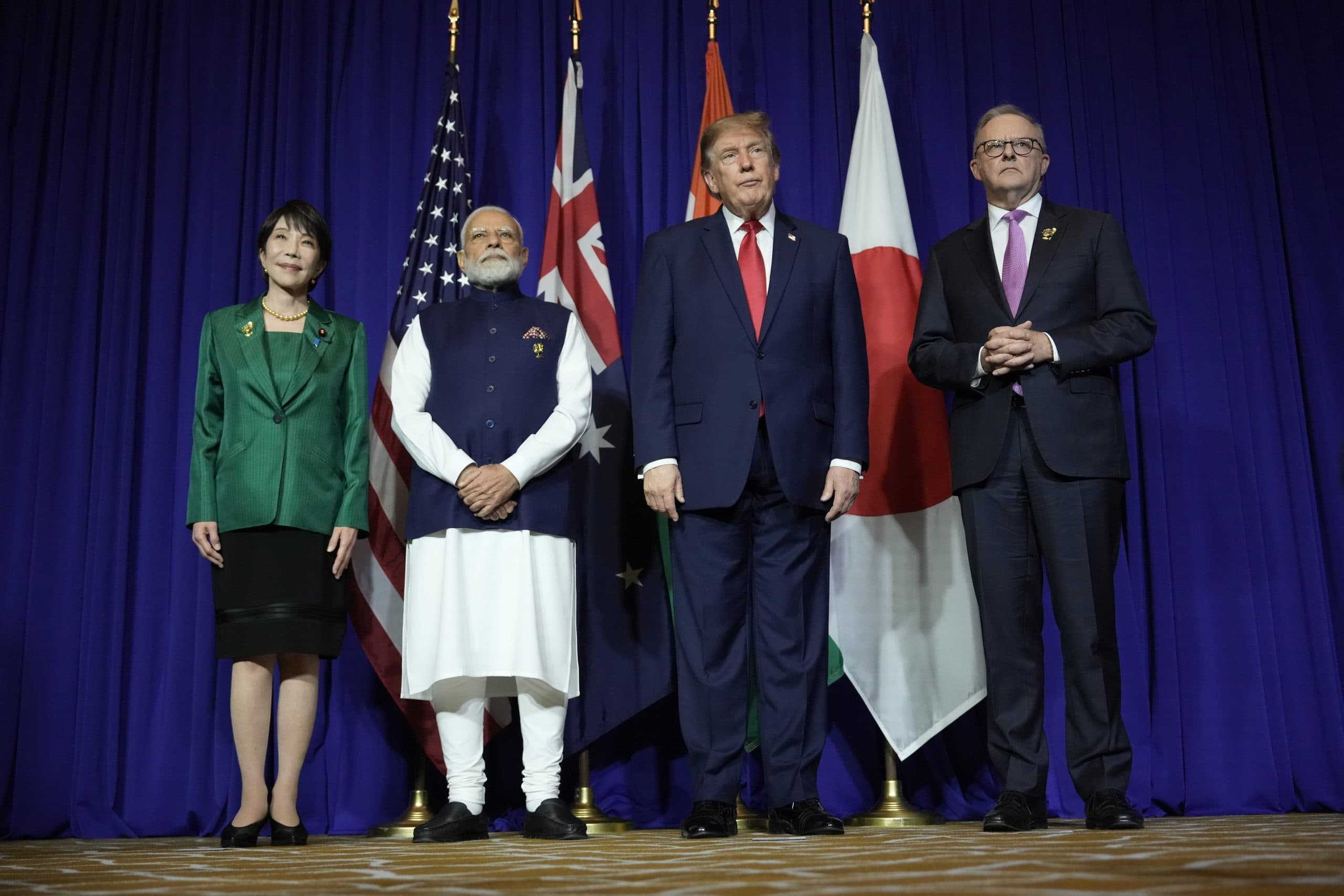
    • Participants: Heads of government from India, the US, Japan, and Australia.
    • Location: Manila, Philippines.
    • Context: First summit in over two years; addresses geopolitical dynamics concerning China.

    Key Points from Joint Statement:

    • Concerns: Economic coercion, freedom of navigation, and overflight in Asia.
    • Commitments:
      • Securing critical supply chains.
      • Maritime collaboration initiatives.
      • Focus on critical minerals and artificial intelligence.

    Significant Initiatives:

    • Quad Ports of the Future Partnership: Fiji port project unveiled in New Delhi in May.
    • US Commitment: Supporting facilities in India and ASEAN for recovering critical minerals.

    Future Defense Collaborations:

    Voyager's Journey Through Space
    Science and Technology20-Nov-2026

    Voyager's Journey Through Space

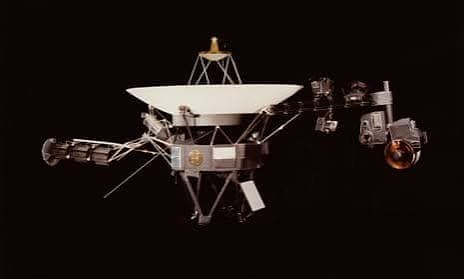
    Voyager Missions Overview:

    1. Mission Background:

      • Launched: Voyager 1 (September 1977), Voyager 2 (September 1977).
      • Purpose: To explore the outer planets (Jupiter, Saturn, Uranus, Neptune) and collect data on space.
    2. Distance Travelled:

      • Voyager 1: Approximately 26 billion km from Earth, equivalent to one light-day (signal takes 24 hours to reach).
    3. Key Discoveries:

      • Jupiter's Moon Io: First evidence of volcanic activity beyond Earth.
      • Europa: Icy surface suggests the potential existence of an underlying ocean.
      • Saturn's Rings: Revealed previously unseen structures.
      • Voyager 1 crossed the heliopause in 2012, entering interstellar space.
    4. Significant Imagery:

      • In 1990, Voyager 1 captured a series of images of the solar system, known as the “Pale Blue Dot” image of Earth, highlighting its fragility.
    • A joint exercise involving patrol aircraft planned for 2027.

    Structural Insights:

    • The Quad is not a NATO-like alliance, allowing India to maintain strategic autonomy while fostering cooperation.
    • The flexible structure serves to address varying national interests without the necessity of a formal mutual defense treaty.

    US Involvement & Reliability:

    • Involvement persists across different US administrations; actions counter skepticism regarding reliability.
    • Secretary of State Marco Rubio’s visit in May aimed to rejuvenate the Quad cooperation, reaffirmed in Manila.

    Economic Implications:

    • The Quad is tasked with providing infrastructure and supply-chain diversification in the face of China's economic dominance.
    • Observers suggest the initiative towards projects may be modest but aim for long-term regional stability.

    Strategic Importance:

    • The Quad aims to transform coordination into tangible outcomes to reinforce the economic and security architecture of the Indo-Pacific region.
    • Points to a shifting geopolitical landscape as China engages in destabilizing behaviors in the South and East China Seas.

    Conclusion:

    • The primary objective for the Quad is to enhance collective capabilities in a visible and operational manner while strengthening US-India relations through strategic cooperation.
  • Technological Contributions:

    • Improved weather forecasting and navigation systems.
    • Aided in asteroid hazard detection.
  • Scientific Impact:

    • Voyagers have raised questions for ongoing scientific inquiry regarding the solar system and interstellar space.
  • Cultural Reference:

    • The song "Jaat Kahan Ho," illustrated Voyager’s journey, resonating as a metaphorical inquiry in the context of human progress and environmental issues.
  • Relation to Climate Action:

    • Ongoing discussions at COP31 highlight the urgency of addressing global warming amid geopolitical uncertainties.
  • Note: The Voyager missions exemplify the intersection of science, technology, and environmental consciousness, serving as a critical reminder of Earth’s place in the universe.