iAspirants
AI Revolution in Agriculture for Women
Published on:
Share this post
Article Summary
Maharashtra’s AI Strategy for Agriculture: Key Highlights
AI Initiatives and Partnerships:
- Maharashtra has initiated a dedicated AI strategy focused on agriculture.
- Public-private partnerships are piloting AI-driven solutions, including:
- Crop advisories.
- Pest diagnostics.
- Climate-risk prediction models.
Role of Women in Agriculture:
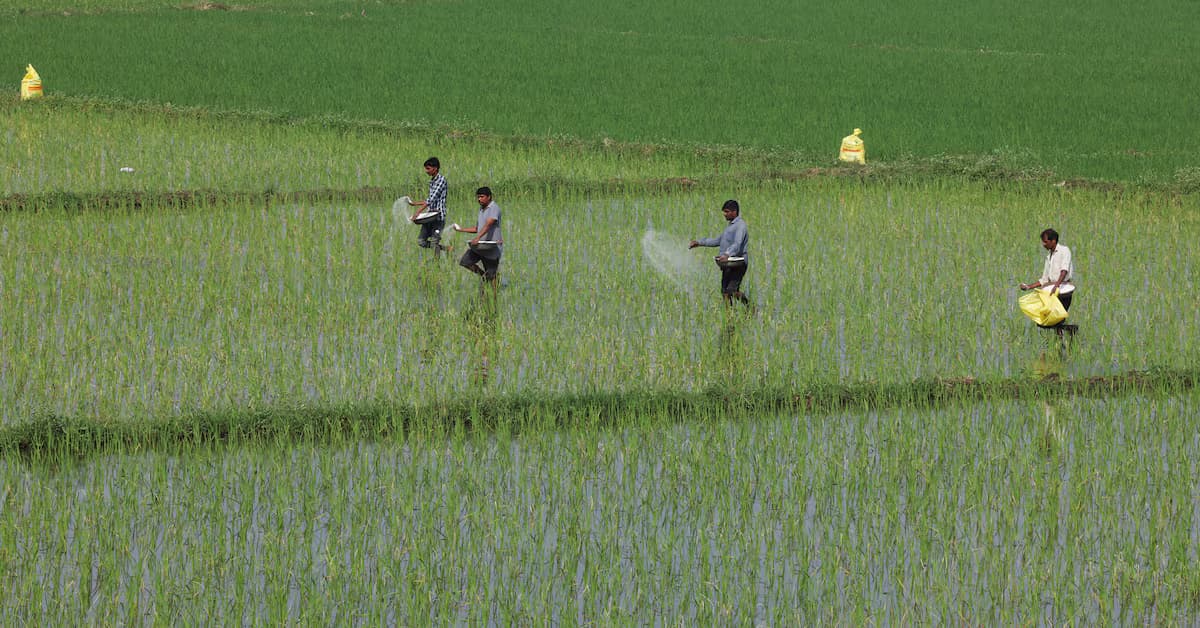
- Women comprise approximately 43% of India’s agricultural labor force.
- They contribute nearly 50% of crop production and over 70% of livestock-related activities.
- Agriculture remains the primary employer of women, representing 55-60% of female rural employment.
- Ownership of operational landholdings by women is only about 13-14%.
- Accessibility to institutional credit for women is notably low.
- Digital access is a challenge; women are 15-20% less likely to own smartphones and use mobile internet compared to men.
Economic Implications:
- The Indian dairy sector, valued at over $150 billion, significantly relies on women's labor.
- A 5-7% productivity increase through AI could improve incomes for women-led households and enhance food security.
AI in Agriculture:
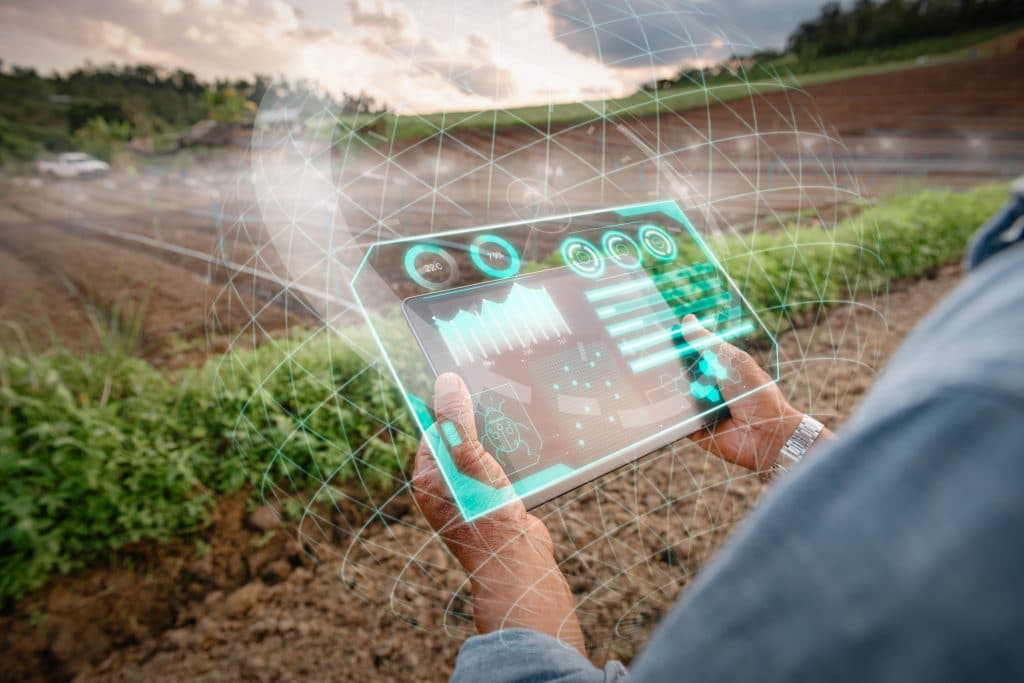
- AI technologies include:
- Satellite-based remote sensing for assessing crop health.
- Machine-learning models for forecasting yields using IMD weather data, soil health cards, and cropping histories.
- AI platforms for pest surveillance leading to reduced pesticide usage.
- Voice-enabled chatbots delivering real-time advisories in local languages.
- AI addresses issues like knowledge management asymmetry, input inefficiencies, and climate variability.
- AI technologies include:
Challenges & Recommendations:
- Current data digitization largely focuses on major cereal crops (wheat and rice), predominantly male-oriented.
- Diverse crops (millets, pulses, horticulture) where women are more involved are underrepresented.
- This data imbalance can lead to biased AI algorithms, favoring male-centric agricultural practices.
- Recommendations to rectify this include:
- Digitizing diversified commodities.
- Integrating data from Farmer Producer Organizations (FPOs).
- Involving women’s self-help groups as data partners.
Economic Impact Projections:
- Agriculture contributes about 15-18% to India's GDP yet employs over 40% of the workforce.
- AI optimization can yield 5-10% productivity gains, significantly boosting rural incomes.
- Systematic inclusion of women in AI strategies could enhance household nutrition, education, and local enterprises.
International Considerations:
- Recognizing the International Year of the Woman Farmer, there’s a push for an inclusive agricultural transformation, leveraging AI for productivity and equity.
Climate Resilience:
- The increasing frequency of extreme weather events necessitates AI-based early warning systems and adaptive cropping advisories to mitigate yield losses.
Future Directions:
- Implement gender-smart designs in technological frameworks.
- Address data asymmetries and improve digital access for women.
- Ensure that advancements in agriculture technology contribute to equitable growth.
This comprehensive approach underscores the necessity of including women's contributions in agricultural policies and leveraging technology for more equitable agricultural practices.
Key Terms & Concepts
| AI strategy for agriculture | Key initiative for modernization |
| 43 percent | Percentage of women in labor |
| 55-60 percent | Female employment in agriculture |
| 13-14 percent | Land ownership by women |
| 150 billion USD | Value of dairy sector |
| 5-10 percent | Potential productivity gain |
| AI-enabled pest surveillance | Technology reducing pesticide use |
| remote sensing | Detecting crop and pest issues |
| machine-learning models | Improving yield forecasts |
| International Year of the Woman Farmer | Global awareness initiative |
| FPO-level data | Data collection strategy |
| knowledge management asymmetry | Identified systemic issue |