iAspirants
AI Technology Gaps and Challenges
Published on:
Share this post

Article Summary
Summary Notes on AI Proliferation and Global Inequities
1. Global Divide in AI Development:
- The UN's Preliminary Report emphasizes a stark divide between the Global North and Global South regarding benefits derived from AI technologies.
- Advanced AI models concentrated in the Global North are shaping the AI landscape, putting the Global South at a disadvantage.
2. Challenges for Emerging Countries:
- Poorer nations struggle to regulate sophisticated AI models due to insufficient AI ecosystem development.
- Emerging countries face a choice: invest heavily to compete or acquiesce to the decisions made by a small number of dominant AI firms.
3. Requirements for AI Leadership:
- A country’s influence in the AI domain is linked to factors like:
- Abundant electricity supply.
- Presence of well-capitalized firms.
- Ability to attract and retain high-value talent with competitive salaries.
- Proactive policy-making to boost technological advancement.
4. Risks Associated with AI Development:
- The rapid advancement of AI parallels, but outpaces, the responsible evolution of social media:
- AI's transformation in scientific research presents both opportunities and threats.
- Previous failures in managing social media's societal impact highlight the urgency for proactive regulation of AI.
5. Negative Impacts of AI:
- Irresponsible AI practices have led to:
- Harmful psychological impacts on users, particularly teens, through manipulation and addiction.
- Deterioration of trust in media due to the rise of deepfake technologies.
- Potential catastrophic economic consequences tied to the intertwining of AI with global financial systems.
6. Government Accountability and Responsibility:
- Governments are tasked with holding AI firms accountable, especially in the context of inequities affecting the Global South.
- Taking a passive approach can lead to greater long-term costs and additional harm.
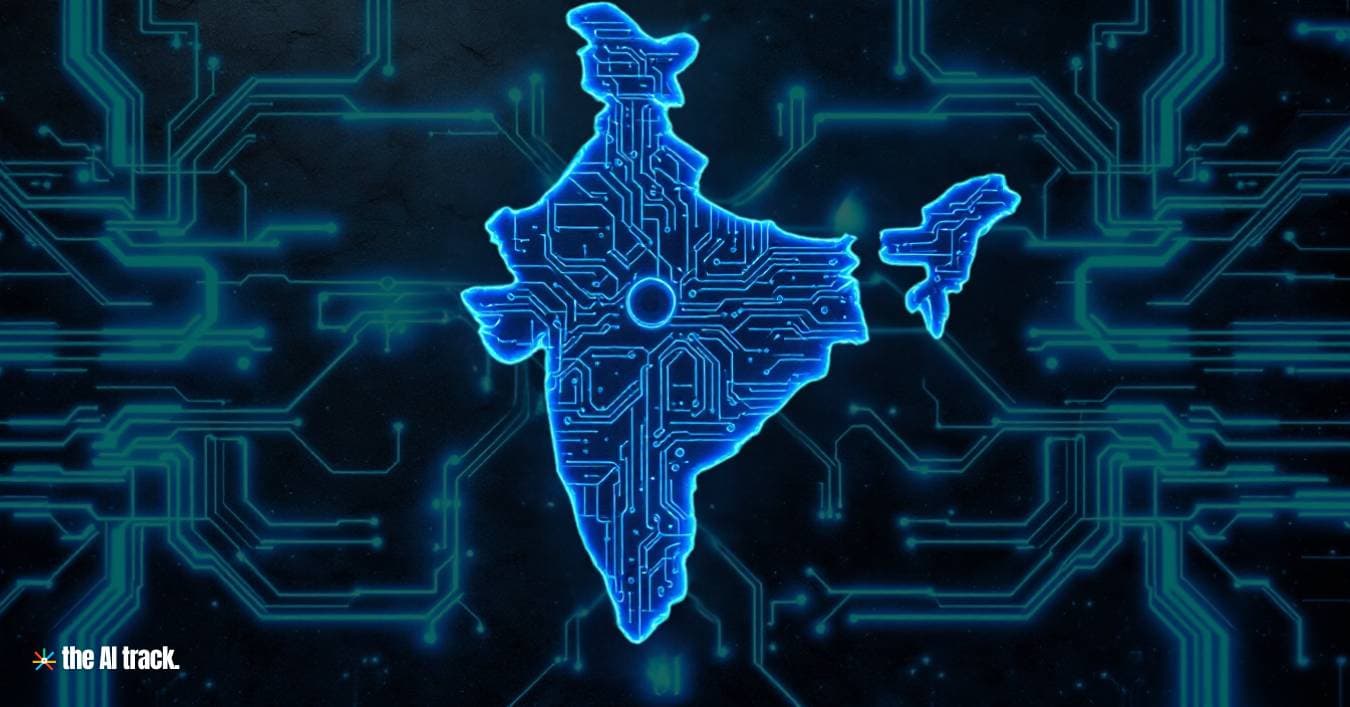
7. Case Study: India’s AI Scenario:
- India has faced significant setbacks related to its stance on technology development:
- Loss of access to advanced AI systems (like Anthropic's resources) due to geopolitical decisions, leaving domestic firms vulnerable to cyberattacks and dependency on foreign technology.
8. Strategic Considerations for AI:
- AI's role is critiqued as an emerging geostrategic asset requiring careful management.
- Calls for urgent actions to mitigate the potential for wide-ranging damage that unchecked AI development may bring.
Conclusion:
The procedural and strategic recommendations presented underscore the necessity for a coordinated global response to the unequal distribution of AI capabilities and the associated risks. Emphasis on regulatory frameworks and international dialogues is crucial to harness the benefits of AI while safeguarding societal interests, particularly for vulnerable nations.
Key Terms & Concepts
| UN Preliminary Report | Assessment of AI global divide |
| Global South-Global North divide | Economic disparity in AI access |
| Artificial General Intelligence | Potential AI capabilities |
| AI firms | Actors in AI development |
| Anthropic’s Mythos and Fable | Innovative AI models |
| U.S. technology access policies | Influence on global AI access |
| Deepfakes | Threat to information trust |
| Cyber systems | Infrastructure at risk |
| Economic consequences | Potential impacts of AI misuse |
| Electricity production | Essential for AI development |