iAspirants
Air Quality Crisis and Children's Health
Published on:
Share this post
Article Summary
Exam-Focused Notes on Air Quality and Children's Health in India
International Agreements
- United Nations Convention on the Rights of the Child (UNCRC):
- Effective since 1989.
- Provides a framework for the protection and support of children's rights.
- India is a signatory along with 195 other UN member states.
Constitutional and Legal Context
- Children's Rights:
- Enshrined in various legal provisions and schemes in India.
- However, systemic adult negligence is contributing to poor health outcomes for children.
Government Schemes & Policies
- Graded Response Action Plan (GRAP):
- Issued by the Commission for Air Quality Management for Delhi.
- Aims to manage air quality through specific advisories, particularly during pollution peaks.
Environmental and Health Statistics
Current AQI Levels:
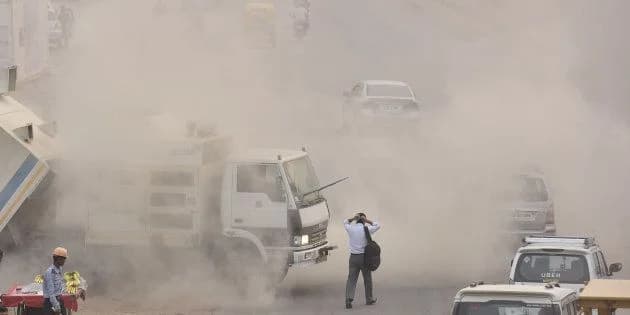
- Delhi-NCR experiences "very poor" to "severe" air quality, especially in winter.
- Continuous decline of air quality is reported across India.
Impact on Children:
- Exposure to air pollution leads to the death of 1 in 10 children globally.
- In India, 700,000 children died in 2021 due to poor air quality.
Types of Pollutants:
- PM2.5 and PM10 are significant contributors to health issues.
- Nitrogen oxides and vehicular emissions have been highlighted as major factors in deteriorating air quality.
Health Implications
Respiratory Issues:
- Pollution linked to conditions such as pneumonia, asthma, heart infection, and impaired lung growth.
Cognitive Development:
- Long-term exposure to air pollution is associated with impaired cognitive abilities in children.
Medical Recommendations:
- Doctors are now recommending drastic measures such as relocation ("leave the city") or using air purifiers to mitigate the effects of air pollution.
Judicial and Public Response
- Ongoing citizens' protests and judicial interventions have had minimal impact, leading primarily to temporary solutions rather than meaningful actions to address the problem.
Economic and Social Context
- Consumerism and Urbanization:
- An adult-centric view of prosperity, characterized by high consumption and urban development, is exacerbating environmental conditions.
- Growing automobile sales and construction activities are notable contributors to increased pollution.
Conclusion
- There is an urgent need to reconcile the ambitions of adult society with the rights and health of children. A collective shift in perspectives on prosperity and environmental responsibility is crucial for safeguarding the well-being of future generations.
Key Terms & Concepts
| Air Quality Index (AQI) | Measures air pollution levels |
| United Nations Convention on the Rights of the Child (UNCRC) | Protects children's rights |
| Graded Response Action Plan (GRAP) | Manages air quality in Delhi |
| World Health Organisation (WHO) | Reports on air pollution impact |
| Health Effects Institute | Conducts studies on health impacts |
| 2021 | Year of reported child deaths |
| seven lakh | Number of child deaths reported |
| PM 2.5 and PM 10 | Types of particulate pollution |
| Nitrogen oxide | Contributes to air pollution |
| Delhi and Lahore | Cities affected by pollution |