iAspirants
AI's Impact on Healthcare Transformation
Published on:
Share this post
Article Summary
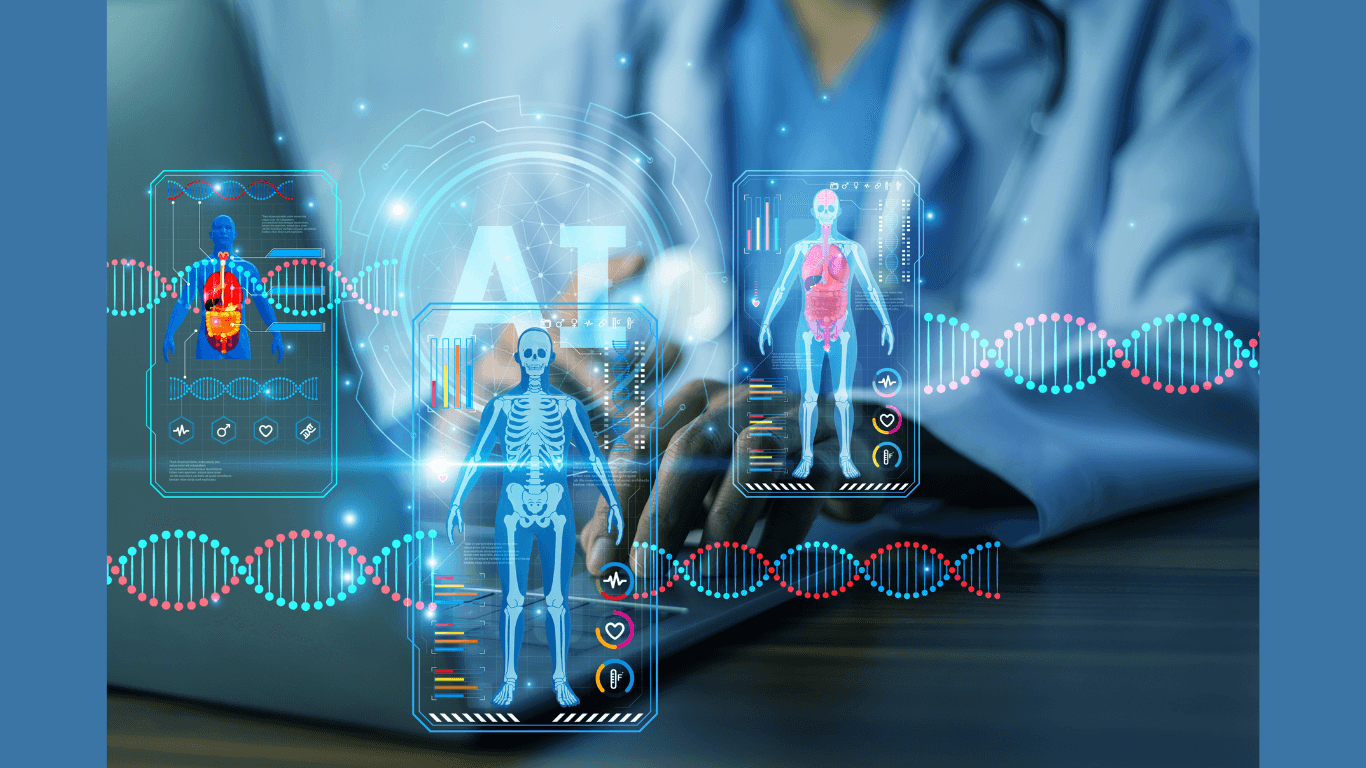
Artificial Intelligence in Healthcare
- AI is poised to enhance accessibility, affordability, and efficiency within the healthcare sector. It can significantly transform medical research and patient care.
- AI should be seen as a tool to augment healthcare professionals rather than a replacement. Its role is crucial in improving diagnostics, treatments, education, and overall patient care.
Impact on Drug Discovery and Patient Monitoring
- AI is revolutionizing various medical fields, including:
- Drug discovery: Reduces the timeline from decades to a few years.
- Radiology, telemedicine, precision medicine, predictive medicine, genomics, cancer detection, dermatology, and remote patient monitoring.
- AI initiatives such as a medical information robotic assistant and iSAVE, a system for continuous monitoring of critical patient parameters, exemplify its application in real-world settings.
- AI is revolutionizing various medical fields, including:
Addressing Public Health Issues
- AI can tackle issues like fatty liver disease by enabling cost-effective screening through direct measurement of simple clinical parameters instead of relying on costly diagnostic tests.
Judicial and Regulatory Perspective
- The remarks underline the importance of responsible AI usage in healthcare, although no specific constitutional articles or regulations were cited directly in relation to AI in healthcare.
Challenges and Educational Implications
- Despite the promising prospects, there is a slow adoption of AI tools among healthcare professionals.
- The need for education on AI utilization is emphasized, highlighting that doctors proficient in AI will excel, while those who do not adapt may be left behind.
Future Outlook
- The next decade is expected to bring significant advancements in pharmaceutical research due to AI.
- While AI's role in education is acknowledged, it also poses challenges regarding its integration into traditional teaching and learning methods.
Economic and Technological Relevance
- Investment in AI technologies can potentially lower healthcare costs and improve the effectiveness of treatments, thereby impacting overall economic indicators related to health expenditures and outcomes.
Call for Responsible Innovation
- There is a cautionary note on the responsible use of AI, given its current nascent stage and the need to balance its potential with understanding its limitations.
The discussion highlighted the transformative potential of AI in healthcare, addressing both its applications and the necessary preparations required to leverage its full capabilities responsibly and effectively.
Key Terms & Concepts
| Artificial Intelligence | Tool for enhancing healthcare |
| D. Nageshwar Reddy | Gastroenterologist and speaker |
| ICFAI Foundation for Higher Education | Organizing institution for lecture |
| Asian Institute of Gastroenterology | Chairmanship in gastroenterology |
| iSAVE | Early warning patient monitoring system |
| Drug Discovery Process | AI reduces timeframes |
| Fatty Liver Disease | Healthcare issue addressed by AI |