iAspirants
Current AffairsPrelims PYQsUPSC CSE SyllabusUPSC CSE StrategyBlogsPricing
Login
iAspirants
Current AffairsPrelims PYQsUPSC CSE SyllabusUPSC CSE StrategyBlogsPricingContact UsLoginSignUp
iAspirants

Your AI-powered companion for UPSC preparation.

Study Resources

  • Current Affairs
  • Prelims PYQs
  • UPSC CSE Syllabus
  • UPSC CSE Strategy
  • Blogs

Practice & Plans

  • Mains Answer Evaluation
  • Pricing
  • Sign Up
  • Login

Company

  • Home
  • About Us
  • Contact Us
  • FAQs

Legal

  • Privacy Policy
  • Terms & Conditions
  • Return Policy

© 2026 iAspirants, Inc. All rights reserved.

  1. Blogs
  2. Health

Alcohol Consumption Risk and Cancer Study

Published on: 27-Dec-2025

Source: The Hindu

Share this post

Alcohol Consumption Risk and Cancer Study

Article Summary

Summary of Key Findings on Alcohol Consumption and Buccal Mucosa Cancer:

Study Overview:

  • Conducted across six cancer centers in India from 2010 to 2021.
  • Sample size: 1,803 men diagnosed with buccal mucosa cancer and 1,903 cancer-free controls.
  • Published in BMJ Global Health.

Key Findings:

  • Increased Risk: Alcohol consumption correlates with a significantly higher risk of buccal mucosa cancer (BMC). Men who consumed alcohol had a 68% higher risk compared to non-drinkers.
  • Safe Threshold: Consumption below nine grams per day (less than one standard drink) is also linked to increased risk, indicating no safe consumption threshold.

Alcohol Types and Risks:

  • Locally Brewed Alcohols:
    • Tharra and desi daru showed the highest risk, with ever-users nearly doubling their chances of developing BMC.
  • Internationally Recognized Liquors:
    • Beer and whisky also associated with increased risk, even at lower intake levels.

Impact of Tobacco:

  • Strong interaction observed between alcohol and tobacco use:
    • Men who consumed both alcohol and smokeless tobacco (e.g., chewing tobacco) faced significantly higher risks.
    • Over 60% of BMC cases may be attributed to the combined use of alcohol and chewing tobacco.

Statistical Data:

  • Alcohol consumption is estimated to account for 11.3% of BMC cases in India, with significant variation across different states.
  • Poor prognosis: BMC has a five-year survival rate of about 43%.

Demographics:

  • Notably, a significant number of cases were found in men under 45 years, highlighting concerns regarding early exposure to alcohol and tobacco.

Recommendations:

  • Call for integrated prevention strategies addressing both alcohol and tobacco use.
  • Suggestion for stronger regulation of locally brewed liquors, which often lack formal licensing and quality control.

Conclusion: The study challenges the perception of the safety of low to moderate alcohol consumption and indicates a pressing need for public health interventions targeting alcohol and tobacco together to mitigate cancer risks.

Key Terms & Concepts

Buccal mucosa cancer (BMC)Common oral cancer type
BMJ Global HealthStudy publication source
1,803 menCancer patients sampled
1,903 cancer-free controlsControl group sampled
2010-2021Study recruitment period
68%Increased cancer risk with alcohol
9 grams per dayLower risk threshold identified
Country liquorHigh-risk beverage
11.3%Alcohol-attributed cancer cases
43%Five-year survival rate
Men under 45 yearsSub-group with early exposure
Integrated prevention strategiesRecommended health approach

Mind Map for UPSC Civil Services Revision

Turn UPSC Civil Services Current Affairs Into Exam-Ready Notes

Reading Health current affairs is half the work. Revise them with ready-made notes and test what actually stuck.

  • Daily UPSC Civil Services current affairs analysis
  • Revision notes, mind maps & MCQs
  • Prelims mock tests with instant results

Related UPSC Civil Services Current Affairs Articles

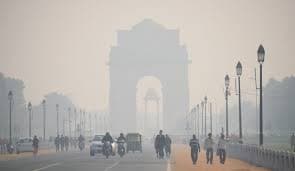
Delhi Air Quality Deteriorates, New Actions
Environment and Ecology04-Nov-2026

Delhi Air Quality Deteriorates, New Actions

Summary of Key Points on Delhi's Air Quality Management

Air Quality Index (AQI) and Graded Response Action Plan (GRAP)

  • Current AQI Status: Delhi's AQI reached 324 on November 2, 2026, categorizing it as "Very Poor". This is an increase from 117 (Moderate) on October 31, and on November 1.
Practise Mains answer writingUpload a handwritten answer and get it evaluated
261 (Poor)
  • GRAP Stages:
    • Stage 1 (GRAP-1): AQI 201-300
    • Stage 2 (GRAP-2): AQI 301-400 (currently invoked)
    • Stage 3 (GRAP-3): AQI 401-500
    • Stage 4 (GRAP-4): AQI >450
  • Measures Under Stage 2 of GRAP

    • Enhanced Measures: Focus on dust pollution control and promotion of public transport.
      • Regular mechanical road cleaning.
      • Water sprinkling and usage of anti-smog guns.
      • Increase in parking fees to discourage private vehicle use.

    Vehicle Regulations

    1. Permitted Vehicles:

      • Delhi-registered petrol and diesel vehicles meeting BS-IV standards and above, with a valid Pollution Under Control (PUC) certificate.
      • Electric vehicles (EVs) and CNG-powered vehicles.
      • Buses with CNG, electric or BS-VI diesel engines.
      • Light, Medium, and Heavy Commercial Vehicles (LCVs/MCVs/HCVs) adhering to BS-VI norms, CNG, or electric.
    2. Restricted Vehicles:

      • Petrol/diesel vehicles of BS-III standards and below (Delhi-registered).
      • Out-of-state petrol and diesel vehicles below BS-IV.
      • Older buses and commercial vehicles below BS-IV.
      • Heavy trucks not destined for Delhi are diverted to expressways.
      • Vehicles without a valid PUC certificate.
      • Prohibition on open burning of waste.

    Public Transport Initiatives

    • The Delhi Metro Rail Corporation (DMRC) will increase the number of trips on weekdays to encourage the use of public transport in lieu of private vehicles.

    Government Actions

    • National Capital Region (NCR) Coordination: NCR State governments are instructed to:
      • Increase vehicle parking fees.
      • Stagger public office timings in Delhi and nearby NCR districts (Gurugram, Faridabad, Ghaziabad, Gautam Buddha Nagar).

    Recent Changes and Expansions

    • In September 2026, CAQM expanded GRAP measures to include Sonipat, Haryana, concerning the restrictions on BS-III petrol and BS-IV diesel vehicles—broadening the impact of the existing measures from just specific districts to a larger area.

    Key Reminders

    • Ensure vehicles have an up-to-date PUC certificate.
    • Consider switching to public transport or carpooling to mitigate pollution.

    Conclusion

    With the invocation of Stage 2 of the GRAP due to deteriorating air quality, various measures are being enforced to control pollution and promote public transport. Emphasis is placed on stringent vehicle regulations and increasing public transport capacity to mitigate health hazards associated with poor air quality in Delhi.

    AI Enhances Infostealer Malware Threats
    Science and Technology03-Nov-2026

    AI Enhances Infostealer Malware Threats

    Cybersecurity Threat: AI-Enhanced Infostealer Malware

    Overview: Researchers at Cisco's Talos threat intelligence unit have identified a new strain of infostealer malware called “Volta-Autodoxer” that leverages artificial intelligence (AI) to enhance its capabilities in targeting and extracting information from victims. This malware represents a significant evolution in cyber threats as it automates the process of profiling victims to determine high-value targets.

    Key Features of Volta-Autodoxer:

    • Automation: The malware automates traditionally manual tasks, significantly compressing the timeline of cyber-attacks.
    • Target Profiles: Targets younger internet users with active online lifestyles.
    • Data Collection: Gathers a comprehensive array of sensitive information including:
      • Usernames and passwords from browsers.
      • Microsoft OAuth tokens.
      • Cookies and payment card information.
      • Crypto wallet seed phrases.
    • Social Media Targeting: Specifically designed to extract information from platforms like Discord, Telegram, Steam, and Roblox.

    Operational Methodology:

    • The malware first collects data from a variety of applications including email and food delivery services. The analysis is then performed using AI models like Anthropic’s Claude Opus, Google's Gemini, or open-source alternatives.
    • It creates structured reports on victims, including their worth and operational security considerations.

    Security Implications:

    • Increased Risk: Malicious actors with lower technical skills can now execute sophisticated attacks previously reserved for more advanced hackers, suggesting a democratization of cyber threats.
    • Data Breaches: Infostealers have been linked to several major data breaches in the past, compounding the urgency around cybersecurity measures.

    Judicial and Regulatory Context:

    • Cybersecurity Laws and Regulations: The rise of sophisticated malware like Volta-Autodoxer underscores the ongoing need for robust cybersecurity legislation and international cooperation in combating cyber threats. References may include laws related to cybercrime and data protection standards.

    International Cybersecurity Trends:

    • Cybersecurity experts, including those from Crowdstrike, have noted an increase in hacking groups utilizing AI tools to breach networks across various sectors, including governmental and healthcare entities.

    Science and Technology Implications:

    • The integration of AI into malware signifies a trend where machines are not only enhancing productivity but are also being misused for malicious purposes. This calls for a re-evaluation of cybersecurity frameworks and technologies designed to mitigate AI-related threats.

    Economic Indicators:

    • The increasing prevalence of AI in cybercrime may necessitate greater investment in cybersecurity solutions, impacting industry growth figures and potentially influencing stock markets related to cybersecurity firms.

    Conclusion:

    The emergence of AI-enhanced malware like Volta-Autodoxer highlights a critical intersection of technology, cybersecurity, and policy. Enhanced awareness, regulation, and rapid advances in cybersecurity tools will be essential to mitigate these evolving threats.

    Delhi's Winter Pollution Control Measures
    Environment and Ecology01-Nov-2026

    Delhi's Winter Pollution Control Measures

    Delhi Government's Winter Air Pollution Control Measures

    Key Facts and Figures:

    • Implementation Date: Measures to commence from November 1, 2026.
    • Duration: Restrictions effective until January 31, 2027; parking charges doubled until February 28, 2027.

    Government Measures:

    1. Ban on Construction and Demolition:

      • A fixed ban on dust-generating demolition and outdoor construction activities.
      • Essential public infrastructure projects are exempt from this ban.
      • Construction activities such as plumbing and electrical work are allowed with adherence to Construction & Demolition Waste Management Rules.
    2. Vehicle Regulations:

      • Ban on non-Delhi registered vehicles below BS-VI emission norms.
      • Vehicles without a valid Pollution Under Control Certificate (PUCC) will not receive fuel.
      • Exemptions include electric vehicles, CNG vehicles, emergency vehicles, and sovereign duty vehicles.
    3. Work-from-Home Mandate:

      • Mandatory work-from-home for 50% of staff in Delhi government and private offices.
    4. Parking Charges:

      • Doubling of parking charges at authorized sites to deter private vehicle usage.
    5. Office Timings Adjustment:

      • Delhi government offices will operate from 10:00 AM to 6:30 PM.
      • Municipal Corporation of Delhi (MCD) offices will function from 8:30 AM to 5:00 PM.
    6. Enforcement Mechanisms:

      • Special enforcement teams to be deployed.
      • Continuous monitoring through ANPR cameras and the AI-enabled Integrated Command and Control Centre (ICCC).

    Legislative and Regulatory Framework:

    • Graded Response Action Plan (GRAP):
      • This plan involves short-term measures to combat air pollution based on real-time air quality data.
      • Unlike GRAP's immediate measures, these rules are fixed-term and will remain until the specified dates irrespective of air quality conditions.
    • Gazette Notification: Issued on June 23, detailing these restrictions.

    Constitutional References:

    • While not explicitly mentioned in the article, initiatives targeting air quality relate to the Right to Life (Article 21) within the Indian Constitution, emphasizing the right to a healthy environment.

    Expected Impact:

    • Aimed at mitigating severe air pollution during the winter months, which traditionally see high smog levels in Delhi.
    • Focuses on reducing vehicular emissions and controlling dust pollution from construction activities.

    Monitoring and Compliance:

    • Environment Minister has indicated collaboration with neighboring states to ensure compliance, particularly concerning the entry of non-BS-VI vehicles into Delhi.
    • Encouragement for voluntary compliance before the enforcement period of restrictions, especially around festivals like Deepavali.

    This summary collates essential aspects of the Delhi government's air pollution control strategy for winter 2026-27, highlighting the anticipated actions, enforcement mechanisms, and the broader context of environmental regulatory policies in India.

    GST Council Implements Trade Facilitation Measures
    Economic and Social Development01-Nov-2026

    GST Council Implements Trade Facilitation Measures

    Summary of Trade Facilitation Measures and GST Reforms

    Date: 30 October 2026

    Key Points:

    1. Central Board of Indirect Taxes and Customs (CBIC) Directives:

      • The CBIC has directed its field formations to halt all arrests related to GST enforcement.
      • The directive initiates implementation of GST Council recommendations ahead of legislative amendments set to take effect on April 1, 2027.
    2. Recommendations and Amendments:

      • The recommendation to withdraw arrest powers arises from the 57th GST Council meeting.
      • Requires amendments to the CGST Act, 2017, particularly the omission of Section 69, which grants arrest powers to tax officers.
      • New procedures for e-way bill inspections will require amendments to both the CGST and respective state GST laws.
      • A minimum threshold of Rs 10,000 for issuance of show-cause notices is now mandated.

    Purpose of Reforms:

    • Aimed at easing the compliance burden on taxpayers, promoting a “trust-based” approach rather than punitive measures.
    • Decision driven by concern over the lack of legal backing for the current enforcement practices and to reduce unpredictability in tax compliance.
    • Intended to decrease "low-value litigation" for minor tax infractions.
  • E-way Bill Inspection Guidelines:

    • Only officers with specific intelligence, authorized by a Joint Commissioner or higher, can intercept vehicles carrying goods.
    • No interception of conveyances will take place without documented reasons indicating contravention of the CGST Act.
    • If neither the supplier nor recipient is registered within the officer's jurisdiction, any actions taken must be communicated to the appropriate jurisdictional officer post-interception.
  • Show-Cause Notices:

    • Notices will not be issued for amounts below Rs 10,000 across various GST provisions (CGST, SGST, IGST, UTGST, and cess).
    • This aims to minimize the compliance burden on smaller taxpayers and streamline the resolution of tax disputes.
  • Implementation Oversight:

    • Principal Chief Commissioners and Chief Commissioners are tasked with supervising the implementation of these reforms and reporting any challenges to the CBIC.
  • Context and Implications:

    • These reforms align with ongoing efforts to enhance the ease of doing business in India and reflect a shift towards more taxpayer-friendly policies.
    • Highlight the government's commitment to reforming indirect tax administration in response to legal and operational feedback from stakeholders.

    Economic Indicators:

    • The focus on reducing compliance costs and litigation aligns with broader economic goals of improving fiscal health and efficiency within the tax framework.

    International Context:

    • These reforms echo global trends in taxation, emphasizing not just revenue collection but also taxpayer rights and administrative simplicity.

    Conclusion:

    This significant shift in GST enforcement reflects the government's strategic adherence to international best practices in tax administration while addressing domestic legal concerns and the operational challenges faced by businesses.