iAspirants
Ammonia Gas Leak in Tamil Nadu
Published on:
Share this post
Article Summary
Summary of the Industrial Accident at Seafood Factory, Tamil Nadu
Incident Overview:
- Date: June 21, 2026
- Location: St. Peter & Paul Sea Food Export Private Limited, Tiruvallur district, Tamil Nadu.
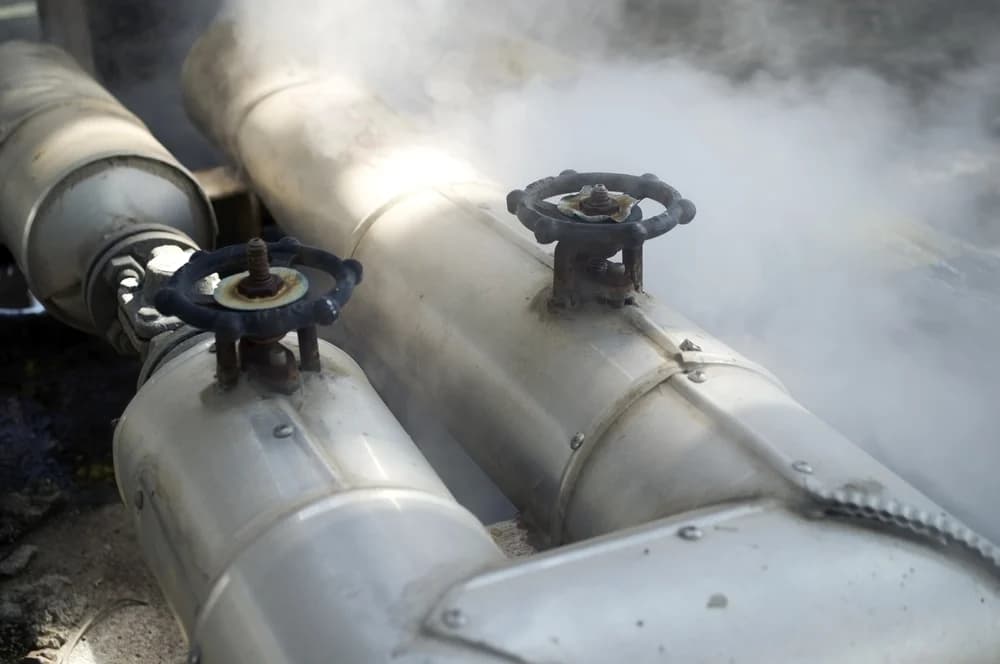
- Event: An ammonia gas leak occurred due to a ruptured pipeline, impacting approximately 140 workers—80 men on the ground floor and around 60 women asleep on the first floor.
Casualties and Injuries:
- Fatalities: 16 reported (13 from Odisha, 2 from Assam, 1 from Jharkhand).
- Injuries: Many workers suffered from severe exposure to ammonia, experiencing symptoms like breathing difficulties, irritation of eyes, and skin burns.
- Rescue Efforts: Initial rescue efforts were conducted by co-workers. Delayed response from emergency services exacerbated the situation.
Health Impact:
- Ammonia concentrations over 250 ppm identified as harmful, above 300 ppm considered life-threatening.
- Treatment focused on supportive care, as there is no specific antidote for ammonia toxicity.
- Survivors experienced laryngeal oedema and acute respiratory distress syndrome (ARDS).
Role of Authorities:
- Police Action: Initial arrests made under:
- Bharatiya Nyaya Sanhita (BNS): Section 105 for culpable homicide, Section 125(a) for endangering life.
- Child and Adolescent Labour (Prohibition and Regulation) Act, 1986, and Scheduled Castes/Scheduled Tribes (Prevention of Atrocities) Act.
- Expert Committee: Formed by Tamil Nadu government to recommend factory closure and inspect other facilities using hazardous chemicals.
Government Actions & Policies:
- National Human Rights Commission (NHRC): Issued a notice to Tamil Nadu officials for a report on the incident.
- Labour Department Investigation: Highlighted issues of recruitment via forged documents among vulnerable communities.
- Community Concerns: Workers, primarily tribal women, reported lack of medical support and harsh working conditions.
Socio-Economic Context:
- Migrant workers traveled 1,500-3,000 km for jobs; received low wages (₹14,000-₹17,000 per month).
- Limited access to healthcare; medical expenses often deducted from salaries.
- Some victims identified as minors, increasing the seriousness of labor violations.
Environmental and Industrial Regulations:
- The Tamil Nadu Pollution Control Board (TNPCB) involved in forensic investigation and sample collection to assess compliance with safety standards.
- The recommendation for continuous inspections of 1,774 factories using hazardous substances across the state.
Future Implications:
- Increased scrutiny on occupational safety standards in industrial units, especially in sectors dealing with hazardous materials.
- Need for improved regulatory frameworks to protect migrant workers and ensure compliance with labor laws.
Key Points for Examination:
Relevant Laws and Acts:
- Bharatiya Nyaya Sanhita, 1860
- Child and Adolescent Labour (Prohibition and Regulation) Act, 1986
- Scheduled Castes and Scheduled Tribes (Prevention of Atrocities) Act
Health and Safety Standards:
- Thresholds for ammonia exposure and associated health risks.
- Importance of immediate response protocols in industrial accidents.
Government Responsibility:
- Emergency response efficiency and public health implications in toxic exposure incidents.
- The role of NGOs and labor rights organizations in advocating for worker safety.
This incident highlights critical issues related to workplace safety, the treatment of migrant workers, and the consequences of regulatory oversight in industrial operations.
Key Terms & Concepts
| Ammonia gas | Toxic gas causing exposure |
| Tamil Nadu | Location of incident |
| Bharatiya Nyaya Sanhita (BNS) | Legal framework applied |
| Child and Adolescent Labour (Prohibition and Regulation) Act, 1986 | Relevant labor law applied |
| Scheduled Castes and the Scheduled Tribes (Prevention of Atrocities) Act | Protection applied for victims |
| National Human Rights Commission (NHRC) | Oversight body investigating incident |
| 1,774 factories | Factories recommended for inspection |
| ₹14,000 to ₹17,000 | Monthly salary range for workers |
| 60 seafood export companies | Similar units in Tamil Nadu |
| 15 to 20 minutes | Time for gas to spread |
| 40 to 50 minutes | Response time for emergency services |
| 16 fatalities | Total deaths recorded |