iAspirants
Ancient Use of Poison-Tipped Arrows
Published on:
Share this post
Article Summary
Summary of Research on Prehistoric Hunting Practices and Poison-Tipped Arrows
Key Findings
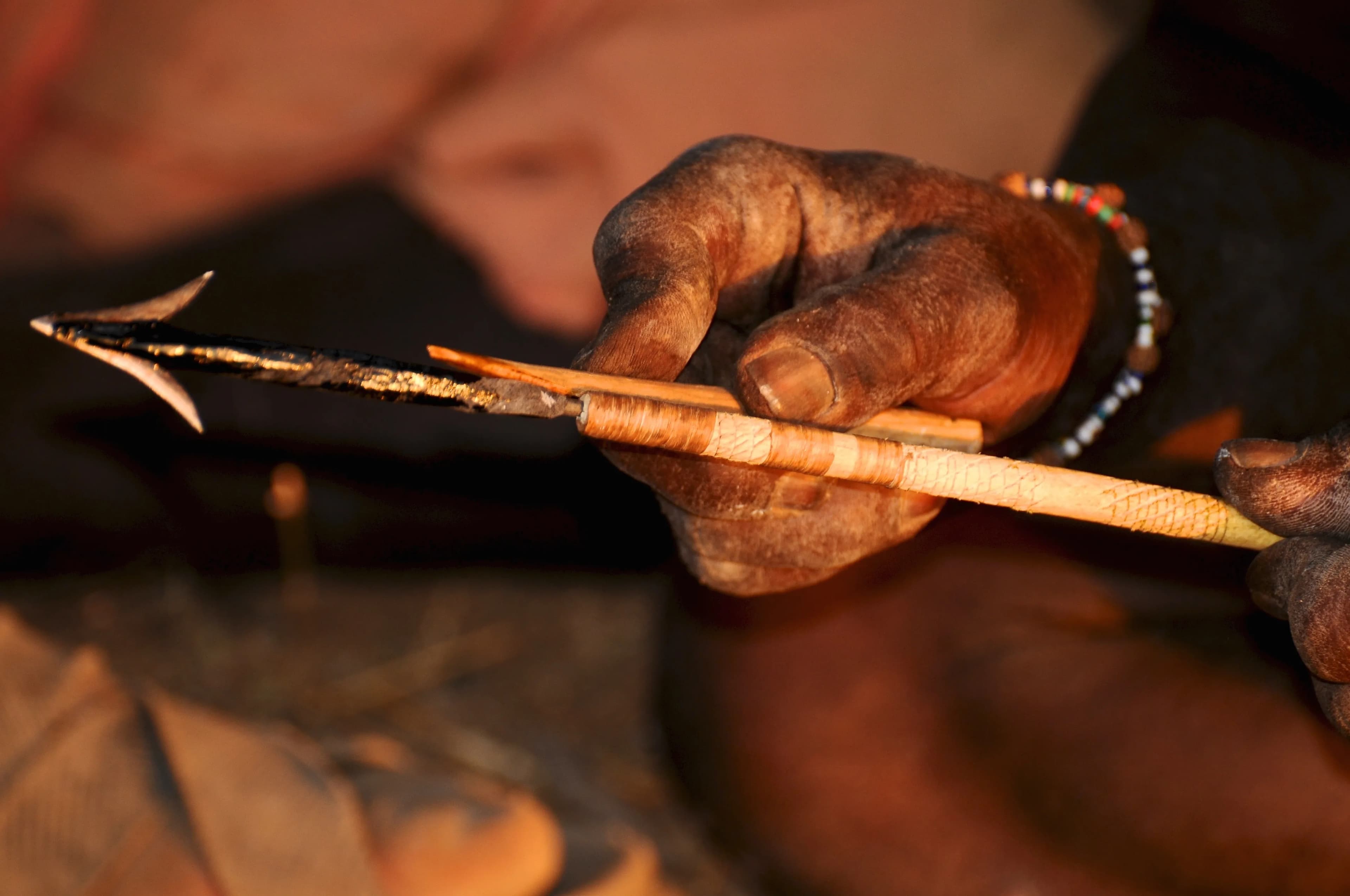
- Use of Poison-Tipped Arrows: Research indicates that prehistoric communities in Africa may have begun using poison-tipped arrows for hunting as early as 60,000 years ago.
- Chemical Analysis: Arrowheads excavated from the Umhlatuzana rock shelter in KwaZulu-Natal, South Africa, show traces of strong plant toxins, specifically:
- Toxic Alkaloids Identified: buprenorphine and epibuphanisine.
- Likely source: Boophone disticha, a native plant to southern Africa rich in potent toxins.
Historical Context
- Previous Knowledge Limitations: Earlier evidence for the use of poison arrows extended back only 8,000 years. A shift began in 2020 when researchers reported findings of stone and bone arrow points dated between 50,000 and 80,000 years resembling modern poisoned arrow tips.
- Excavation Background: The quartzite arrow tips were first discovered in 1985. Recent analysis utilized modern analytical methods to confirm earlier hypotheses of toxicity.
Toxic Properties and Usage
- Effectiveness of the Toxins:
- Can be lethal to small animals within minutes.
- Induces nausea, coma, or death in larger animals or humans.
- Hunting Advantage: While the poison may not kill large game outright, it could incapacitate them, aiding hunters.
Implications of Findings
- The sustained presence of these toxic materials across different archaeological artefacts indicates intentional use rather than accidental contamination.
- Suggests that knowledge of plant properties and their ecological applications dates back at least 60,000 years, marking one of the longest continuous technological traditions known.
Broader Significance
- Evolution of Human Behavior: The findings indicate a complex understanding of plants for biochemical effects, marking a progressive step in human survival strategies.
- Ongoing relevance of Boophone disticha in traditional medicine and potential risks associated with its toxicity highlight its historical and contemporary significance.
Supporting Evidence
- The study referenced early documentation by Carl Peter Thunberg in the 1770s, confirming that Indigenous hunters in southern Africa employed poison weapons.
Conclusion
These findings underscore the sophistication of early human societies in Africa in utilizing natural resources for hunting, demonstrating advanced ecological knowledge and the utilization of biochemical properties of plants for survival.
Key Terms & Concepts
| Boophone disticha | Source of toxic alkaloids |
| buprenorphine | Identified toxic alkaloid |
| epibuphanisine | Identified toxic alkaloid |
| Umhlatuzana rock shelter | Excavation site in South Africa |
| 60,000 years | Dating of arrowheads |
| 7500-8000 years | Previous understanding of poison use |
| Marlize Lombard | Lead researcher |
| South Africa | Location of discovery |
| trial and error | Method of discovering plant properties |
| Carl Peter Thunberg | Documented Indigenous poison use |
| 1770s | Collection of arrows period |
| cultural continuity | Technological tradition duration |