iAspirants
Architectural Revitalization at Humayun’s Tomb
Published on:
Share this post
Article Summary
Summary Notes on the Humayun's Tomb Site Museum and Its Design Philosophy
Key Details:
Architectural Context: The Humayun's Tomb Site Museum integrates ecological principles reflecting the architectural philosophy of notable architect Joseph Stein, emphasizing the significance of garden spaces in structures.
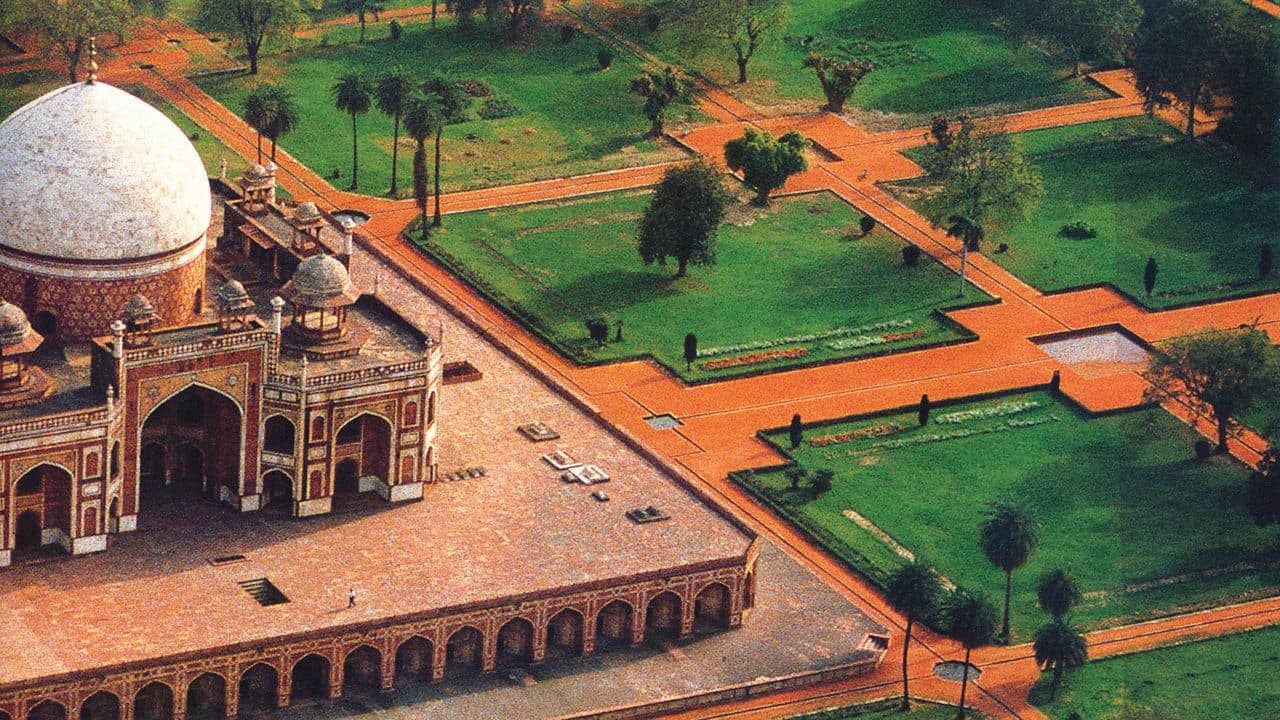
UNESCO World Heritage Status: The museum is located at a UNESCO World Heritage Site, connecting to Humayun’s Tomb and Sunder Nursery, enhancing the cultural and historical landscape of the area.
Collaborating Entities: The project is a collaborative effort involving the:
- Ministry of Culture
- Ministry of Tourism
- Archaeological Survey of India
- Aga Khan Trust for Culture
Design Features:
Architectural Structure:
- The museum consists of two main zones: an entrance plaza and subterranean galleries.
- The building's facade incorporates salvaged red sandstone from the Humayun's Tomb restoration, promoting sustainability.
- A combination of red sandstone and white marble screens is used, reflecting traditional Mughal craftsmanship.
Cultural Significance: The design draws inspiration from Mughal architectural principles—geometry and craftsmanship, facilitating a dialogue between past and present.
Visitor Experience:
- The entrance plaza features amenities such as cafes and an auditorium, enhancing the visitor's experience.
- The design encourages interaction with nature, with shaded areas and gardens integral to the visitor journey.
Interior Layout:
- Galleries are arranged with skylights illuminating exhibits, reflecting modern interpretations of historic baolis (stepped wells).
- A sunken garden courtyard serves as a serene transition between indoor and outdoor spaces.
Environmental Integration:
- Horticultural Elements: The museum design minimally impacts existing vegetation, integrating architectural elements with the site’s ecological fabric.
- Natural Light Utilization: Skylights and open courtyards are employed to enhance natural illumination in exhibition spaces, reinforcing a connection between architecture and nature.
Architectural Philosophy:
Community Engagement: The design seeks to foster a strong emotional connection between visitors and the space, emphasizing the value of communal areas for reflection and understanding of heritage.
Cultural Reflection: The project is framed as a vital link between India's rich historical legacy and contemporary architecture, aiming to inspire future designs that resonate with public need and cultural memory.
Closing Thought:
The completion of the Humayun's Tomb Site Museum highlights a pressing need for urban designs that embrace both heritage and ecological mindfulness, making architecture a vessel for cultural narrative and community-building.
Key Terms & Concepts
| Humayun's Tomb Site Museum | UNESCO World Heritage Site |
| India Habitat Centre | Urban catalyst design |
| Sunder Nursery | Historic landscape restoration |
| Aga Khan Trust for Culture | Collaborative project partner |
| Ministry of Culture | Client team member |
| Ministry of Tourism | Client team member |
| Archaeological Survey of India | Client team member |
| Red sandstone | Material used for facade |
| White marble screen | Design feature of museum |
| Mughal architecture | Architectural style influence |
| Baolis | Architectural inspiration |
| Terrace plaza | Public gathering space |