iAspirants
Current AffairsPrelims PYQsUPSC CSE SyllabusUPSC CSE StrategyBlogsPricing
Login
iAspirants
Current AffairsPrelims PYQsUPSC CSE SyllabusUPSC CSE StrategyBlogsPricingContact UsLoginSignUp
iAspirants

Your AI-powered companion for UPSC preparation.

Study Resources

  • Current Affairs
  • Prelims PYQs
  • UPSC CSE Syllabus
  • UPSC CSE Strategy
  • Blogs

Practice & Plans

  • Mains Answer Evaluation
  • Pricing
  • Sign Up
  • Login

Company

  • Home
  • About Us
  • Contact Us
  • FAQs

Legal

  • Privacy Policy
  • Terms & Conditions
  • Return Policy

© 2026 iAspirants, Inc. All rights reserved.

  1. Blogs
  2. History

Assassination of Bangladeshi Leaders

Published on: 06-Nov-2025

Source: The Hindu

Share this post

Assassination of Bangladeshi Leaders

Article Summary

Summary of Events: Assassinations of Bangladeshi Leaders

  1. Key Events and Figures:

    • On November 5, four prominent leaders of Bangladesh were assassinated:
      • Mr. Tajuddin Ahmed (Prime Minister of the provisional government)
      • Mr. Syed Nazrul Islam (acting President)
      • Mr. A.K.M. Kamaruzzaman
      • Mr. Mansur Ali
    • The assassinations occurred shortly after the earlier killing of Sheikh Mujibur Rahman and his family members on August 15, 1975.
    • Following these events, Khondakar Mushtaque Ahmed is the only surviving member of the five-member provisional regime.
  2. Context of Assassination:

    • The killings are believed to have been executed by military officers who orchestrated the August coup.
    • The assassinated leaders had been imprisoned in Dacca Central Jail following the coup.
  3. Judicial Inquiry:

    • A three-member judicial committee, headed by the Chief Justice of the Supreme Court, was established to investigate the "heinous crimes" attributed to the "miscreants" responsible for the coup and subsequent assassinations.
  4. Significance:

    • These events marked a significant turning point in the political landscape of Bangladesh, reflecting the violent aftermath of the country's struggle for independence from Pakistan.

Relevant Constitutional and Legal References:

  • The provisional government was established to navigate the country post-independence, indicating significant constitutional implications for leadership and governance.
  • The role of the judiciary in setting up an inquiry underscores the need for accountability and rule of law in the face of political violence.

These events highlight the fragility of governance in transitional democracies, especially in the context of military interventions and political instability.

Key Terms & Concepts

BangladeshCountry where events occurred
Tajuddin AhmedPrime Minister of provisional government
Syed Nazrul IslamActing President during absence of Sheikh Mujib
March 26, 1971Date of Pakistan army crackdown
August 15 coupCoup that led to assassinations
Dacca Central JailLocation of the assassinations
Judicial committeeInquired into crimes committed
Supreme Court Chief JusticeHead of investigative committee
Mr. Khondakar Mushtaque AhmedSole survivor of provisional regime

Mind Map for UPSC Civil Services Revision

Turn UPSC Civil Services Current Affairs Into Exam-Ready Notes

Reading History current affairs is half the work. Revise them with ready-made notes and test what actually stuck.

  • Daily UPSC Civil Services current affairs analysis
  • Revision notes, mind maps & MCQs
  • Prelims mock tests with instant results

Related UPSC Civil Services Current Affairs Articles

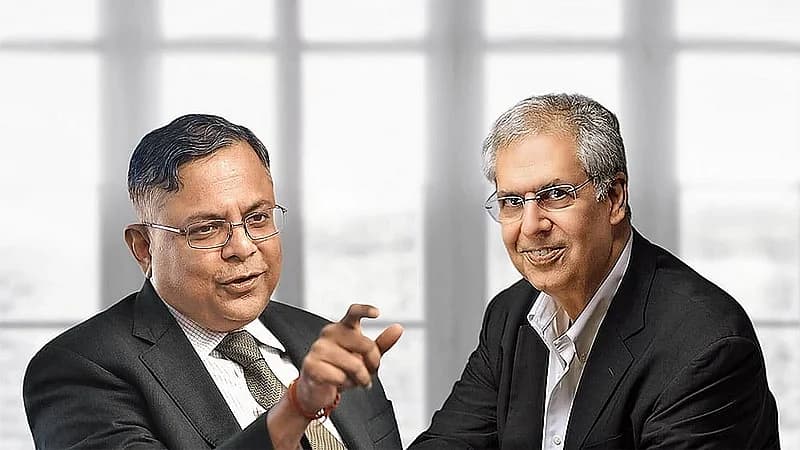
Tata Group Conflict Requires Resolution
Economic and Social Development04-Nov-2026

Tata Group Conflict Requires Resolution

Key Points on Tata Group Dispute and Government Response

  1. Government Involvement:

    • Finance Minister Nirmala Sitharaman emphasizes the need for an amicable resolution within the Tata Group without government intervention, reflecting a hands-off approach amid tensions among trustees.
Practise Mains answer writingUpload a handwritten answer and get it evaluated
  • Significance of Tata Group:

    • The Tata Group is described as a "critical component" of the Indian economy, highlighting its substantial impact and legacy, which includes a history of corporate responsibility.
  • Conflict Details:

    • Internal disputes are primarily between Tata Trusts and Tata Sons regarding governance, ownership rights, and potential listing of Tata Sons on stock exchanges.
    • Tata Trusts hold approximately 66% of Tata Sons, while the Shapoorji Pallonji Group holds around 18.4%, creating a conflict over the direction and operations of Tata Sons.
  • Key Issues:

    • There is disagreement on whether Tata Sons should be publicly listed, which would necessitate greater regulatory compliance and public scrutiny.
    • The conflict has raised concerns about corporate governance and the role of trustees in decision-making.
  • Regulatory Context:

    • The Reserve Bank of India's (RBI) classification of Tata Sons as an upper-layer non-banking financial company (NBFC) has shaped the current regulatory obligations and listing debates, which also include historical debts repaid by Tata Sons.
  • Judicial and Administrative Involvement:

    • Trustees Venu Srinivasan and Vijay Singh are seeking inquiries from the Maharashtra Charity Commissioner regarding the administration of Tata Trusts, indicating possible governance issues within the trusts.
    • Previous trustee Mehli Mistry's involvement has also introduced allegations of conflicts of interest and governance discrepancies.
  • Upcoming Meetings and Decisions:

    • A key board meeting scheduled for November 26, 2026, will potentially address the restructuring proposals and clarify the ownership dynamics, alongside pressures from the Shapoorji Pallonji Group.
  • Historical Context:

    • The Tata Group’s legacy dates back nearly 150 years with a distinct focus on social development, which is now challenged by the prospect of public listing and its implications for corporate operations.
  • Broader Implications:

    • Sitharaman's discourse underscores the importance of internal resolution mechanisms to protect Tata Group's institutional legacy and public trust, emphasizing that internal disputes should not morph into prolonged public confrontations.
  • Corporate Governance and Responsibility:

    • The Tata Group’s ongoing internal issues raise essential questions regarding corporate governance, decision-making authority, and the maintenance of legacy values amid modern business practices.
  • This situation encapsulates critical challenges at the intersection of corporate governance, economic development, and regulatory compliance in India's industrial landscape.

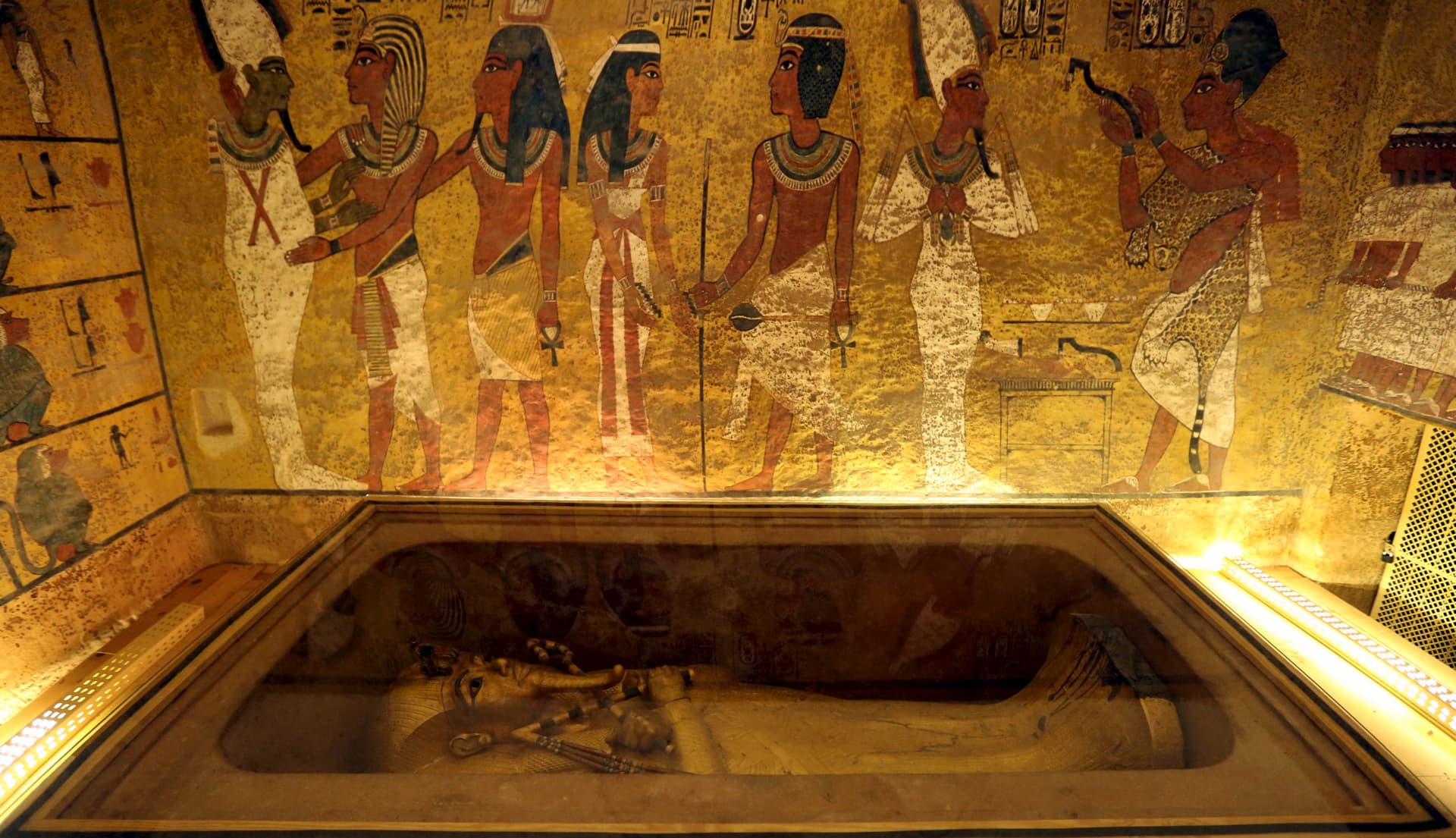
    Discovery in Tutankhamun's Tomb Chamber
    History03-Nov-2026

    Discovery in Tutankhamun's Tomb Chamber

    • Discovery in Tutankhamun's Tomb: The third chamber of Tutankhamun’s tomb was recently opened, revealing significant historical artifacts associated with ancient Egyptian funeral ceremonies.

    • Findings:

      • Small Boats: Two types of boats were discovered:
        • Funeral boats for transporting the deceased from Luxor across the Nile to the tombs.
        • Boats intended for transporting the body from the earth to the afterlife.
      • Statuettes Box: A box containing small statuettes was found, depicting Tutankhamun’s head with the body of a bird or animal, illustrating ancient Egyptian concepts of the afterlife.
      • Chariots: Two unornamented chariots were uncovered, believed to have been used for hunting purposes. These represent the first known discovery of such artifacts.
    • Historical Importance: The items from this chamber, although less ornate than those from the other two chambers, provide valuable insights into ancient Egyptian funerary practices and the cultural significance placed on the afterlife.

    • Cultural Significance: This discovery enhances understanding of the burial customs of pharaohs, reflecting on the rich history and belief systems of ancient Egypt.

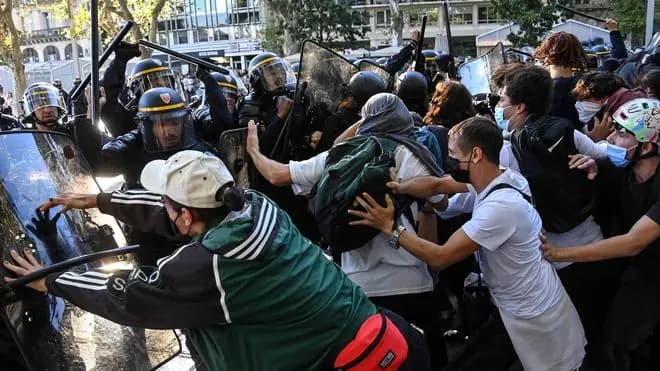
    Racism and Protests in France
    National and International Importance29-Oct-2026

    Racism and Protests in France

    Key Facts and Summary Notes:

    Violence and Crime:

    • Date: October 23
    • Location: Trappes and La Verrière, immigrant townships near Paris, France.
    • Incident: Kevin T, a White Frenchman, shot Pengo Bossio Wang, a Black martial arts amateur, killing him, and critically injuring a 12-year-old North African girl, along with three others.
    • Observations: The violence followed tensions rooted in a high-school protest sparked by issues such as poor school conditions and reform demands.

    High-School Protests:

    • Causes: Protests by French high schoolers began due to:
      • Deteriorating school infrastructure.
      • Teacher shortages.
      • Overcrowded classrooms.
      • The selection system "Parcoursup", which sorts students early in life.
    • Response from Government: Silence, failing to address underlying issues.

    Escalation and Response:

    • Protest Dynamics: The protests began peacefully with school blockades and took a violent turn due to police repression.
    • Student Arrests: Thousands of students aged 14-18 were arrested as clashes escalated.
    • Major Protest: On October 17, an estimated 800,000 people, including trade unions and students, participated in "cost of living" protests which ended in violence attributed to external "les casseurs" groups.

    Political and Social Commentary:

    • President Emmanuel Macron referred to the shooting and subsequent violence as a “turning point” in French history.
    • The results: Apart from the tragic loss of life and injuries, mass unrest incurred significant damage to heritage and property and raised concerns about societal divisions.

    Responsibility and Media Role:

    • Blame Allocation: Various political factions debated responsibility:
      • Far-left: Criticized police for mismanagement and inadequate action against looters.
      • Far-right: Insulting rhetoric directed at immigrants, calling them “suburban riff-raff” and “Allah’s revolutionaries,” which fueled racist sentiments and violence.
    • Media’s Role: Highlighted the responsibility of media in perpetuating division and hate through sensationalism.

    Government Response:

    • Outcomes: After weeks of protests and violence, the French government, led by President Macron, ultimately acknowledged some student demands.
    • Economic Impact: The cost of the unrest ran into billions of euros in damages and arrests, leading to calls for policy and systemic reform.

    Historical Context:

    • The protests are reminiscent of pivotal historical movements in France such as the French Revolution of 1789 and the May 1968 protests, reflecting deep-rooted themes of social justice and civil rights.

    Conclusion:

    This crisis underscores the precarious balance between youth activism, governmental accountability, and societal divisions in contemporary France. It raises vital questions about freedom of expression, media influence, and the role of law enforcement in civil unrest contexts.