iAspirants
Avalanche Risks and Future Solutions
Published on:
Share this post
Article Summary
Disaster Overview:
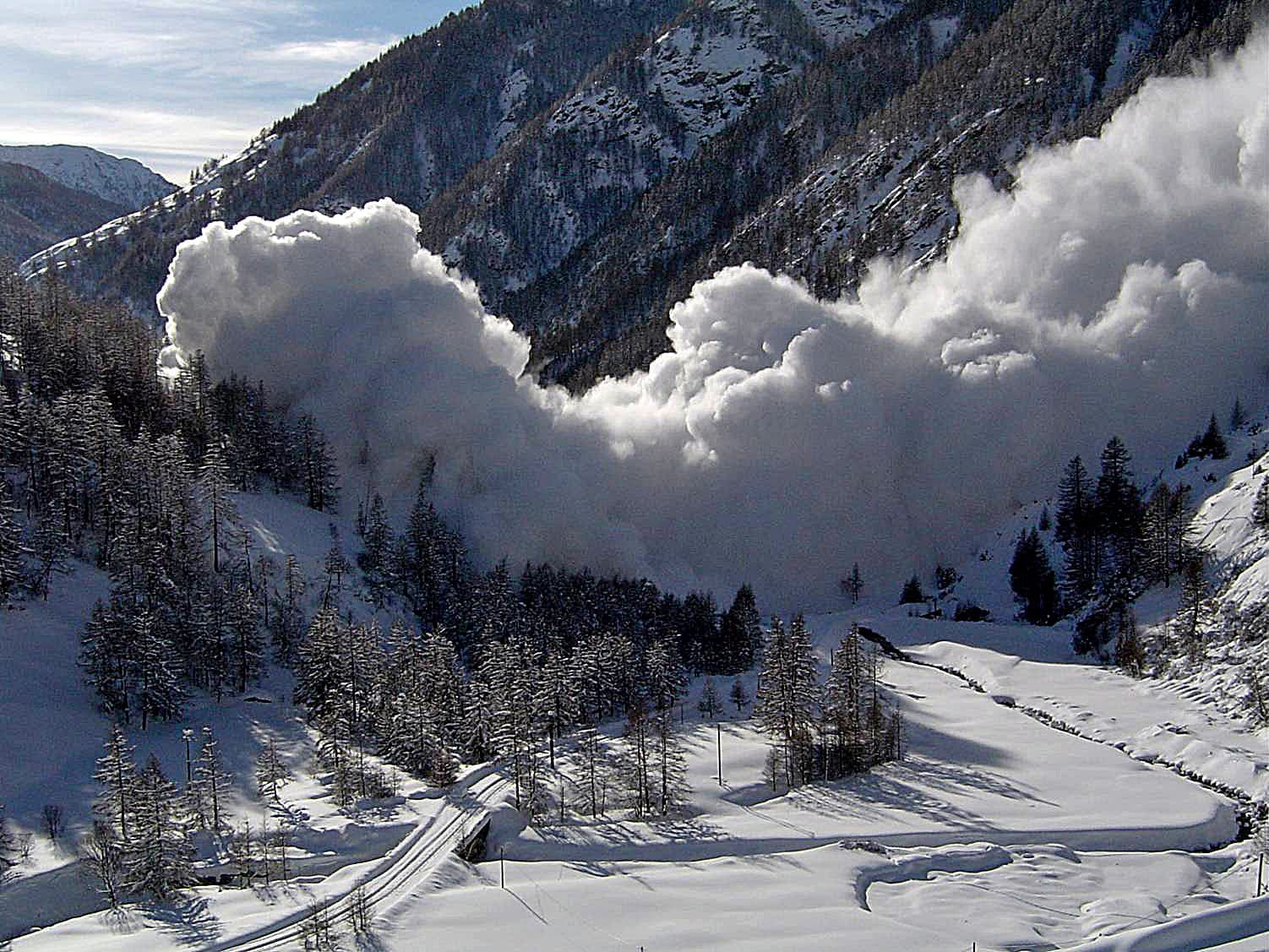
- Recent geological disasters in Nepal and Tibet involved a rock-ice avalanche leading to a debris flow.
- Similar events occurred in Chamoli (2021) and Dharali (2025), highlighting the increasing risk of these disasters due to changing climatic conditions, including accelerated deglaciation and thawing permafrost in the Himalayas.
Impact of Rock-Ice Avalanches:
- Rock-ice avalanches are not classified as "natural disasters" until they affect human life and surroundings.
- The physical impact of the Rasuwa avalanche mimicked seismic activity, falsely suggesting an earthquake.
Glacial Lake Outburst Floods (GLOFs):
- GLOFs pose significant risks to Himalayan communities; an estimated 15 million people globally are under threat, predominantly in High Mountain Asia.
- The disaster's origin was a rock-ice avalanche rather than a GLOF, complicating risk assessment and management efforts.
Monitoring and Prediction Challenges:
- Current methodologies for predicting rock-ice avalanche impacts, unlike GLOFs, are inadequate- as there are no defined monitoring systems in place for every affected valley.
- Strategic planning is needed to identify high-risk slopes effectively for potential catastrophic failures.
Workers’ Safety:
- Numerous fatalities in previous disasters involved workers from hydropower projects located in vulnerable areas directly impacted by hazardous flows.
Technological and Scientific Advancements:
- Recommendations include developing a dense network of seismic stations to detect landslide-generated earthquakes.
- Current detection systems exist for extreme flood events but require improvements in real-time monitoring and communication to ensure timely warnings to communities.
Collaboration and Funding Needs:
- Effective disaster risk management in the Himalayan region necessitates international collaboration and significant investment—potentially requiring tens of millions of dollars for infrastructure improvement.
Societal Considerations:
- Community education and trust in warning systems are critical for effective disaster response.
- Discussion regarding sustainable development and land-use pressures must occur as the region faces increasing geological and climatic threats.
Future Preparedness:
- Future disaster risk strategies should integrate scientific research with community action to enhance preparedness and resilience against potential disasters.
- Essential questions remain about sustainable development practices that prioritize human safety while respecting ecological integrity.
Conclusion:
- The dynamics of geological disasters necessitate a multidisciplinary approach that encompasses scientific, technological, and community engagement to mitigate future risks effectively.
Key Terms & Concepts
| Himalayas | Region affected by disasters |
| Ronti Peak | Source of rock-ice avalanche |
| Dharali disaster | Past disaster reference |
| Chamoli disaster | Past disaster reference |
| 15 million | People globally facing GLOF danger |
| 9 million | People in High Mountain Asia facing GLOF risk |
| 3 million | People in India facing GLOF risk |
| GLOF (Glacial Lake Outburst Flood) | Source of risk to communities |
| Seismic station network | Detection of landslide-generated earthquakes |
| Cross-border cooperation | Needed for disaster management |
| Hydropower development | Influenced by environmental risks |