iAspirants
Bangladesh Elections and India Relations
Published on:
Share this post
Article Summary
Summary of Current Events in Bangladesh
Context and Background:
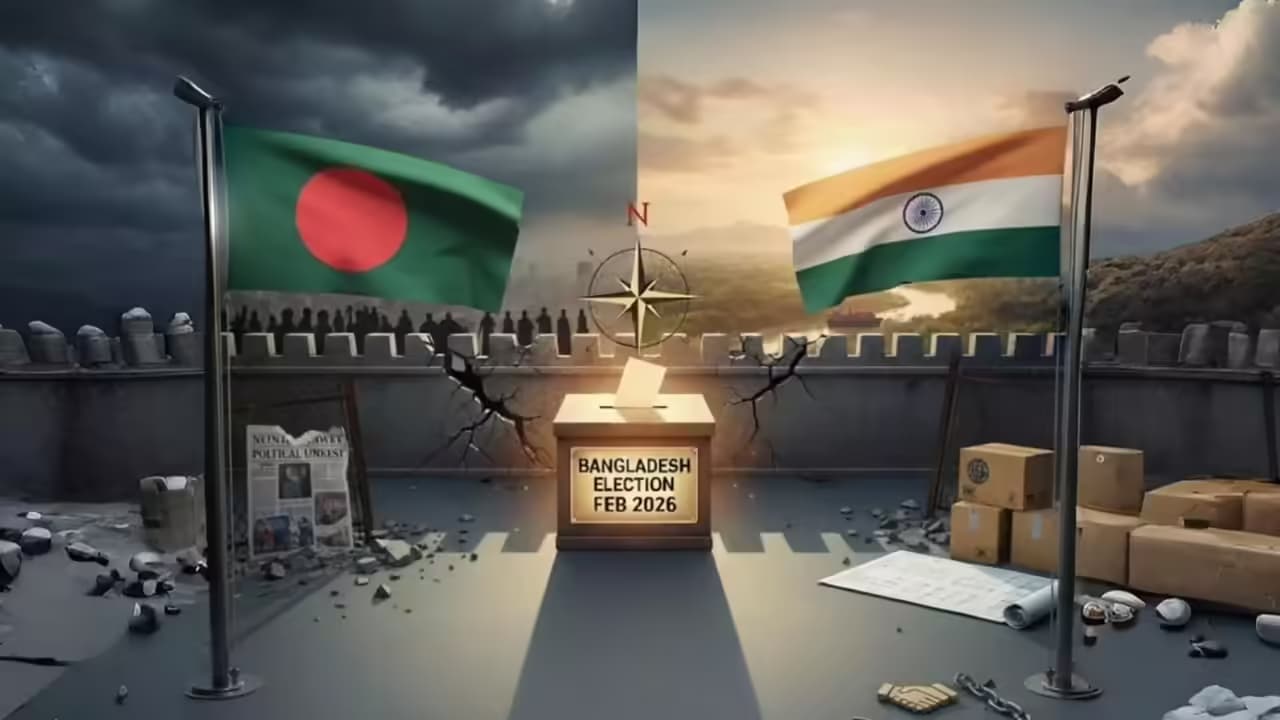
- Bangladesh is approaching elections scheduled for February 12, 2025.
- The political environment has been fraught with violence, particularly following the shooting of Sharif Osman Hadi, a key political figure and spokesperson for the Inquilab Mancha, opposed to Prime Minister Sheikh Hasina.
- Hadi was shot on December 12, 2024, and succumbed to injuries on December 18, 2024. This incident has escalated tensions and targeted Indian missions in Bangladesh, including the Indian High Commission in Dhaka.
Key Events:
- After Hadi's murder, protests erupted, leading to a day-long closure of the visa application center for Bangladesh nationals.
- The Bangladesh Police claim to have identified Hadi's assailants, who allegedly fled to India, exacerbating anti-India sentiment among protesters.
- There has been violence against major media outlets in Dhaka, including the Daily Star and Prothom Alo, which are seen as pro-press freedom and have been critical of the government's authoritarian practices.
Constitutional and Political Framework:
- The current interim government, led by Chief Advisor Prof. Muhammad Yunus, has faced criticism for lacking parliamentary oversight for 16 months.
- There are concerns that a law and order crisis may jeopardize the upcoming elections.
International and Regional Implications:
- India is closely monitoring the situation due to its implications for regional stability and security, especially given upcoming elections in West Bengal in April-May 2025.
- The Indian Ministry of External Affairs (MEA) has emphasized the need for "free, fair, inclusive, and credible" elections in Bangladesh, which implies the necessity of including the Awami League in the electoral process.
Government Response:
- The Bangladesh government has claimed intentions to conduct elections of the "highest standard" but has not explicitly addressed the need for inclusivity concerning opposition parties.
- The government has rejected India's advice regarding election conduct, asserting its autonomy over electoral processes.
Judicial and Legislative Concerns:
- The opposition, led by the BNP (Bangladesh Nationalist Party), has expressed fears that ongoing violence could derail the elections. Previous elections in 2014 and 2018 were marred by similar issues.
- Internal unrest may lead to questions regarding the legitimacy of the electoral process, following a period of governance perceived as increasingly authoritarian.
Social and Media Dimensions:
- The fallout from the violence against media outlets indicates a growing rift between the administration and press freedoms, raising alarms about censorship and government accountability in a democratic context.
- There is an observable tension between the ruling party and the civil society groups demanding constructive dialogues about the political climate.
Conclusion:
The political, social, and media landscape in Bangladesh is increasingly tense ahead of the February elections. This situation is crucial not only for Bangladesh’s internal stability but also carries significant implications for India and regional dynamics, as evidenced by the watchful stance taken by New Delhi regarding the internal law and order situation and the potential for violence affecting broader electoral credibility in South Asia.
Key Terms & Concepts
| Bangladesh elections | Elections scheduled for February |
| Indian High Commission | Diplomatic mission in Dhaka |
| Chief Advisor Prof Muhammad Yunus | Leads interim Bangladeshi government |
| Awami League | Political party in Bangladesh |
| BNP | Opposition party in Bangladesh |
| Daily Star | Major English newspaper in Dhaka |
| Prothom Alo | Major Bengali newspaper in Dhaka |
| Jamaat-e-Islami | Political party gaining influence |
| December 12 shooting | Incident triggering violence |
| December 18 | Date of Hadi's death |
| Election standard | High standard required for elections |
| February 12 | Election date in Bangladesh |