iAspirants
Bats and Urban Wildlife Conservation
Published on:
Share this post
Article Summary
Summary of Key Facts and Insights on Bats in Bengaluru
Constitutional and Environmental References:
- The film highlights the urban environment's biodiversity, aligning with the Directive Principles of State Policy (DPSP) under Article 48A, which emphasizes the protection and improvement of the environment and safeguarding the forests and wildlife.
Documentary Highlights:
- Title: Batman and the Baavali
- Filmmakers: Dheeraj Aithal and Pradeep Hegde; Soundtrack by Nikhil Narendra, incorporating bat echolocation calls.
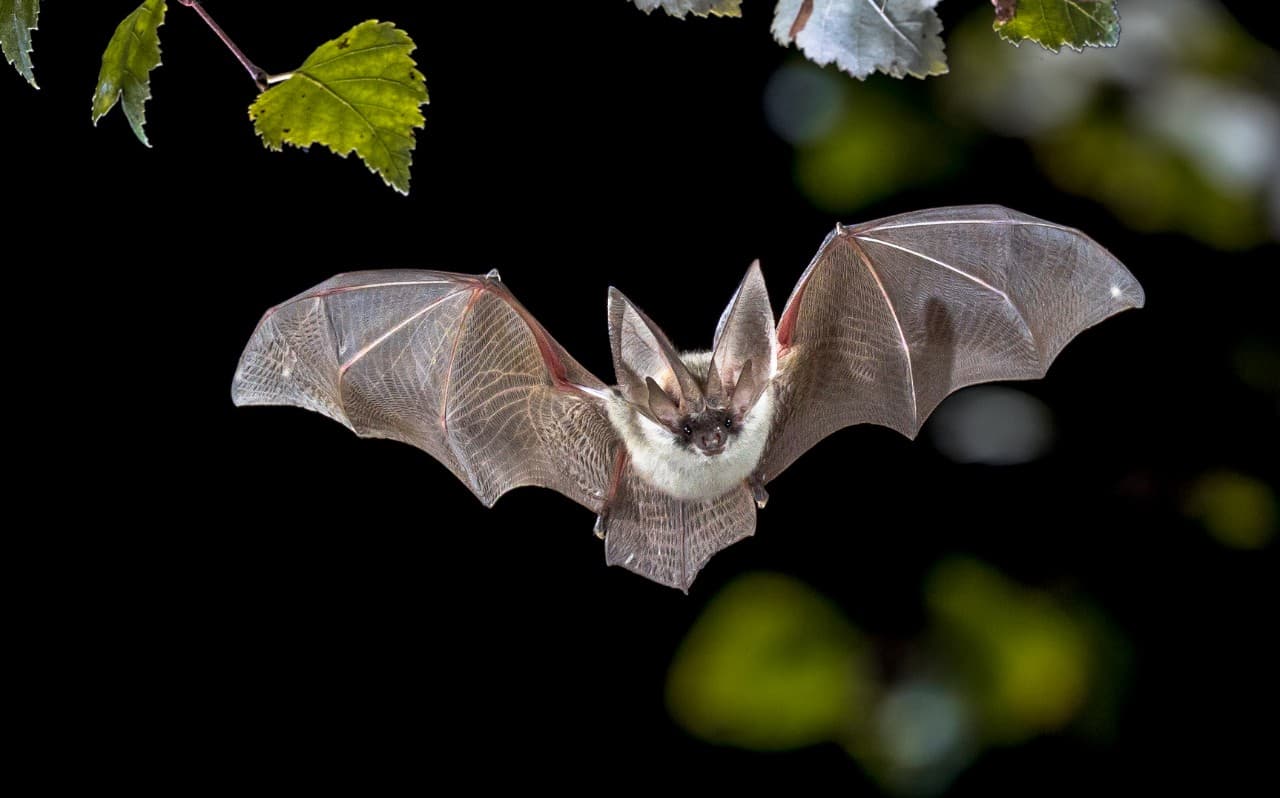
- Focus: The nocturnal life of fruit bats, showcasing their behavior in urban settings like Bengaluru.
Bat Population Statistics:
- Globally, there are approximately 1,500 bat species; India is home to around 135 species, with 10-15 species identified in Bengaluru.
- Bats can consume up to 25% of their body weight in insects nightly, aiding in pest control, notably mosquitos.
Urban Wildlife and Conservation Context:
- Bats act as important ecosystem services providers, functioning as significant seed dispersers and pollinators in forested environments.
- Legislative aspect: The film brings attention to urban wildlife coexisting with human habitats, highlighting the need for awareness and conservation efforts.
Filming Challenges and Engagement:
- The film's production faced delays due to the necessity of permits for shooting in public areas like Sankey Tank and Bugle Rock.
- Reflection on the intertwining of urban development and conservation efforts; many bat roosting sites are government lands that remain largely undisturbed.
Community and Civil Society Engagement:
- Emphasizes Bengaluru's strong civil society, actively engaged in environmental protection, which supports the thriving of urban wildlife like bats.
- The filmmakers aim to combat misinformation and negative perceptions about bats, which are often seen as vectors for disease, by educating the public on their ecological benefits.
Importance of Documentaries for Public Awareness:
- The film aims to rectify the misconceptions surrounding bats, often mistaken for birds, thus fostering better understanding and appreciation of these mammals in urban settings.
- Reports a growing realization that wildlife exists in urban areas, contrary to the belief that natural habitats are confined to remote regions.
Conclusion:
The documentary serves as both an educational and visual journey into the ecological significance of bats in Bengaluru, underlining the importance of urban wildlife conservation and the role of community engagement in biodiversity protection. The efforts depicted in the film reflect broader societal and governmental responsibilities to maintain ecological balance within urban development frameworks.
Key Terms & Concepts
| Bangalore | Location of urban wildlife research |
| Sankey Tank | Site of bat observation |
| Roundglass Sustain | Film producer on bat conservation |
| Batman and the Baavali | Documentary on bats |
| Rohit Chakravarty | Bat conservationist featured in film |
| 1,500 species | Total worldwide bat species |
| 135 species | Total bat species in India |
| 10-15 species | Bat species in Bengaluru |
| 5 grams | Weight of small bat |
| 25% | Percentage of weight consumed by bats |
| IISc campus | Location for bat identification |
| Parsi Tower of Silence | Bat roosting site |