iAspirants
Bihar's Economic and Social Development Challenges
Published on:
Share this post

Article Summary
Bihar Economic and Social Overview
Economic Indicators
- GSDP Growth: Bihar’s Gross State Domestic Product (GSDP) grew by 9.2% in 2023-24, and its economy has tripled since 2011.
- Per Capita Income: Remains at one-third of the national average.
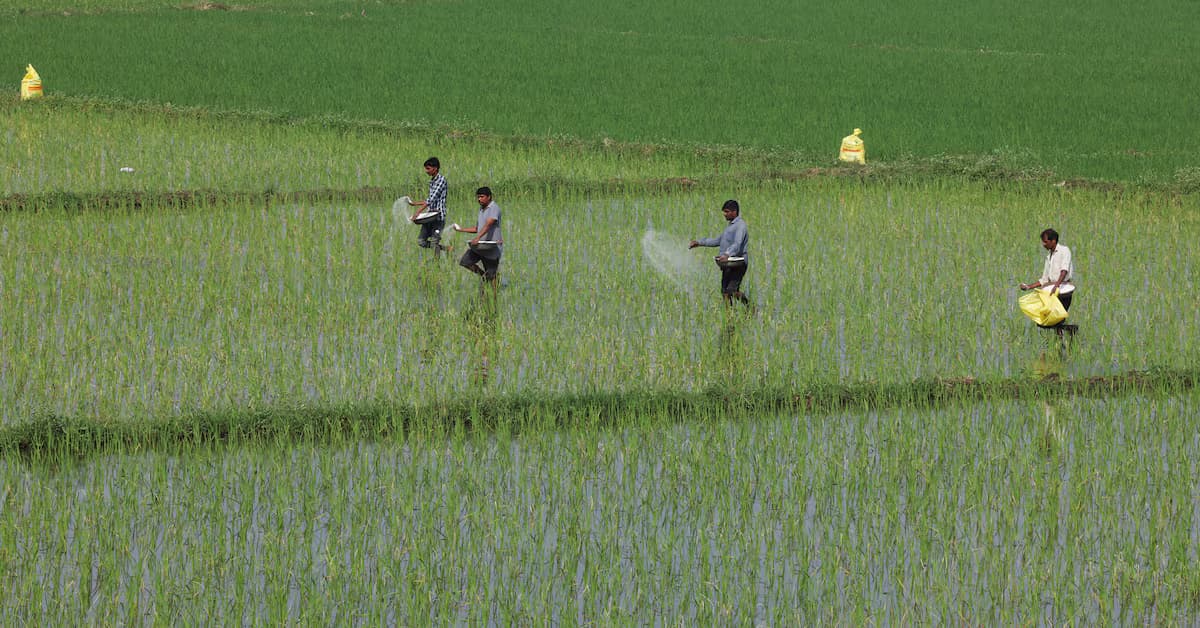
- Employment Statistics: Open unemployment at 3.9%, with nearly half of the workforce in agriculture. Over one million young individuals enter the labor force annually.
Migration and Remittances
- Migration: Approximately one crore Biharis live in other states; 73,000 migrated abroad in 2023.
- Economic Impact: Remittances support over 50% of Bihar’s households, indicating migration is often a choice boosted by improved social benefits.
Infrastructure Development
- Connectivity: Roads reach nearly every village; electricity is available in all districts.
- Quality of Infrastructure: There are inconsistencies in quality and reliability, particularly in electricity consumption.
- Investment Requirement: Continued investment needed in power, logistics, and digital networks, with capital outlay at 3.7% of GSDP.
Government Policies and Initiatives
- Bihar Industrial Investment Promotion Package 2025: Aimed at enhancing the contribution of industry and services to GSDP.
- Fourth Agriculture Roadmap: Focuses on expanding irrigation, promoting diverse crops, and enhancing agro-employment.
- Skill Development Mission: Aiming to train 500,000 youth aligning with sectoral demands.
Human Capital and Education
- Literacy Rates: Overall literacy at 74.3%, with female literacy at 66.1%.
- Educational Outcomes: ASER 2024 data indicate that only 39.4% of Class III children can read a Class II level text; further investments in education needed.
Urban Development
- Urbanization Strategies: Currently, only 11% of the population lives in towns. Development requires statutory urban plans for major cities.
- Bihar Urban Mission: Upgrades BUIDCo with broader mandates for urbanization.
Local Governance
- Third Tier Empowerment: Strengthening Panchayats and municipalities vital, focusing on functions, finances, and functionaries.
Tourism and Hospitality
- Sector Potential: Under-leveraged heritage tourism can create employment, with improved land availability for hotels.
Fiscal Monitor and Investment
- Budget Estimates 2025-26: Set own tax revenue at 5.4% of GSDP, with a projected 22% nominal GSDP growth. Need for improved tax buoyancy.
Governance and Social Fabric
- Emphasizes the relationship between governance and public trust, particularly highlighting women's empowerment and community trust, referred to as “NiMo” (Narendra Modi and Nitish Kumar).
- The socio-economic aspirations of Victorian times must guide Bihar's future, emphasizing dignity, opportunity, and hope reflected during Chhath vonf festivities.
Conclusion
Bihar's trajectory reflects a complex interplay of tradition, nostalgia, and economic aspirations. The confluence of strong governance, proactive policies, and enhanced social benefits will determine its future success. The focus must be on integrating service and industry sectors, improving educational outcomes, and ensuring sustainable urban development, while leveraging cultural heritage for economic growth.
Key Terms & Concepts
| GSDP | GDP growth indicator |
| 9.2 percent | GSDP growth rate for 2023-24 |
| Three crore Biharis | Migrants living in other states |
| 73,000 | Biharis migrated abroad in 2023 |
| Bihar Industrial Investment Promotion Package 2025 | Policy for industrial growth |
| 4th Agriculture Roadmap | Focus on agricultural reforms |
| 74.3 percent | Literacy rate in Bihar |
| 39.4 percent | Class III children reading level |
| 19.5 percent | Class III children division ability |
| BUIDCo | Urban development agency |
| 5.4 percent | Tax revenue as percentage of GSDP |
| Bihar Urban Mission | Plan for urbanization |
| Chhath Puja |