iAspirants
Bihar's Economic Transformation and Development
Published on:
Share this post

Article Summary
Bihar Economic Transformation Overview
Economic Indicators:
- Bihar's Gross State Domestic Product (GSDP) projected to increase by 22% in FY 2025-26, reaching nearly Rs 11 lakh crore.
- Per capita income rose by 11% year-on-year; long-term projections estimate an economy above $200 billion by 2030.
- GSDP growth averaged 8.22% CAGR (2004-2017).
- Revenue surplus of 0.8% of GSDP marks fiscal recovery.
Sectoral Contributions:
- Industries contribute 26.6% to GSDP; services dominate at 58.6%.
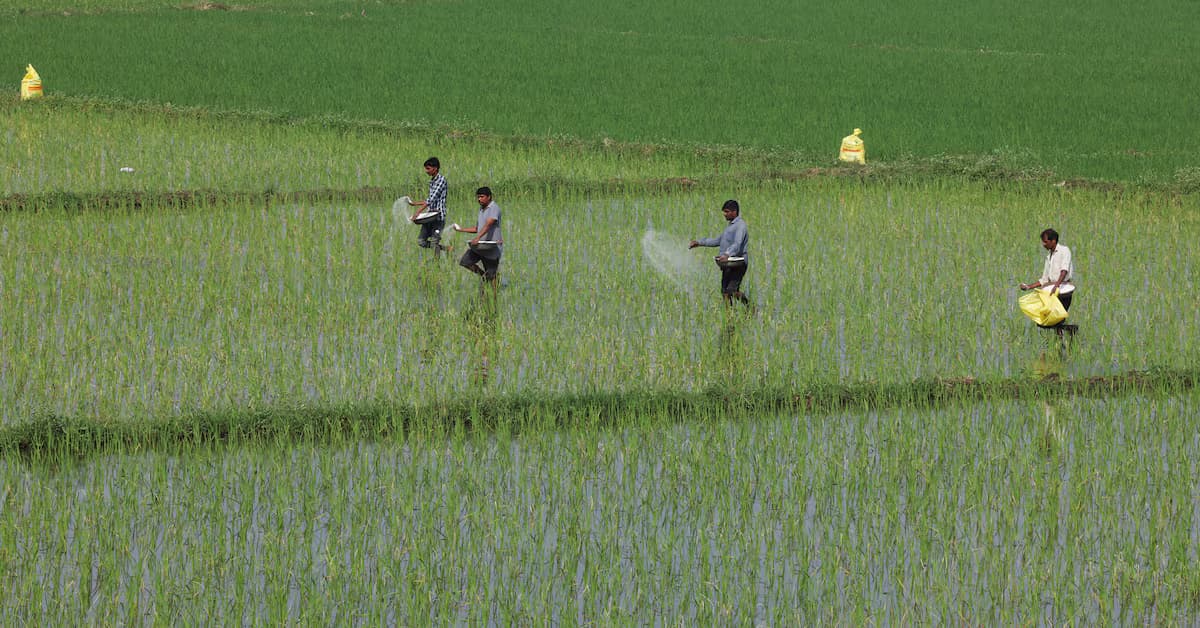
- Agricultural employment declined from 72.6% in 2004 to 43.8% in 2017.
Infrastructure Development:
- Central government approved over Rs 33,000 crore for highway upgrades and Rs 675 crore for district road expansion.
- Significant rail investment, including Rs 2,192 crore for railway expansion and new services like the Amrit Bharat Express routes.
- Plans for six regional airports and a new international airport in Patna.
International Migrant Labor:
- Bihar has a large migrant population, with 73,000 workers moving abroad in 2023.
- Approximately 7.2% of its population resides in other Indian states, with remittances supporting over half of all households.
Government Policies and Recommendations:
- Institutional Mechanisms for Remittances: Create incentives to channel remittances into education and entrepreneurship.
- Infrastructure Investment Focus: Maintain the momentum in infrastructure expansion to enable better connectivity and logistics.
- Encourage Private Investment: Shift bureaucratic views to see private investment as essential to growth.
- Invest in Human Capital: Align education and vocational training programs with market demands to improve employment prospects.
- Fiscal Management Success: Continue prioritizing sustained investments in human capital to foster long-term growth.
Challenges Identified:
- Need for coherent strategies to develop the tourism sector, leveraging Bihar's cultural assets.
- Judicial and regulatory complexities hinder business operations and investment.
- The bureaucracy's cautious approach to private capital must change to attract investment.
Constitutional and Governance Implications:
- The success in fiscal management showcases the need for robust governance frameworks to maintain progress.
- A collaborative approach between state and central governments can further drive development.
Conclusion
Bihar's shift from a low-level equilibrium trap to a rapidly growing economy underscores the importance of infrastructural investments, human capital development, and effective governance. Fostering private investment and leveraging remittances are crucial steps for sustaining this significant economic transformation.
Key Terms & Concepts
| Nominal GSDP | Projected to reach Rs 11 lakh crore |
| Revenue Surplus | 0.8 percent of GSDP |
| Per Capita Income | Risen by 11 percent year-on-year |
| Capital Expenditure | Accounts for 14 percent of the budget |
| GSDP Growth Rate | Averaged 8.22 percent CAGR (2004-2017) |
| Services Sector Contribution | 58.6 percent of output |
| Agri Employment Rate | Fell to 43.8 percent in 2017 |
| Migration Statistics | 73,000 workers moved abroad in 2023 |
| Infrastructure Investment | Rs 33,000 crore for highway upgrades |
| Aviation Development | Plans for 6 regional airports |
| New Train Services | Including Amrit Bharat Express routes |
| Periodic Labour Force Survey (2024) | Education levels compared to national average |