iAspirants
Current AffairsPrelims PYQsUPSC CSE SyllabusUPSC CSE StrategyBlogsPricing
Login
iAspirants

Your AI-powered companion for UPSC preparation.

Quick Links

  • Home
  • About Us
  • Current Affairs
  • Prelims PYQs
  • UPSC CSE Syllabus
  • UPSC CSE Strategy
  • Blogs

Company

  • Pricing
  • FAQs
  • Contact Us
  • Login

Legal

  • Privacy Policy
  • Terms & Conditions
  • Return Policy

© 2025 iAspirants, Inc. All rights reserved.

  1. Blogs
  2. Polity and Governance

BJP Workshop on Water Resources Management

Published on: 04-Sep-2026

Share this post

BJP Workshop on Water Resources Management

Article Summary

  • Event Overview: The Bharatiya Janata Party (BJP) conducted a two-day workshop focused on water resources management, attended by 25 Ministers from 14 BJP-governed states.

  • Organizers: The workshop was organized by the BJP’s Good Governance and Policy Research department and chaired by BJP President Nitin Nabin.

  • Purpose:

    • To enhance the effectiveness of Ministers in managing water resources.
    • To foster better government outcomes relative to water management.
    • To promote the principles of good governance.
  • Key Participants: Ministers responsible for irrigation, rural drinking water, and sanitation were present at the workshop.

  • Expert Involvement: The event featured guidance from experts on:

    • Effective ministerial functioning.
    • The landscape of India’s water resources.
    • The dynamics between organization and government relations.
  • Significance of the Workshop:

    • Build on the earlier Union government conference that convened Water Resources Ministers from all states.
    • The workshop aimed to strengthen inter-ministerial collaboration and knowledge sharing related to water management.
  • BJP Leadership Remarks: Senior BJP leader Vinay Sahasrabuddhe emphasized the workshop's role in driving good governance and improving administrative efficiency.

  • Contextual Importance:

    • The workshop indicates the BJP's focus on efficient governance in water resource management, which is critical for India's agrarian economy and public health.
    • This initiative supports various constitutional directives, particularly under the Directive Principles of State Policy (DPSP), Article 47, which states the government’s duty to improve public health, and Article 21, which upholds the right to life, potentially ensuring access to safe water.
  • Broader Implications: Effective water resource management directly correlates with sustainable development goals (SDGs), particularly those focused on clean water and sanitation (#6) and responsible consumption (#12).

  • Future Actions: Following the workshop, there may be initiatives or policies formulated to address gaps in water resource management identified during the discussions, potentially leading to legislative proposals or new government schemes.

This workshop reflects a proactive approach by the BJP to engage with state-level leadership on critical governance issues, aligning with long-term developmental goals for water security in India.

Key Terms & Concepts

Bharatiya Janata Party (BJP)Organised water resources workshop
Nitin NabinChairperson of the workshop
25 MinistersAttendees of the workshop
14 StatesGoverned by BJP Ministers
Good Governance and Policy ResearchOrganised the workshop
Vinay SahasrabuddheSenior BJP leader
India's water resources landscapeSubject of expert guidance
Union governmentPreviously convened conference
Irrigation, Rural Drinking WaterDepartments represented by Ministers
Drinking Water and SanitationRelevant departments at workshop
September 3, 2026Date of workshop conclusion

Mind Map for UPSC Civil Services Revision

Turn UPSC Civil Services Current Affairs Into Exam-Ready Notes

Reading Polity and Governance current affairs is half the work. Revise them with ready-made notes and test what actually stuck.

  • Daily UPSC Civil Services current affairs analysis
  • Revision notes, mind maps & MCQs
  • Prelims mock tests with instant results

Related UPSC Civil Services Current Affairs Articles

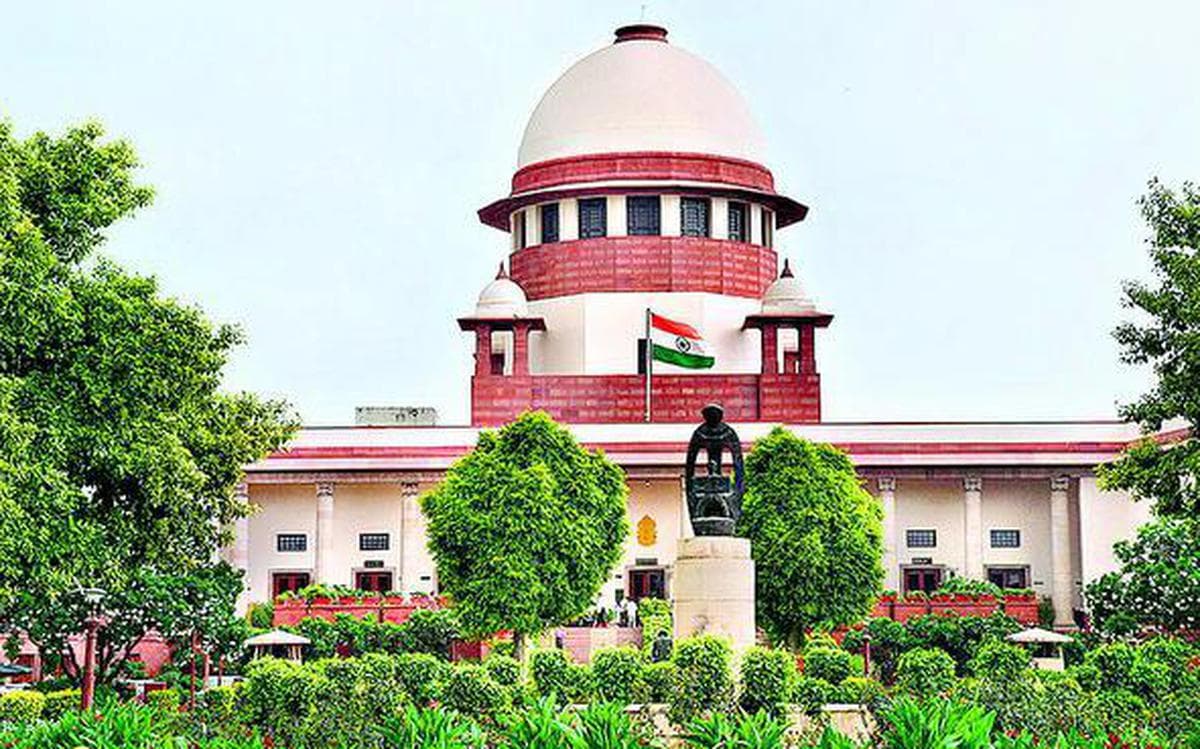
Supreme Court on Teacher Education Importance
Polity and Governance04-Sep-2026

Supreme Court on Teacher Education Importance

  • Supreme Court Ruling: The Supreme Court emphasized the critical role of elementary school teachers in the development of children and the future of the nation during a hearing on September 3, 2026.

  • Constitutional Reference: Education for children aged 6 to 14 years is recognized as a fundamental right under Article 21A of the Constitution, which mandates free and compulsory elementary education.

  • Right to Education (RTE) Act, 2009: The court reiterated that five duty-bearers are responsible for safeguarding the right to elementary education: the government, local authority, neighborhood school, parents/guardians, and teachers.

  • Teacher Education Institutions (TEIs): The court recognized teacher education institutions as the sixth duty-bearer under Section 2(e) of the National Council for Teacher Education Act. The National Council for Teacher Education (NCTE) has a pivotal role in ensuring effective teacher education across the country.

  • Judicial Precedents: The court highlighted the necessity for appropriate training and respect for elementary school teachers, stating their roles in nation-building are paramount.

  • Performance Appraisal Reports: The ruling upheld the NCTE's decision mandating TEIs to submit annual Performance Appraisal Reports. The court stressed the importance of regulatory measures by the NCTE for the effective functioning and integrity of TEIs.

  • Impact on National Education: The judgment aims at enhancing the quality of education and consequently the development of children's minds and character, impacting overall national progress.

  • Context of the Judgment: This ruling aligns with the celebration of Teachers’ Day on September 5, underlining the significance of teaching quality as foundational for a strong educational framework.

  • The emphasis on the development of a robust teacher education system is crucial for the effective implementation of the RTE Act and responds to the growing need for high-quality elementary education.

    BIS Seizes Non-Hallmarked Gold Articles
    Polity and Governance03-Sep-2026

    BIS Seizes Non-Hallmarked Gold Articles

    • Bureau of Indian Standards (BIS): The BIS is a national standards body that formulates and enforces standards for products in India.

    • BIS Act 2016: The gold articles were seized for violating provisions of this Act, which mandates that certain products must meet specified quality standards and bear the necessary certification.

    • Seizure Details:

      • Location: Ambattur, Chennai.
      • Total Weight of Seized Gold Articles: 803.99 grams.
      • Types of Articles: Earrings, bangles, and pendants.
    • Purpose of Enforcement: The BIS aims to prevent the misuse of the BIS Standard Mark and curb the circulation of substandard products in the market.

    • Consumer Advisory: Consumers are urged to verify the authenticity of:

      • ISI mark (Indian Standards Institution mark),
      • Hallmark (indicating purity of gold),
      • CRS Registration details (Compulsory Registration Scheme).
    • Legal Actions: The seized articles are subject to further investigation and legal proceedings as per the BIS regulations.

    This incident highlights the enforcement of consumer protection laws and the importance of ensuring product quality in the jewelry market.

    Maharashtra Approves Drug Eradication Policy
    Polity and Governance02-Sep-2026

    Maharashtra Approves Drug Eradication Policy

    Maharashtra "Whole-of-Government Approach" Policy Overview

    Policy Goals:

    • Objective: Eradicate narcotic drugs from Maharashtra by 2029 as part of the ‘Drug-Free India Campaign’.
    • Focus on public awareness and stringent actions against drug use.

    Key Features:

    1. Implementation Framework:

      • Responsibilities assigned from village level to district, divisional, and Mantralaya levels.
      • Coordination required among all government departments with the Anti-Narcotics Task Force (ANTF).
    2. Educational Initiatives:

      • Introduction of drug awareness lessons in school curriculum starting from Class V in the academic year 2027.
      • Incentives for schools that engage in drug-awareness initiatives through the Chief Minister’s My School, Beautiful School – Phase 3 programme.
    3. Public Awareness Campaign:

      • A large-scale campaign will be initiated to raise public awareness about the dangers of narcotic drugs.
    4. Annual Awards and Evaluation:

      • The Higher and Technical Education Department will award the best-performing district on June 26 each year, evaluating performance from October 2 to April 30 for achieving drug-free status.

    Strategic Pillars of the Policy:

    1. Effective enforcement of drug-control measures.
    2. Significant reduction in the supply of narcotic drugs.
    3. Effective management of the demand for narcotic drugs.
    4. Provision for de-addiction, treatment, and rehabilitation for users.

    Department Responsibilities:

    • Revenue, Agriculture, and Forest Departments: Focused on curbing the supply of narcotic drugs.
    • Food and Drug Administration and Industries Departments: Responsible for actions against the illegal manufacturing of synthetic narcotics.

    Legal and Operational Aspects:

    • Permission for action against cultivation and farming of crops associated with the production of narcotics.
    • Governance framework to oversee the production, transportation, sale, and consumption of both natural and synthetic narcotic substances.

    Context and Significance:

    • This policy aligns with broader government initiatives to combat drug abuse and is part of larger national strategies to address narcotic drugs systematically through education, enforcement, and rehabilitation.

    Conclusion: This comprehensive strategy demonstrates Maharashtra's commitment to implementing a multifaceted response to the drug crisis, combining education, law enforcement, and public health approaches. The emphasis on collaboration across government departments marks a significant shift towards a unified and concerted effort in tackling drug-related issues in the state.