iAspirants
Current AffairsPrelims PYQsUPSC CSE SyllabusUPSC CSE StrategyBlogsPricing
Login
iAspirants

Your AI-powered companion for UPSC preparation.

Quick Links

  • Home
  • About Us
  • Current Affairs
  • Prelims PYQs
  • UPSC CSE Syllabus
  • UPSC CSE Strategy
  • Blogs

Company

  • Pricing
  • FAQs
  • Contact Us
  • Login

Legal

  • Privacy Policy
  • Terms & Conditions
  • Return Policy

© 2025 iAspirants, Inc. All rights reserved.

  1. Blogs
  2. National and International Importance

Bodo Cultural Program Insights

Published on: 17-Jan-2026

Share this post

Bodo Cultural Program Insights

Article Summary

Summary of Key Points from PM’s Address at Bagurumba Celebration in Guwahati

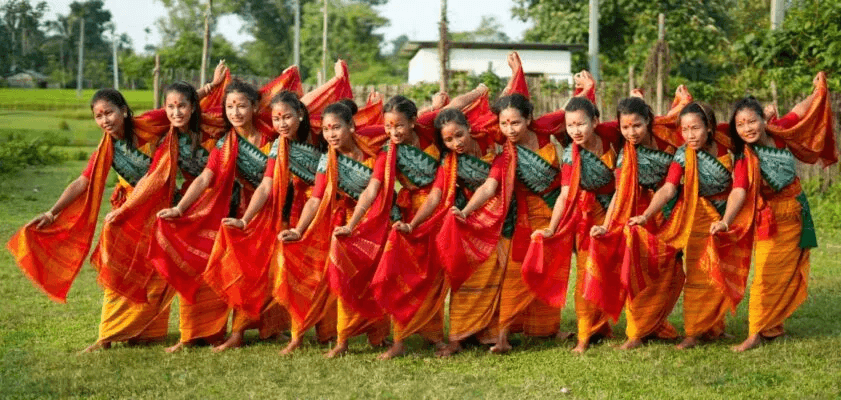
  1. Cultural Celebration: Bagurumba Doho

    • Significant cultural event showcasing Bodo traditions and heritage.
    • Aimed at promoting Assam's identity on a national and global platform.
  2. Recognition of Bodo Heritage

    • Bodo language declared the "Associate Official Language" in Assam.
    • Establishment of a separate directorate for Bodo education implemented to support the language.
  3. Government Schemes and Policies

    • Launch of the Bodo-Kachari Welfare Autonomous Council.
    • ₹1500 Crore Special Development Package for the Bodoland area aimed at infrastructure and community welfare.
    • Establishment of various educational institutions (medical colleges, polytechnic institutes) to enhance opportunities for youth.
    • State Holiday declared for Bathou Puja to honor the Bodo religious tradition.
  4. Peace and Development Initiatives

    • The 2020 Bodo Peace Accord brought an end to longstanding conflicts and provided a framework for development and inclusion.
    • Thousands of youths have shifted from violence to mainstream development, highlighting a positive shift in the region.
  5. Judicial and Social Recognition

    • UNESCO recognition for Shoraideu Moidam as a World Heritage site.
    • Various cultural icons and figures honored, emphasizing the tradition of social reform and awareness in the Bodo community.
  6. Infrastructure Development

    • Government investments in highways and railways to connect remote areas (e.g., projects linking Kokrajhar with Bhutan).
    • Enhanced transportation is expected to promote trade and tourism, forming a part of the Act East Policy.
  7. Economic Indicators

    • Economic assistance has been provided to thousands of youth transitioning from conflict, fostering job creation and economic growth.
    • Ongoing initiatives emphasize development in sectors such as healthcare and education.
  8. Community Engagement and Future Vision

    • Emphasis on fostering youth involvement in culture, sports, and social initiatives, positioning Bodo youth as cultural ambassadors.
    • Positive shifts in societal behavior and perceptions, moving from violence to cultural expression.
  9. Political Backdrop

    • Criticism of Congress for past negligence in addressing the needs of Assam and Bodoland, linking political stability with socio-economic development.
    • Reference to historical neglect and the BJP's efforts to rectify these through active policy implementation and community engagement.
  10. Conclusion of Address

    • Assurance of continued governmental support for Bodo culture and community, aligning with Assam's growth narratives and India's overall progress.
    • Appeal for unity and collaborative efforts in the development journey of Assam and Bodoland.

These points encapsulate the multifaceted approach of the government towards cultural recognition, peace building, and infrastructural development in the Bodoland area, alongside promoting education and community welfare.

Key Terms & Concepts

Bodo cultural festival BagurumbaCelebrates Bodo heritage
Bodo Peace Accord 2020Ends long-standing conflict
UNESCO World Heritage listingGlobal recognition for Shoraideu Moidam
Bodo language official statusPromotes regional education
1500 crore special development packageBoosts Bodo region development
Medical college in KokrajharEnhances healthcare access
Bishmuri-Saralpara road projectConnects Kokrajhar to Bhutan
Act East PolicyAims to enhance trade
Cultural ambassadors from Bodo youthPromote Assam culture globally
Bodo-Kachari Welfare Autonomous CouncilFocused on Bodo community welfare

Mind Map for UPSC Civil Services Revision

Turn UPSC Civil Services Current Affairs Into Exam-Ready Notes

Reading National and International Importance current affairs is half the work. Revise them with ready-made notes and test what actually stuck.

  • Daily UPSC Civil Services current affairs analysis
  • Revision notes, mind maps & MCQs
  • Prelims mock tests with instant results

Related UPSC Civil Services Current Affairs Articles

HAL Delivers Advanced Aircraft to IAF
National and International Importance17-Sep-2026

HAL Delivers Advanced Aircraft to IAF

Exam-Focused Notes

Key Facts and Data:

  • Date of Event: September 18, 2026
  • Location: Bengaluru, Karnataka
  • Participants:
    • Defense Minister: Rajnath Singh
  • Civil Aviation Minister: K. Ram Mohan Naidu
  • Chief of Air Staff: Air Chief Marshal A.P. Singh
  • Other senior officials from the Ministry of Defence, Ministry of Civil Aviation, HAL, and regulatory agencies.
  • Constitutional References:

    • Self-Reliance in Defence: The event aligns with the constitutional commitment to promote self-reliance and indigenous capabilities in defense and aerospace sectors, reflecting the Directive Principles of State Policy (DPSP) to promote self-sufficiency.

    Government Schemes and Policies:

    • Atmanirbhar Bharat (Self-Reliant India): This initiative emphasizes the development of indigenous capabilities in various sectors, particularly in defense and aerospace.
    • Indigenous Design and Development: The government prioritizes the promotion of indigenous design, development, and manufacturing in the aerospace and defense sectors to reduce dependence on foreign sources.

    Defense Equipment Transferred:

    1. Light Combat Aircraft (LCA) Tejas:
      • Type: Twin-Seater Trainer
    2. HTT-40:
      • Type: Basic Trainer Aircraft
    3. Dhruv Next Generation (NG) Helicopter:
      • Transferred to Pawan Hans Limited (PHL)

    Economic Indicators:

    • Impact on Domestic Aerospace Ecosystem: The transfer of these aircraft is expected to strengthen the domestic aerospace ecosystem, enhancing industrial capabilities and promoting economic growth within the sector.

    International and National Importance:

    • Strengthening Defense Capabilities: The event marks a significant milestone in India's journey towards self-reliance in defense manufacturing, showcasing the country's growing capabilities in designing and producing advanced platforms for both civilian and military use.

    Science and Technology:

    • Advancements in Aerospace Technologies: The event is indicative of the advancements in aerospace technologies and reflects the increasing role of the industry in national defense.
    • Role of HAL: Hindustan Aeronautics Limited (HAL) plays a crucial role in the design, development, and production of defense and aerospace platforms, highlighting the importance of public sector undertakings in achieving self-reliance.

    Summary:

    The handover of the LCA Tejas twin-seater trainer, HTT-40 basic trainer aircraft, and Dhruv NG helicopter on September 18, 2026, in Bengaluru is a pivotal moment for India's defense sector, reinforcing the government’s commitment to self-reliance through indigenous manufacturing and development in aerospace. This initiative is part of the Atmanirbhar Bharat policy, aimed at reducing dependence on foreign technology and enhancing domestic capabilities. The event will be attended by key officials from various ministries and represents a significant step in India's defense manufacturing journey.

    BRICS Summit Addresses Health Challenges
    National and International Importance16-Sep-2026

    BRICS Summit Addresses Health Challenges

    Exam-Focused Notes on BRICS Summit 2026 Outcomes

    Overview

    • The BRICS Summit 2026 focused on security, trade, and the economy, but also addressed emerging health risks among its population, amidst significant differences in development stages among member countries.

    Key Initiatives

    1. BRICS Mission for Healthy Lifestyle

      • Emphasis on preventive health with the endorsement of a roadmap for promoting healthy lifestyles from 2026-2029.
      • Introduction of a Compendium of Replicable Best Practices on Healthy Lifestyle, aiming to share successful health strategies among member nations.
    2. Focus Areas

      • Shift towards a comprehensive understanding of nutrition that extends beyond food availability to include diet quality and lifestyle.

    Health Challenges in BRICS Nations

    • Member countries face diverse health challenges:
      • Ethiopia: Food insecurity and undernutrition remain critical issues.
      • India and Indonesia: High levels of maternal and child undernutrition alongside increasing rates of obesity and non-communicable diseases (NCDs).
      • China and Brazil: Progress in reducing undernutrition but rising diet-related diseases such as diabetes and hypertension.
      • Gulf Countries: Major public health concerns centered around obesity and diabetes prevalence.

    Socioeconomic Factors

    • Economic growth and urbanization leading to shifts in dietary habits:
      • Traditional diets are increasingly replaced by processed and convenience foods.
      • Increased dining out and online food orders with decreasing physical activity among children.

    Policy Response

    • Current nutrition policies focus on:
      • Hunger alleviation.
      • Nutritional support during the critical 1,000 days from conception to two years.
    • Highlighted need for integrated approaches linking agriculture, food production, nutrition, and health systems.

    Future Directions

    • Poshan Maah: India's initiative emphasizing nutritional health while extending focus to adolescents and lifelong healthy habits.
    • Schools identified as vital institutions in promoting preventive health, requiring:
      • Integration of nutrition education, healthy meal regulations, and physical activity into daily curriculum.

    Action Points

    • Member countries encouraged to leverage the BRICS framework for actionable health policies.
    • Urgent need to transition alongside existing challenges like hunger, towards enabling better food and lifestyle choices for sustainable health.

    Conclusion

    • The BRICS Summit has opened avenues for a unified approach to tackle both hunger and the dual burden of undernutrition and lifestyle-related diseases, emphasizing the need for cohesive actions in public health strategy.
    Catch the Rain Anthem Launch
    National and International Importance15-Sep-2026

    Catch the Rain Anthem Launch

    Summary of "जल संचय जन भागीदारी – कैच द रेन" Anthem Launch

    Event Overview:

    • The Ministry of Jal Shakti launched the anthem "जल संचय जन भागीदारी – कैच द रेन" to promote water conservation and rainwater harvesting through public participation.

    Key Features:

    • The anthem is performed by renowned singer-composer Shankar Mahadevan.
    • Central message: "Catch the rain – where it falls, when it falls," emphasizing the collective responsibility of citizens in water conservation.

    Objectives:

    • To transform the campaign into a people-led movement rather than just a government initiative.
    • Encourages the construction and revitalization of rainwater harvesting and groundwater recharge structures.
    • Aims to engage every citizen, family, community, institution, local body, and industry in water conservation efforts.

    Target Audience:

    • The anthem aims to reach every village, town, school, and household, particularly inspiring youth to become ambassadors for water conservation.

    Message:

    • Highlights the importance of water conservation and encourages making it a part of daily life.
    • Each drop of conserved rainwater contributes to stronger groundwater reserves and a water-secure future.

    Call to Action:

    • The Ministry urges citizens to join the campaign and embody the anthem's message in their daily practices.
    • Promotes the idea that water conservation should be a habit and lifestyle, thereby creating a genuine public movement for water sustainability.

    Significance:

    • The initiative aligns with India's broader goals for sustainable water management and environmental conservation.
    • Reinforces the notion that water is life and emphasizes shared responsibility across all sectors of society.

    Conclusion

    The anthem serves as a motivational tool to foster collective action towards water conservation, aiming to secure a sustainable water future for India.

    India-US Joint Military Exercise 2026
    National and International Importance15-Sep-2026

    India-US Joint Military Exercise 2026

    India-U.S. Joint Military Exercise "Yudh Abhyas 2026"

    Overview:

    • The 22nd edition of the India-U.S. joint military exercise, "Yudh Abhyas 2026," commenced at the Auli Foreign Training Center, Uttarakhand.
    • The exercise also takes place simultaneously at the Mahajan Field Firing Range in Rajasthan.

    Participants:

    • Each side comprises 600 soldiers, with Major General Amresh Gunjan from the Indian Army's 14th Infantry Division and Colonel Benjamin Jackman from the U.S. Army's 11th Airborne Division addressing the troops.

    Objectives:

    • Enhance joint military capability in integrated battle groups for operations in mountainous and semi-mountainous terrains.
    • Focus on infantry-centric operations to improve interoperability and facilitate the exchange of best operational practices.
    • Strengthen joint planning and execution of military operations.

    Technological Integration:

    • Emphasis on incorporating technology, including the use of drones and autonomous systems for surveillance and reconnaissance tasks.
  • Demonstration of modern weapon systems at the Mahajan Field Firing Range.
  • Discussions among subject matter experts from both armies on emerging technologies and changes in multi-domain warfare.
  • Strategic Importance:

    • The exercise provides an opportunity for both armies to share strategies, technologies, and processes.
    • Aims to enhance their capability for coordinated military actions in diverse terrains and operational environments.

    Key Takeaways:

    • The exercise exemplifies India and the U.S.'s commitment to strengthening defense ties and improving operational readiness.
    • The integration of modern technology highlights the evolving nature of warfare and the need for adaptability in military strategies.

    This military exercise underscores the strategic partnership between India and the United States, with a focus on enhancing joint operational capabilities and adapting to new technological advancements in defense.