iAspirants
BRICS Delhi Summit Key Outcomes
Published on:
Source: Indian Express
Share this post
Article Summary
BRICS Delhi Summit Key Highlights
Date of Event: September 12-13, 2026
Participating Leaders:
- Prime Ministers and Presidents from 32 countries, including:
- Chinese President Xi Jinping
- Russian President Vladimir Putin
- Egyptian President Abdel Fattah El-Sisi
- Indonesian President Prabowo Subianto
- Iranian President Masoud Pezeshkian
- UAE Crown Prince Sheikh Khaled bin Mohammed bin Zayed Al Nahyan
- South African President Cyril Ramaphosa
- Saudi Arabia's Foreign Minister Prince Faisal bin Farhan Al Saud
- Ethiopian PM Abiy Ahmed Ali
Background:
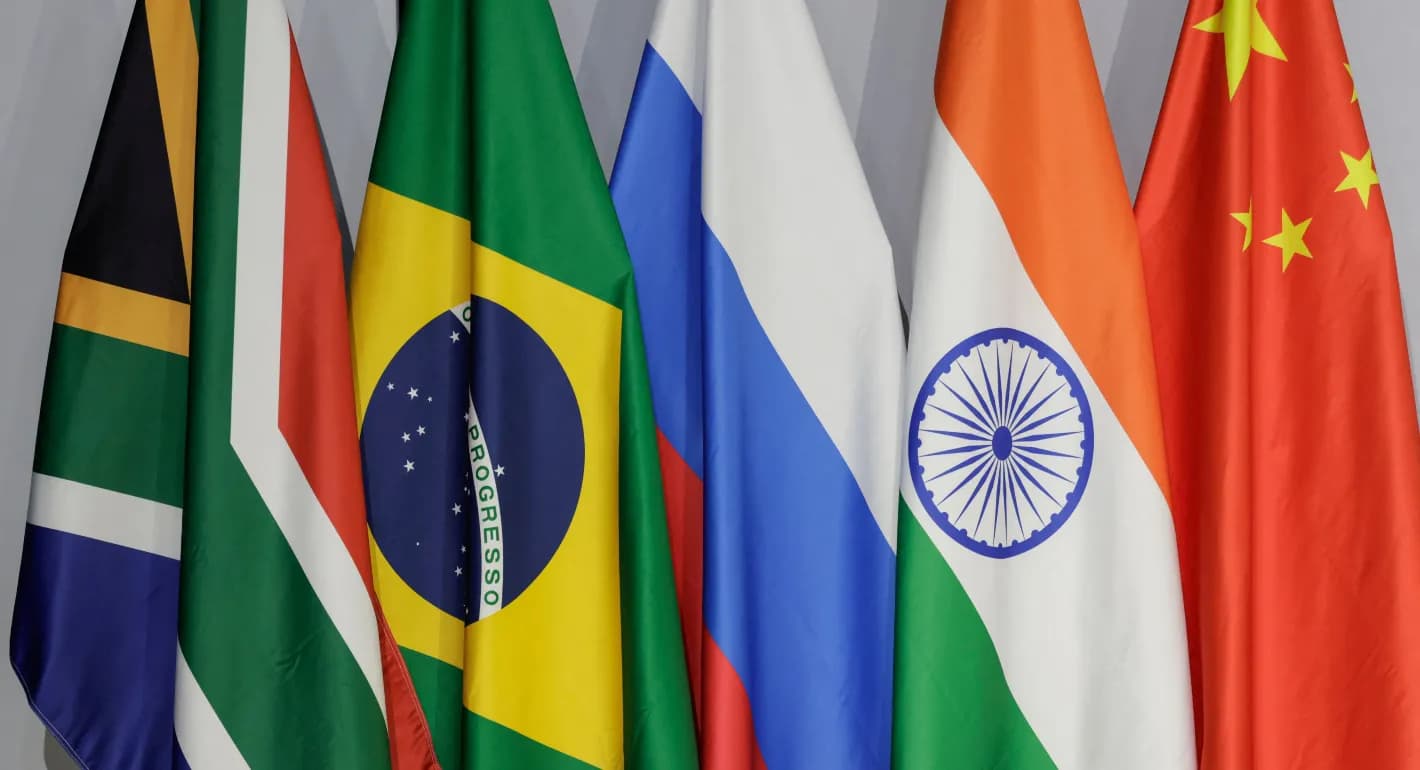
- BRICS includes Brazil, Russia, India, China, South Africa, and expanded in 2024 to include Egypt, Ethiopia, Iran, UAE, and Saudi Arabia. Indonesia joined in 2025.
Major Outcomes and Agreements:
Condemnation of Terrorism:
- BRICS countries agreed on unequivocal condemnation of terrorism in all forms and pledged to combat it collectively.
Support for Global Governance Reform:
- Consensus reached on the need to reform international institutions and enhance multilateralism, supporting India's bid for a permanent seat on the UN Security Council.
Focus on the Global South:
- BRICS aimed to be a stronger voice for the Global South, ensuring their perspectives are reflected in the global order.
Development Cooperation:
- Commitment to share developmental experiences with Global South nations.
India’s Chairmanship:
- India’s BRICS chairmanship emphasized a people-centric approach, with outcomes aimed at empowering various communities including women, farmers, and entrepreneurs.
Positioning BRICS as a Dialogue Platform:
- The summit promoted BRICS as a platform for constructive dialogue and cooperation among member states.
Development-Oriented Frameworks:
- Over 50 tangible outcomes planned, focusing on collaboration across four pillars: resilience, innovation, cooperation, and sustainability.
Engagement Initiatives:
- The summit was characterized as a “whole-of-nation effort” involving various sectors and institutions across 30 cities.
Ongoing Participation:
- Robust year-long participation illustrated India's ability to convene and build consensus with over 400 planned meetings across diverse sectors.
Economic Representation:
- BRICS represents approximately 49.5% of the world population, 40% of global GDP, and 26% of global trade.
Additional Considerations:
- Diplomatic Context: Ongoing discussions on language framing related to the West Asia conflict reflected divisions among member states, particularly Iran and UAE.
- International Significance: The summit was indicative of BRICS's growing influence in global affairs as a coalition of emerging economies.
Implications:
- The outcomes and collective agreements reflect a shift towards more inclusive global governance, enhancing the role of emerging economies in international policymaking.
- The focus on development and cooperation among member states suggests a long-term strategy for economic collaboration and humanitarian efforts within the Global South.
The BRICS Delhi Summit sets a precedent for future engagements, reinforcing the alliance's intent to address pressing global issues collaboratively.
Key Terms & Concepts
| BRICS | International economic grouping |
| New Delhi | Host city for summit |
| UN Security Council | India's governance bid support |
| Global South | Target demographic for development |
| September 12-13, 2026 | Date of the summit |
| 50 tangible outcomes | Agreed frameworks and actions |
| 40% of global GDP | BRICS economic representation |
| 49.5% of global population | BRICS demographic representation |
| 26% of global trade | BRICS trade representation |
| 10 takeaways | Key points from summit |