iAspirants
BRICS Meeting Discusses Middle East Conflict
Published on:
Share this post
Article Summary
Summary of Key Points from the BRICS Meeting on Middle East Conflict
International Relations & Multilateral Diplomacy
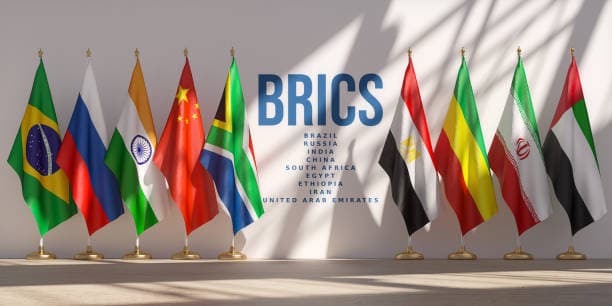
- BRICS Grouping: Comprises Brazil, Russia, India, China, South Africa (original five), and new entrants including Egypt, Ethiopia, Iran, Saudi Arabia, UAE, and Indonesia.
- Host Presidency: India holds the BRICS rotational presidency for 2026.
- Chair's Summary: Issued due to lack of consensus among members regarding the US-Israel conflict in Iran. It reflects member concerns but lacks unanimous agreement like a joint statement.
Key Discussions on Middle East Situation
- Date of Meeting: BRICS Deputy Foreign Ministers met on April 24, 2026, in New Delhi.
- Topics Discussed:
- The Palestinian issue and the situation in Gaza.
- Humanitarian Aid and the role of UNRWA.
- Zero-tolerance approach to terrorism.
- Ceasefire in Lebanon and attacks on UNIFIL.
- Post-conflict reconstruction and rehabilitation in Syria.
- Political settlements in Yemen, Iraq, and Libya.
- Addressing the humanitarian crisis in Sudan.
Future Engagements
- Next Meeting Planned: Under China’s chairship in 2027.
- Upcoming BRICS Foreign Ministers’ Meeting: Scheduled for May 14-15, 2026, with participants including Chinese Foreign Minister Wang Yi and Russian Foreign Minister Sergey Lavrov.
Diplomatic Challenges for India
- Consensus Challenges: Difficulty in achieving a common BRICS position due to the involvement of member countries in the current West Asia conflict.
- India’s Neutral Stance: India aims to maintain a neutral position amidst difficult diplomacy involving member states like Saudi Arabia and UAE, which host US military bases and are targeted by Iranian assaults.
Government Statement
- Ministry of External Affairs (MEA): Highlighted the challenges of forming a consensus due to direct member involvement in the conflict. Official spokesperson indicated ongoing engagement with BRICS leaders for collective discussions.
Contextual Background
- Regional Conflict Dynamics: The involvement of BRICS member states complicates diplomatic navigation, especially regarding military and humanitarian dynamics in the Middle East.
- Iran's Stance: Iran had previously approached India for a BRICS statement condemning US-Israel actions, reflecting regional geopolitical tensions.
Conclusion
- India is working proactively to engage BRICS members and facilitate discussions crucial for determining collective stances on regional conflicts affecting the wider international community. A focused strategy is essential for India's role as the BRICS chair amidst these challenges.
Key Terms & Concepts
| BRICS | International grouping of nations |
| Iran | Country involved in conflict |
| Middle East | Region of ongoing conflict |
| UNRWA | Agency for Palestinian refugees |
| Lebanon | Country discussing ceasefire |
| Syria | Post-conflict reconstruction efforts |
| Yemen | Political settlement needed |
| Libya | Political process engaged |
| Sudan | Humanitarian crisis addressed |
| Gaza | Humanitarian aid provision |
| Saudi Arabia | BRICS member involved in conflict |
| UAE | BRICS member with US bases |
| China | Expected future chair |