iAspirants
BRICS Opposes Unilateral Climate Measures
Published on:
Source: The Hindu
Share this post
Article Summary
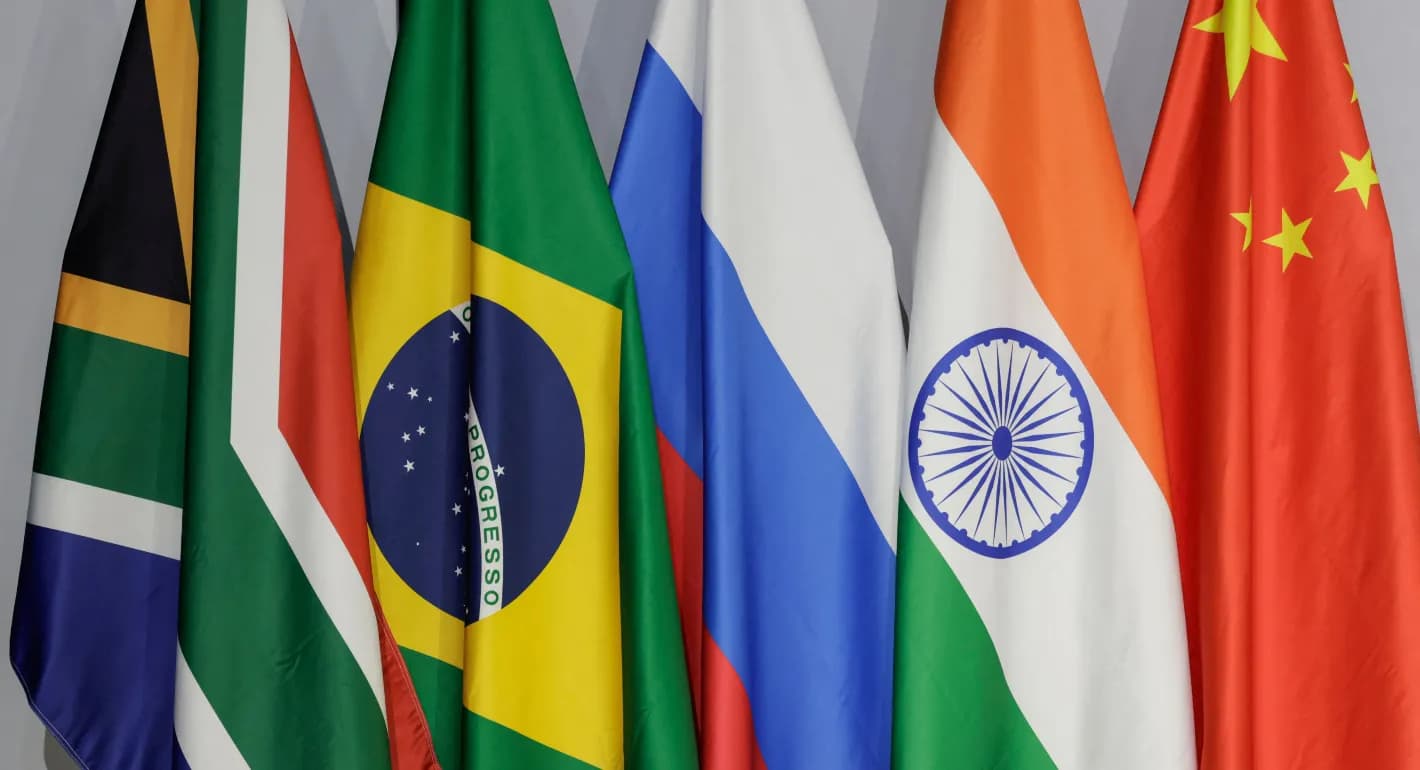
BRICS Environment Ministers' Meeting: Held in New Delhi, chaired by India; focused on climate measures and adaptation finance to support developing countries.
Unilateral Climate Measures: BRICS countries opposed such measures, particularly the European Union's Carbon Border Adjustment Mechanisms (CBAMs), described as “punitive, discriminatory, and protectionist.”
Carbon Border Adjustment Mechanisms (CBAM): Implemented by the EU from January 1, 2026. Requires importers of carbon-intensive products (e.g., iron, steel, aluminum, cement, fertilizers, hydrogen, and electricity) to account for production-related carbon emissions. Intended to prevent "carbon leakage," wherein businesses relocate production to avoid stringent climate policies.
Impact on India: Indian steel exports significantly affected as they comprise about 90% of exports to the EU under CBAM. A study in Nature Climate Change (June 2026) indicated that high-emission Indian steel firms faced reduced export quantities and revenues during CBAM's reporting phase, while lower-emission firms maintained export levels.
Adaptation Finance: BRICS Ministers emphasized the need for developed countries to increase adaptation finance, proposed to be “new, additional, predictable, adequate, and accessible." Specifically urged for compliance with the commitment made at the 2025 UN climate conference to triple adaptation funds for developing countries by 2035.
Definition of Adaptation Finance: Aimed at helping communities cope with unavoidable climate impacts (e.g., strengthening water security, agriculture, infrastructure, disaster preparedness), contrasting with mitigation finance focused on reducing greenhouse gas emissions.
Upcoming COP31: The UN Climate Conference (COP31) is scheduled for November in Turkey. Adaptation finance key topic, previously unresolved in Bonn talks prior to COP discussions.
Challenges for Developing Countries: The BRICS statement highlighted that access to adaptation finance should be simplified, with calls for tracking the delivery and impact of financial support.
Climate Vulnerability in India: India's climate-finance requirements are increasingly about adapting to climate change impacts like heatwaves, erratic rainfall, floods, and droughts, reflecting historical underfunding in adaptation compared to mitigation efforts.
These points capture the essence of the BRICS meeting, its emphasis on fair climate measures, and the urgent need for increased adaptation finance to help developing nations address climate vulnerabilities.
Key Terms & Concepts
| BRICS | Group opposing climate measures |
| EU's Carbon Border Adjustment Mechanisms (CBAM) | Climate measure causing concern |
| New Delhi | Location of the meeting |
| January 1, 2026 | Start date of CBAM implementation |
| 90% | Percentage of India's steel exports to EU |
| UN climate conference 2025 | Event for adaptation finance commitment |
| 2035 | Deadline for tripling adaptation finance |
| COP31 | Upcoming climate conference |
| Nature Climate Change | Source of analysis on steel exports |
| Adaptation finance | Funding for climate resilience |
| Mitigation finance | Funding for reducing emissions |