iAspirants
Buddha Gaya Temple Control Meeting
Published on:
Share this post
Article Summary
Summary Notes: Control of Buddha Gaya Temple
Historical Context:
- The agitation for Buddhist control over the Buddha Gaya temple began in 1891. This historical effort highlights the long-standing desire of the Buddhist community to gain authority over significant religious sites.
Committee and Meetings:
- A meeting was held on 3rd February at Olcott Memorial Hall, Ananda College, to discuss the Indian Committee’s Report regarding the Buddha Gaya temple.
- The meeting was presided over by Rev. Kahave Ratnasara, High Priest of the Maligakanda Temple, with significant participation from various Buddhist Associations.
Role of the Indian National Congress:
- As a result of persistent agitation, the Indian National Congress established a Sub-Committee to investigate the issues surrounding the control of the Buddha Gaya temple. This reflects the political mobilization and support from larger national entities to the rights of religious communities.
Buddhism and National Identity:
- The struggle for control of Buddha Gaya symbolizes broader themes related to nationalism, religious identity, and the assertion of rights by community groups within India, contributing to India’s socio-religious landscape.
Significance of Buddha Gaya:
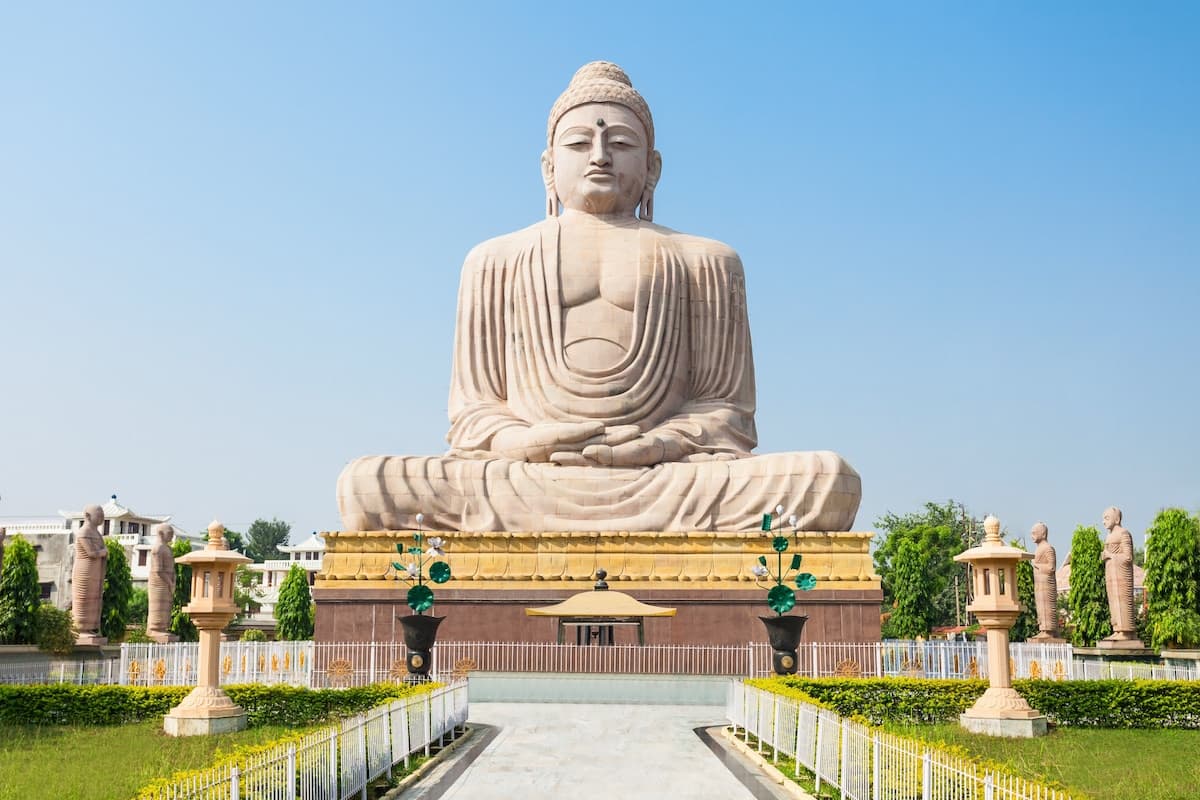
- Buddha Gaya is a major pilgrimage site for Buddhists worldwide, holding historical and spiritual significance as the location where Gautama Buddha attained enlightenment.
Impact on Policy and Governance:
- The movement has implications for how religious sites are governed in India and can influence future policies regarding the management and control of religious places by respective communities.
This summary presents a condensed view of the significance and historical background of efforts regarding the control of Buddha Gaya temple, reflecting its religious, political, and social dimensions.
Key Terms & Concepts
| Buddha Gaya temple | Religious and historical site |
| Indian National Congress | Political party involved |
| 1891 | Year of agitation start |
| Sub-Committee | Formed for enquiry |
| Rev. Kahave Ratnasara | Presiding over meeting |
| Maligakanda Temple | Temple related to meeting |
| Olcott Memorial Hall | Venue of the meeting |
| Ananda College | Location of Olcott Hall |