iAspirants
Buddhism's Impact on Indian Culture
Published on:
Share this post
Article Summary
Key Highlights on Buddhism and its Impact
Historical and Philosophical Foundations
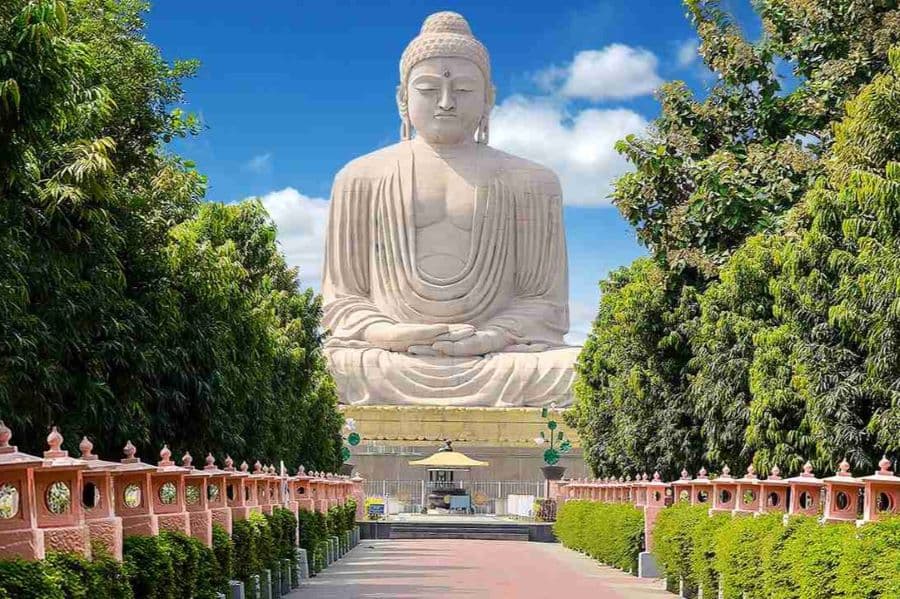
- Birth of Buddhism: Siddhartha Gautama (Buddha) attained enlightenment under the Bodhi tree at Bodh Gaya, promoting the Four Noble Truths and the Eightfold Path.
- Four Noble Truths:
- There is suffering.
- Desire is the root cause of suffering.
- Eliminating desire can overcome suffering.
- The Eightfold Path leads to a life free from suffering.
Teachings and Influence
- Emphasis on peace, love, non-violence, and truthfulness.
- Promotion of ethical living and spiritual awakening.
- Buddha's teachings significantly influenced Emperor Ashoka, who became a proponent of peace, spreading Buddhist principles through inscriptions and stupas.
Cultural Contributions
- Tamil Literature: Texts like Manimekalai and Kundalakesi beautifully reflect Buddhist philosophy.
- Education: Establishment of renowned educational institutions, such as Nalanda University (5th century), which housed about 10,000 students and 1,500 teachers. Other notable universities included Vikramashila and Odantapuri.
Spread of Buddhism
- Emperor Ashoka's efforts extended Buddhism across Asia; his son Mahinda spread it to Sri Lanka.
- Buddhist monks provided medical care and education, enhancing community welfare and charity.
Modern Relevance
- Notable quotes from Prime Minister Narendra Modi highlight the contemporary significance of Buddha's teachings, especially concerning internal peace amidst global tensions.
- The ongoing relevance of Buddha’s teachings, with a focus on self-discovery and compassion.
International Recognition
- The lion capital at Sarnath serves as India's national emblem, symbolizing the historical importance of Buddhism.
- Buddhist architecture and stupas, particularly in Sanchi and Sarnath, attract international visitors.
Societal Impact
- Non-discrimination in education and healthcare provided by monks.
- Stress on lifelong learning cultivated a culture of knowledge and compassion, bridging social divides.
Constitution and Values
- Recognition of cultural continuity where all religions coexist harmoniously in India, reflecting secular values embedded in the Constitution.
Conclusion
Buddhism’s emphasis on ethical conduct, education, and compassion continues to guide societal norms and individual conduct in modern contexts, affirming its foundational role in India's cultural heritage and identity.
Key Terms & Concepts
| Buddhism | Promoted peace and self-awareness |
| Lord Buddha | Foundational figure of Buddhism |
| Four Noble Truths | Core teachings of Buddhism |
| Eightfold Path | Path to end suffering |
| King Bimbisara | Supporter of Buddhism |
| Magadha | Region influential in Buddhism |
| Sarnath | Site of Buddha's first sermon |
| Nalanda University | Ancient center of Buddhist learning |
| Faxian | Chinese monk studying Buddhism |
| Xuanzang | Buddhism scholar from China |
| Ashoka | Emperor who spread Buddhism |
| Bodhi tree | Location of Buddha's enlightenment |
| Stupas at Sanchi and Sarnath |