iAspirants
Current AffairsPrelims PYQsUPSC CSE SyllabusUPSC CSE StrategyBlogsPricing
Login
iAspirants
Current AffairsPrelims PYQsUPSC CSE SyllabusUPSC CSE StrategyBlogsPricingContact UsLoginSignUp
iAspirants

Your AI-powered companion for UPSC preparation.

Study Resources

  • Current Affairs
  • Prelims PYQs
  • UPSC CSE Syllabus
  • UPSC CSE Strategy
  • Blogs

Practice & Plans

  • Mains Answer Evaluation
  • Pricing
  • Sign Up
  • Login

Company

  • Home
  • About Us
  • Contact Us
  • FAQs

Legal

  • Privacy Policy
  • Terms & Conditions
  • Return Policy

© 2026 iAspirants, Inc. All rights reserved.

  1. Blogs
  2. Polity and Governance

Bulk Deletion of Voter Names Incident

Published on: 01-Oct-2026

Source: The Hindu

Share this post

Bulk Deletion of Voter Names Incident

Article Summary

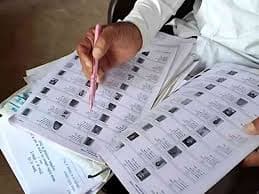
  • Incident Summary: Allegations arose in Belagavi North Assembly constituency regarding the systematic targeting and attempt to delete names of Muslim voters from electoral rolls through manipulation of Form-7 applications.

  • Details of the Incident:

    • Location: Veerabhadra Urdu Model School and Government Kannada Higher Primary School, Belagavi.
    • Actors Involved: Two unidentified men posed as officials from the Belagavi City Corporation and allegedly brought bulk Form-7 applications.
    • Nature of Applications: Pre-filled applications sought deletion of names of Muslims, with objectors’ details either handwritten or left blank.
    • Election Officials’ Response: Booth Level Officers (BLOs) refused to sign the applications as they recognized the voters involved; one BLO reported receiving a phone call from someone impersonating the Electoral Registration Officer (ERO), Udayakumar Basavantappa Talawar, pressuring them to comply.
  • Constitutional Reference: The right to vote is safeguarded under Articles 326 and 328 of the Indian Constitution, ensuring free and fair elections.

  • Electoral Process:

    • Verification: ERO Talawar stated he did not issue any instructions for such deletions, supporting the BLOs’ claims.
    • Claims and Objections Period: Continued unauthorized attempts to delete names even after the September 23 deadline; noted 1,131 applications were received from September 24-29, with 1,123 being bulk filings.
  • Impact on Voter Integrity: The situation showcases potential voter suppression tactics, particularly targeting the Muslim community, undermining electoral integrity.

  • Responses: Local residents reported the issue to local MLA Asif Sait and his son, Congress worker Amaan Sait, who further investigated the authenticity of the forms.

  • Emerging Patterns: Reports suggest a similar trend of deletion applications in Bhalki beyond the registration deadlines, indicating an organized effort.

  • Statistical Data: Of 1,131 applications filed post-deadline, 1,123 were bulk submissions, reflecting a coordinated initiative potentially aimed at disenfranchising voters.

  • Final Electoral Roll Publication: Updates to the electoral rolls are set to be published on October 27, indicating a crucial upcoming date for electoral validation.

  • Judicial and Administrative Oversight: Continuous oversight through vigilant Electoral Officers and the necessity for accountability in handling electronic voter registration processes highlighted.

  • Political Implications: Events like these highlight the importance of vigilance in electoral processes, particularly concerning minority rights and adherence to democratic processes outlined in the constitution.

In conclusion, the incident illustrates potential electoral misconduct needing immediate attention from regulatory bodies to ensure voter rights are protected, especially in sensitive socio-political contexts.

Key Terms & Concepts

Belagavi North AssemblyPolling constituency involved
Form-7 applicationsUsed for voter deletion requests
Belagavi City CorporationClaimed affiliation of men
Electoral Registration Officer (ERO)Position falsely claimed
1,131 applicationsTotal submitted post claims period
October 27Date for final electoral rolls
Chief Electoral Officer (CEO) V. Anbu KumarOfficial not available for comment
Form-10 reportStatistical report of applications
September 23Deadline for claims and objections
Dr. Ravi Patil HospitalAllegedly claimed by men

Mind Map for UPSC Civil Services Revision

Turn UPSC Civil Services Current Affairs Into Exam-Ready Notes

Reading Polity and Governance current affairs is half the work. Revise them with ready-made notes and test what actually stuck.

  • Daily UPSC Civil Services current affairs analysis
  • Revision notes, mind maps & MCQs
  • Prelims mock tests with instant results

Related UPSC Civil Services Current Affairs Articles

YMCA Launches IAS Academy for Disabled
Polity and Governance15-Nov-2026

YMCA Launches IAS Academy for Disabled

Highlights on IAS Academy for Persons with Disabilities

Initiative Overview:

  • YMCA Madras launched an IAS Academy specifically for training persons with speech and hearing disabilities to prepare for civil services examinations.
  • Location: YMCA Building on NSC Bose Road, Chennai.
  • First batch comprises 50 students, 43 of whom are speech and hearing impaired.
Practise Mains answer writingUpload a handwritten answer and get it evaluated
  • Partnership with St. Louis Institute for the Deaf and the Blind in Adyar for student support.
  • Support Mechanisms:

    • Utilization of sign language specialists for effective communication.
    • Employment of real-time transcription software for converting speech to text.

    YMCA's MY Institute Project:

    • Focuses on providing comprehensive academic support, skill development programs, sports, and cultural activities for students with disabilities.

    Judicial and Government Support:

    • Justice P.T. Asha from Madras High Court emphasized the important role of civil servants and the responsibility of IAS officers to maintain continuity in governance across political changes.

    Preparation Guidance:

    • Advice from Irai Anbu, former Chief Secretary of Tamil Nadu:
      • Structured preparation is essential.
      • Recommend 12 hours of study per day over a span of 400 days for effective civil services examination preparation.

    Disability Statistics:

    • Based on the 2011 Census:
      • Tamil Nadu has approximately:
        • 220,024 individuals with hearing impairment.
        • 80,077 individuals with speech impairment.
        • 92,796 individuals with both speech and hearing disabilities.

    Key Figures:

    • 50 students enrolled in the first batch.
    • Estimated population of individuals with disabilities in Tamil Nadu provides context for the need for such initiatives.

    Implications:

    • This academy represents a significant step towards inclusivity in civil services, aligning with constitutional principles of equality and non-discrimination.
    • It caters to the provisions prescribed under Article 14 (right to equality) and articles addressing the rights of persons with disabilities in India.

    Conclusion:

    The IAS Academy for persons with disabilities spearheaded by YMCA Madras not only addresses an essential educational gap but also enhances opportunities for marginalized communities to participate in civil governance, reflecting a broader commitment towards inclusivity and empowerment.

    Key Issues in Voter Registration
    Polity and Governance14-Nov-2026

    Key Issues in Voter Registration

    Election Commission of India (ECI) - National Voters Day (NVD) 2027 Overview

    • Voter Helpline Number: 1950, established on January 25, coinciding with the birth of India as a Republic.

    • National Voters Day (NVD):

      • Observed annually since 2011 on January 25 to promote voter awareness and distribute Elector Photo Identity Cards (EPIC) to first-time voters.
      • International conference hosted on January 24, 2027, involving election management bodies from various countries.
    • Special Intensive Revision (SIR):

      • A controversial exercise aimed at updating electoral rolls which some argue led to mass deletions.
      • ECI reported approximately 2.8 crore names were removed as “dead,” indicating prior incompetence by election commissions.
    • Judicial System's Burden:

      • The Supreme Court (SC) is overseeing significant legal challenges arising from the SIR, which has led to difficulties for judicial officers in West Bengal dealing with voter reinstatement.
    • Electoral Roll Management:

      • Issues include misclassifications of electors (absent, shifted) leading to disenfranchisement.
      • SIR’s methodology involved identifying discrepancies between current and past electoral rolls (from 2002), which led to unlawful deletions.
    • Form Utilization:

      • Form 6: Used for voter registration.
      • Form 7: Used for deletion of undesired names, resulting in reputational harm to the ECI.
      • Form 8: Facilitated name changes without traceability, termed as the "Pilibhit model of purgation."
    • Current Challenges:

      • ECI must address issues of disenfranchisement and regain public trust, possibly revisiting the legislative framework that grants them immunity from prosecution.
      • A need for transparency in how decisions affecting voter rights are made.
    • Constitutional References:

      • Article 324: Relates to the powers of the ECI regarding the conduct of elections.
      • November 26: Significant date marking the adoption of the Indian Constitution, emphasizing accountability in line with constitutional responsibilities.

    Recommendations for ECI:

    • Public Acknowledgment:

      • Potentially apologizing for lapses in maintaining electoral integrity.
      • Ensuring that all eligible voters are adequately reinstated before the next elections.
    • Future Strategy:

      • Revitalize the Special Summary Revision (SSR) process to achieve the objectives initially set out by the SIR.
    • Examining Law:

      • Evaluate existing laws that provide lifelong immunity to ECI officials to uphold accountability.

    Conclusion:

    The ECI faces significant scrutiny over its handling of electoral rolls, particularly regarding the SIR. To restore trust and legitimacy, a reevaluation of its processes and engagements with voters is critical, aligning actions with constitutional mandates to safeguard voting rights in India.

    Digital News Publishers Ethical Code
    Polity and Governance13-Nov-2026

    Digital News Publishers Ethical Code

    Digital News Publishers Association Code of Ethics Summary

    1. Constitutional References:

      • Commitment to Article 19 (1)(a) of the Constitution of India, which guarantees the right to freedom of speech and expression.
      • Code aligns with over 30 laws relating to media, including provisions in the Indian Penal Code (IPC), Criminal Procedure Code (CrPC), and the Information Technology Act, 2000.
    2. Code Objectives:

      • Establish high standards and ethics in digital news publishing.
      • Ensure editorial and content independence of publishers.
      • Promote accuracy, transparency, and fairness in news reporting.
    3. Key Precepts:

      • Legal Compliance: Adhere to applicable laws, ensuring responsible journalism.
      • Accuracy and Verification: Mandatory pre-publication verification to avoid misinformation. Defamation should be eschewed.
      • Right of Reply: Incorporate comments or versions from affected parties regarding allegations made in news reports.
      • Error Correction: Mechanism for editing or deleting reports found to be inaccurate upon verification by concerned parties.
    4. Intellectual Property Rights:

      • Respect copyrights and obtain permissions for use of copyrighted material.
      • Ensure acknowledgment of ownership rights. Use of trademarks should also follow legal protocols.
    5. Reporting Sensitivity:

      • Presumption of Innocence: Maintain neutrality when reporting sensational matters or crimes.
      • Special Care in Sensitive Cases: Pay special attention to cases involving minors, sexual offences, communal disputes, and related sensitive topics, adhering to Sections 67, 67A, and 67B of the Information Technology Act.
    6. Grievance Redressal:

      • Follow the grievance redressal mechanism as per the Information Technology (Intermediary Guidelines) Rules, 2011.
      • Appoint grievance officers to address complaints promptly (within 36 hours acknowledgment and one month resolution).
    7. Training and Awareness:

      • Conduct regular training for editorial staff on laws related to journalism, including, but not limited to:
        • The Indecent Representation of Women (Prohibition) Act.
        • Copyright Act.
        • Right to Information Act.
        • Juvenile Justice Act and POCSO (Protection of Children from Sexual Offences).
      • Emphasize the importance of protecting identity in sensitive cases (e.g., minors, victims of sexual crimes).
    8. Judicial Reporting:

      • Ensure accurate reporting of court hearings and judicial matters.
      • Maintain objectivity and respect privacy, especially concerning non-public figures.
    9. Promotion of Communal Harmony:

      • Ensure that news coverage regarding communal or religious issues promotes peace and amity, involving strict verification of facts prior to publication.

    This code reflects an advocacy for ethical practices in digital journalism, balancing the exercise of constitutionally mandated freedoms with responsible reporting and adherence to legal frameworks.