iAspirants
Current AffairsPrelims PYQsUPSC CSE SyllabusUPSC CSE StrategyBlogsPricing
Login
iAspirants

Your AI-powered companion for UPSC preparation.

Quick Links

  • Home
  • About Us
  • Current Affairs
  • Prelims PYQs
  • UPSC CSE Syllabus
  • UPSC CSE Strategy
  • Blogs

Company

  • Pricing
  • FAQs
  • Contact Us
  • Login

Legal

  • Privacy Policy
  • Terms & Conditions
  • Return Policy

© 2025 iAspirants, Inc. All rights reserved.

  1. Blogs
  2. Polity and Governance

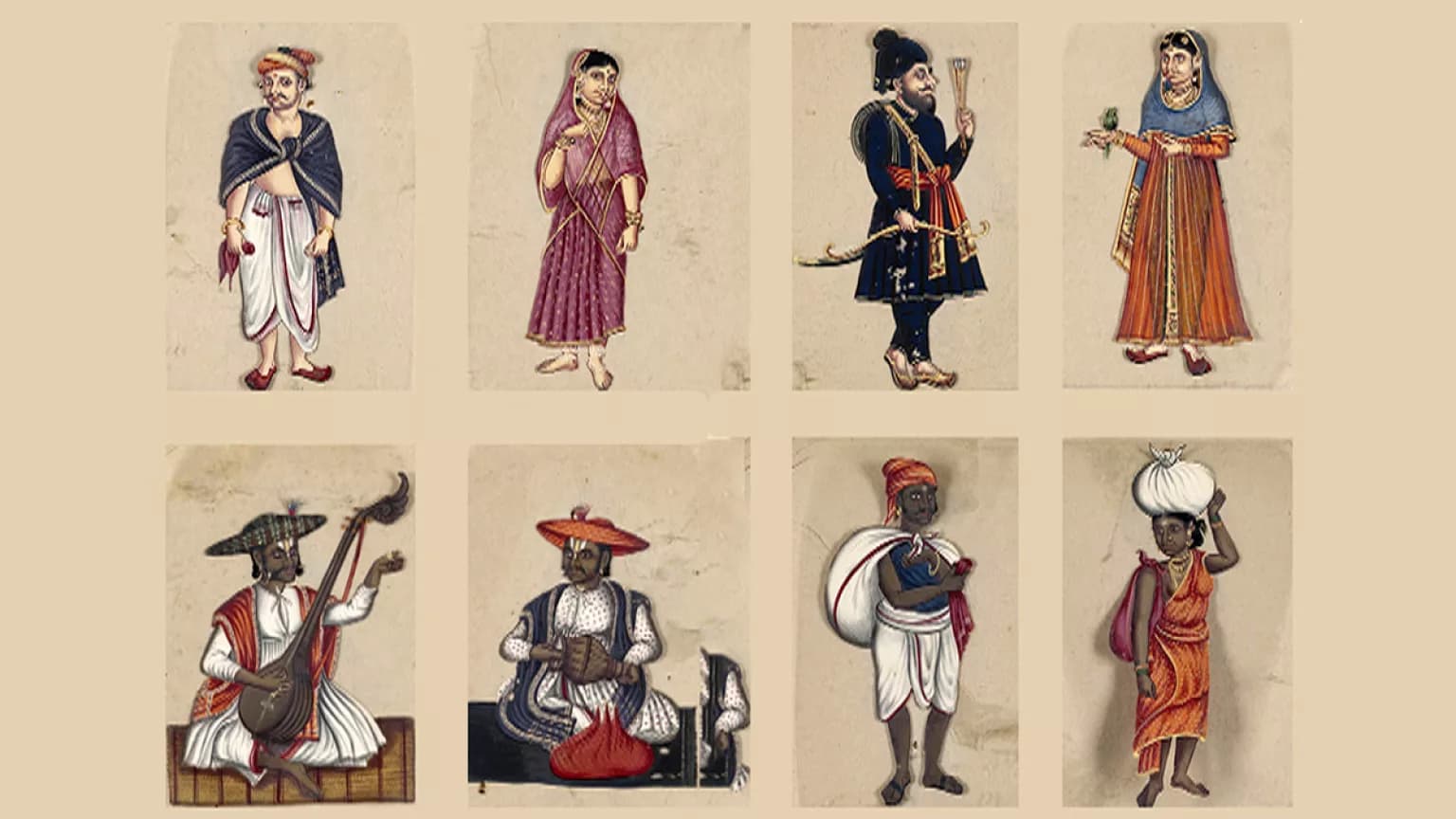
Caste System and Scientific Understanding

Published on: 08-Sep-2026

Share this post

Caste System and Scientific Understanding

Article Summary

Exam-Focused Notes on Caste System and Constitutional Principles

Constitutional References:

  • Fundamental Rights: Indian Constitution guarantees rights that are inherent to all individuals, irrespective of their social hierarchy (Articles 12-35).
  • Principle of Equality: Enshrined in Article 14, reinforcing that every individual is equal before the law and entitled to equal protection.

Historical Context:

  • Magna Carta & English Bill of Rights: Emphasized the transition from hereditary privilege to individual rights, influencing modern constitutional democracies and highlighting the disparity with hereditary caste systems.
  • Manusmriti Principles: Traditional text that underlines caste roles based on birth, contrasting contemporary legal frameworks which advocate equal rights for all.

Government Schemes and Policies:

  • Scheduled Caste and Scheduled Tribe (SC/ST) Policies: Various initiatives and affirmative action aimed at addressing historical injustices faced by SC/ST communities in India, including educational reservations.

Educational Statistics:

  • Dropout Rates: Over 13,500 SC/ST and OBC students dropped out from Central universities, IITs, and IIMs in the past five years as per Education Ministry data. This statistic highlights ongoing challenges in higher education accessibility.
  • Caste Surveys Results: IIT Bombay survey indicates that more than 37% of SC/ST students’ ranks were scrutinized, revealing disparities affecting this demographic in academic settings.

Scientific Findings:

  • Social Determinants of Health: Research shows caste-related inequities impacting healthcare access and outcomes, emphasizing societal structures that influence biological and health disparities.
  • Epigenetics: Studies suggest that social circumstances can induce biological changes, affecting gene regulation, thus reinforcing the need to address caste-based discrimination.
  • Genetic Diversity Research: A significant 2009 study indicated most present-day Indians are descended from two ancient populations with distinct genetic lineages affected by historical endogamy practices.

Caste and Brain Plasticity:

  • The concept of neural plasticity suggests that individual development and abilities arise from a combination of genetics and life experiences, contradicting deterministic views of caste.

Challenges in Academia:

  • Caste-based discrimination undermines scientific progress, constraining intellectual opportunities and the capacity for knowledge sharing, which are essential for human development.

International Perspectives:

  • Although not directly referenced in international agreements, caste discrimination shares commonality with global human rights issues, calling for universal acknowledgment of equality.

Conclusion:

The document reflects a pressing need to align educational environments, scientific inquiry, and societal attitudes with constitutional guarantees of equality. It advocates against caste discrimination and emphasizes the importance of fostering inclusive spaces that recognize the shared human capacity for learning and growth. The intersection of rights, science, and social equality demands ongoing attention and reform to uphold the principles set forth in the Indian Constitution.

Key Terms & Concepts

Indian ConstitutionProvides fundamental rights
Magna CartaHistorical document for rights
English Bill of RightsEstablishes personal liberties
IIT MandiContext of caste discussion
SC, ST, OBC studentsGroups affected by dropout rates
2009 genetic studyStudies Indian ancestry
13.5KDropped out students from universities
37%Survey reveals SC/ST student ranks
Social determinants of healthReveals caste inequities
Social epigeneticsExplains biological changes

Mind Map for UPSC Civil Services Revision

Turn UPSC Civil Services Current Affairs Into Exam-Ready Notes

Reading Polity and Governance current affairs is half the work. Revise them with ready-made notes and test what actually stuck.

  • Daily UPSC Civil Services current affairs analysis
  • Revision notes, mind maps & MCQs
  • Prelims mock tests with instant results

Related UPSC Civil Services Current Affairs Articles

Allahabad High Court Ruling on Slogans
Polity and Governance08-Sep-2026

Allahabad High Court Ruling on Slogans

Summary of Key Points from Allahabad High Court Ruling

Judicial Ruling:

  • Court: Allahabad High Court
  • Judge: Justice Ashutosh Srivastava
  • Case: Bail application of Maulana Tauquir Raza, clerk of Ala Hazrat Dargah.
  • Context: Related to violence in Bareilly in September 2025 over controversial posters.
  • Key Findings:

    • The slogan “Gustakh-e-Nabi Ki Ek Hi Saza, Sar Tan Se Juda” is deemed a challenge to the authority of law and the sovereignty of India.
    • The court distinguished this slogan from religious slogans like “Jai Shri Ram” and “Nara-e-Takbir, Allahu Akbar,” labeling it as incitement to armed rebellion rather than mere religious expression.
    • The court emphasized that the slogan incites violence and cannot be equated with expressions of reverence.

    Background of the Incident:

    • Violence: Erupted after the display of posters stating 'I love Mohammed'.
    • Accusations: Raza accused of inciting violence leading to attacks on police and public property.
    • Gathering: Raza allegedly called for a gathering at Islamia Inter College, which was unauthorized by local authorities.

    Legal Implications:

    • The ruling underscores the court's stance on maintaining public order and the limits of religious expression in the context of law and national integrity.
    • The court's position reflects a strict interpretation of laws pertaining to incitement and public safety.

    Constitutional Context:

    • Article 19(1)(a): Right to freedom of speech and expression, which can be restricted under Article 19(2) for public order.
    • The ruling indicates the balance between individual rights and state sovereignty.

    Significance:

    • The decision highlights the judiciary's role in addressing hate speech and maintaining communal harmony in a diverse society.
    • It raises questions about freedom of expression versus incitement to violence, an ongoing legal and social debate in India.

    This summary captures the essential details related to the judicial ruling, context of the case, and implications for constitutional rights and public safety in India.

    New Chief Justice of Rajasthan Sworn In
    Polity and Governance08-Sep-2026

    New Chief Justice of Rajasthan Sworn In

    • Judicial Appointment: Justice Sanjay Kumar Agrawal has been sworn in as the 44th Chief Justice of the Rajasthan High Court. His appointment follows a recommendation from the Supreme Court Collegium and notification by the Union government.

    • Background:

      • First appointed as an additional judge of the Chhattisgarh High Court in September 2013.
      • Became a permanent judge in March 2016.
    • Significance of Appointment: Justice Agrawal's role is seen as pivotal for streamlining the judicial system in Rajasthan and expediting the resolution of pending cases.

    • Controversy: His appointment comes amid controversies surrounding Justice Sanjeev Prakash Sharma, the Acting Chief Justice of the Rajasthan High Court since September 2025. Allegations against Justice Sharma include:

      • Misuse of powers
      • Favouritism and nepotism
      • Administrative lapses
    • Judicial Complaints: Justice Sandeep Mehta of the Supreme Court has written to the Chief Justice of India (CJI) regarding the alleged misconduct of Justice Sharma. This has prompted protests from lawyers in Jodhpur and Jaipur demanding a permanent Chief Justice.

    • Retirement: Justice Sharma is set to retire on September 26, 2026, and has denied the allegations against him, requesting patience from stakeholders until the CJI makes a decision.

    • Key Figures:

      • Justice Sanjay Kumar Agrawal: Newly appointed Chief Justice of Rajasthan High Court.
      • Justice Sanjeev Prakash Sharma: Acting Chief Justice facing allegations.
      • Justice Sandeep Mehta: Supreme Court judge raising complaints.

    This summary reflects the current state of judicial leadership in Rajasthan, highlighting the importance of judicial integrity and the processes involved in appointments and transfers within the judiciary.

    Allegations Against Rajasthan High Court Justice
    Polity and Governance07-Sep-2026

    Allegations Against Rajasthan High Court Justice

    Summary of Judicial Allegations Against Acting Chief Justice of Rajasthan High Court

    Key Allegations:

    • Acting Chief Justice: Justice Sanjeev Prakash Sharma faces serious allegations relating to operational misconduct, victimization of judges, nepotism in appointments, and misuse of power concerning case allocations.
    • Complaints Submitted: Multiple letters (August 2, 10, 17) written by Justice Sandeep Mehta to the Chief Justice of India (CJI) indicate severe dysfunction and discrimination in Justice Sharma's tenure. Specific concerns include:
      • Intimidation of colleagues with threats of transfers.
      • Favouritism towards select lawyers.
      • Allegations of improper conduct in the operation of the Rajasthan High Court.

    Institutional Implications:

    • High Court Status: The Rajasthan High Court has operated without a permanent Chief Justice for approximately 11 months.
    • Judicial Protests: Following the revelations, lawyers organized protests, leading to Justice Sharma recusing himself from hearings.

    Judicial Appointments and Transfer Issues:

    • Justice Sharma was previously transferred out of Rajasthan in 2022 for reportedly problematic conduct and was later retransferred back in 2025.
    • A recommendation from the Supreme Court Collegium on August 31, 2026, appointed Justice Sanjay Agrawal as the new Chief Justice.

    Constitutional Issues and Judicial Accountability:

    • Judicial Standards: The failure to act in response to the allegations presents fundamental issues in judicial appointments and accountability. The Judges (Inquiry) Act, 1968 is criticized for being ineffective.
    • Constitutional Provisions:
      • Articles 124(4) and 217(1)(b) allow for impeachment procedures for judges, which have proven unsuccessful.

    Historical Context:

    • Previous instances of corruption in the judiciary have highlighted systemic issues in selecting meritorious candidates and an opaque appointment process.
    • The K. Veeraswami vs Union of India (1991) ruling requires CJI permission for FIRs against high judicial officers, complicating accountability.

    Legislative Efforts:

    • Attempts to reinforce judicial accountability via a Judicial Standards and Accountability Bill (2012) have lapsed, demonstrating legislative challenges in reforming judiciary processes.

    Public Trust Issues:

    • A 2002 Transparency International report indicated the judiciary as the second-most corrupt institution in South Asia, contributing to a significant trust deficit in the Indian judicial system.

    Noteworthy Judicial Precedents:

    • The Supreme Court's decisions, including one related to a case marked XXX vs Union of India (2025), suggest an emphasis on the CJI’s role in maintaining judicial integrity amidst corruption allegations.

    Recommendations for Future Actions:

    • The oversights in addressing Serious Allegations may explain the necessity for structural reforms in the judiciary, advocating for more transparent appointment processes akin to those in Canada or the UK, and a reevaluation of existing accountability mechanisms.

    This summary encapsulates the allegations against Justice Sanjeev Prakash Sharma, positioning the current crisis within the broader context of institutional integrity, accountability, and the efficacy of judicial processes in India.

    Role of Teachers in Education
    Polity and Governance05-Sep-2026

    Role of Teachers in Education

    • National Education Policy (NEP) 2020:

      • Central to the educational framework in India, focusing on placing the learner at the center of the education system.
      • Aims to transform the education landscape by emphasizing critical thinking, creativity, and holistic development.
    • Role of Teachers:

      • Teachers are recognized as pivotal in guiding learners from mere information to understanding and then to knowledge.
      • There is a longstanding tradition in India of honoring teachers, reflecting deep respect for those who impart knowledge.
    • Government Schemes:

      • The NEP 2020 is a significant step towards enhancing the quality of education and is part of broader educational reforms initiated by the Indian government.
    • Cultural Significance:

      • The respect for teachers highlights the cultural and historical significance of education in Indian society, aligning with constitutional values that promote the right to education.
    • Constitutional References:

      • Article 21A of the Indian Constitution mandates free and compulsory education for children aged 6 to 14 years.
      • The Right to Education Act (2009) operationalizes this constitutional provision, ensuring access to education.
    • Educational Improvement:

      • NEP 2020 aims to improve educational outcomes and make education more inclusive and accessible.
      • Emphasizes the importance of teacher training and professional development in enhancing teaching quality.
    • International Perspective:

      • The focus on education aligns with global educational standards and practices, promoting lifelong learning and skill development.
    • Economic Indicators:

      • Education is linked to economic growth; a well-educated workforce is essential for national development and competitiveness in the global market.
    • Judicial Recognition:

      • Various judgments have reinforced the right to education, emphasizing that quality education is a fundamental right that must be guaranteed by the state.

    These notes encapsulate the significance of educators in the educational framework of India as highlighted by Prime Minister Narendra Modi and Union Education Minister Pralhad Joshi, within the context of NEP 2020 and constitutional mandates.

    Urgent Need for Local Governance Reform
    Polity and Governance05-Sep-2026

    Urgent Need for Local Governance Reform

    Summary of Local Governance and Decentralization in India

    1. Constitutional Framework:

    • 73rd and 74th Amendments: Established local self-governance through panchayats and municipalities, intended to empower local bodies as true units of self-government.

    2. Current Issues in Decentralization:

    • Despite existing constitutional provisions, local bodies often lack the real powers represented by the "3Fs" (Funds, Functions, Functionaries).
    • Centralization in practice persists, undermining the intended decentralization.
    • Local governments often have limited budgets, inadequate staffing, and face overlapping control from higher levels of government.

    3. Importance of Decentralization:

    • Facilitates local governance that is responsive to community needs, enhancing the direct accountability of local leaders.
    • Promotes economic growth by allowing local bodies to manage essential services (e.g., infrastructure, sanitary systems) that directly impact local economies.
  • Empirical evidence from states like Kerala demonstrates that effective decentralization boosts fiscal success and local governance responses to community challenges.
  • 4. Challenges to Effective Local Governance:

    • Local bodies often operate without sufficient financial autonomy or regular funding, which hinders long-term planning and local accountability.
    • A comparative study of health systems in Odisha and Gujarat highlighted the impact of decentralization on service delivery.

    5. Recommendations for Enhanced Decentralization:

    • Ensure genuine devolution of the 3Fs to local governments.
    • Improve the effectiveness of State Finance Commissions for transparent and predictable financial transfers.
    • Make local planning a substantive process guiding real spending decisions.
    • Focus on capacity building to equip local officials with necessary skills for governance.
    • Strengthen accountability mechanisms through public reporting and citizen engagement.

    6. Conclusion and Call to Action:

    • India must not just retain the concept of decentralization but actively implement it to fulfill the promises of the 73rd and 74th Amendments.
    • The 16th Finance Commission presents an opportunity to reinforce the empowerment of local bodies through state grants tied to their genuine authority.

    Economic and Governance Implications:

    • Decentralization aligns with global trends of local governance as a means to stimulate economic and social changes.
    • A better functioning local governance system is crucial for achieving sustainable development and responsive public services.

    Future Outlook:

    • For decentralization to be effective, strong political will and commitment to empowering local institutions is essential.
    • As India contemplates its path forward, the reaffirmation of decentralized governance is pivotal to address the needs of its diverse population and ensure equitable development.