iAspirants
Celebrating Braille and Inclusion Rights
Published on:
Share this post
Article Summary
Exam-Focused Notes on World Braille Day and Related Developments in India
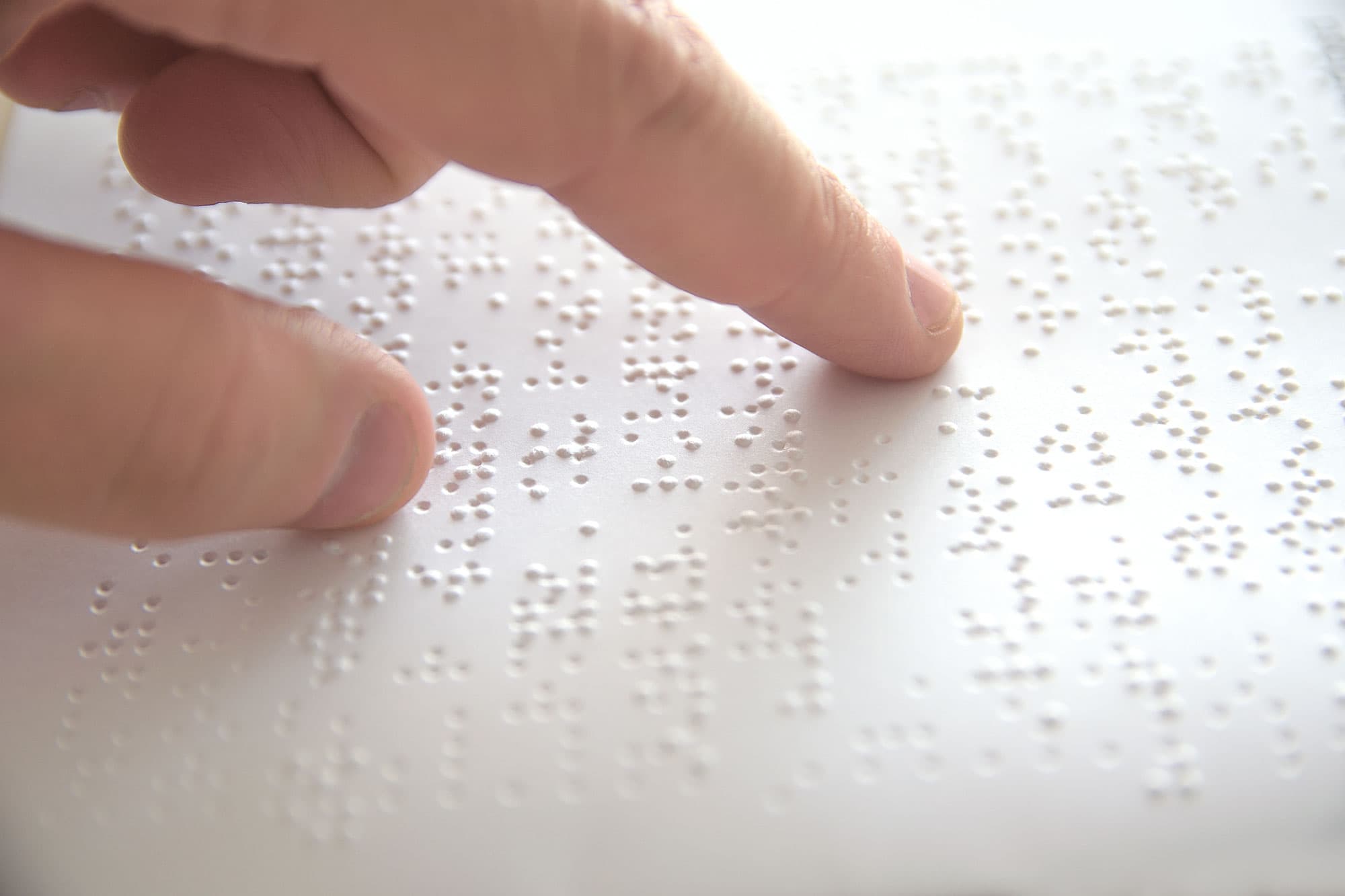
World Braille Day
- Date: Celebrated annually on January 4.
- Purpose: Highlights the importance of Braille as a system not just for reading but for education, dignity, and participation for visually impaired individuals.
Braille in India
- Introduction: Braille was introduced in India in 1887; standardized as 'Bharati Braille' in 1951.
- Population: According to the 2011 census, there are 5,032,463 visually impaired individuals in India.
Legislative Framework
Rights of Persons with Disabilities Act, 2016 (RPwD Act)
- Mandates inclusive education for differently-abled individuals, making access to Braille a fundamental requirement.
- Ensures institutions provide necessary accommodations.
- Guarantees free educational resources for students up to 18 years with benchmark disabilities.
National Education Policy (NEP) 2020
- Advocates for accessible learning materials including Braille.
- Aims to include children with disabilities in mainstream education with appropriate resources.
Government Initiatives and Schemes
Bharati Braille
- Standardized code for multiple Indian languages, aimed to facilitate consistent learning and usage of Braille across diverse linguistic backgrounds.
Accessible India Campaign (Sugamya Bharat Abhiyan)
- Launched in 2015 to create a barrier-free environment for all differently-abled individuals, focusing on constructed environments, transportation, and information communications.
- Equips over 2,000 railway stations with Braille signs and improves infrastructure at transportation hubs.
Project DALM (Accessible Learning Materials)
- Provides free Braille textbooks and course materials to visually impaired students in both school and higher education.
- As of 2014, has benefitted 169,782 students.
Accessible Digital Library
- A collaboration between various organizations (NIPEVD, TCS) to provide a comprehensive library with accessible books in multiple languages, ensuring availability in Braille and digital formats.
Training and Capacity Building
- National Institute for Empowerment of Persons with Visual Disabilities (NIPEVD) conducts training programs to promote Braille literacy and development.
Specific Projects and Upcoming Initiatives
- Bharati Braille 2.1:
- A revised draft and validation of Bharati Braille that aims at enhancing digital compatibility and accessibility.
- Public draft to be disseminated on January 4, 2026, for stakeholder feedback.
International Commitments
- India has committed to the UN Convention on the Rights of Persons with Disabilities, reinforcing its dedication to ensuring accessibility to information and education.
Importance of Braille
- Critical for literacy, empowerment, and inclusion in society.
- Assists visually impaired individuals in achieving independent living and participating fully in social and economic life.
Conclusion
India is advancing a robust ecosystem for Braille and inclusive education, ensuring that visually impaired individuals can access information and education, crucial for equal opportunities and societal participation. The ongoing reforms and developments paint a picture of a commitment to social justice and inclusion aligned with constitutional and international standards.
Key Terms & Concepts
| World Braille Day | Annual observance for awareness |
| Indian Census 2011 | Reports blind population statistics |
| Divyangjan Rights Act 2016 | Legal framework for inclusivity |
| National Education Policy 2020 | Guidelines for inclusive education |
| Bharati Braille | Unified script for Indian languages |
| Accessible India Campaign | National initiative for access |
| DALM Project | Financial aid for teaching resources |
| NIEPVD | Institute for visual impairment empowerment |
| CRPD | UN Convention on disability rights |
| Indian Rehabilitation Council | Regulates rehabilitation education standards |