iAspirants
Current AffairsPrelims PYQsUPSC CSE SyllabusUPSC CSE StrategyBlogsPricing
Login
iAspirants

Your AI-powered companion for UPSC preparation.

Quick Links

  • Home
  • About Us
  • Current Affairs
  • Prelims PYQs
  • UPSC CSE Syllabus
  • UPSC CSE Strategy
  • Blogs

Company

  • Pricing
  • FAQs
  • Contact Us
  • Login

Legal

  • Privacy Policy
  • Terms & Conditions
  • Return Policy

© 2025 iAspirants, Inc. All rights reserved.

  1. Blogs
  2. Art and Culture

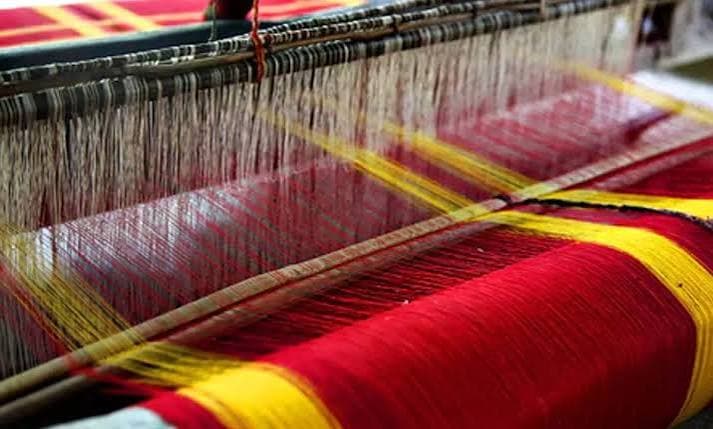
Celebrating India's Handloom Heritage

Published on: 09-Aug-2026

Share this post

Celebrating India's Handloom Heritage

Article Summary

Exam-Focused Notes on Indian Handloom and Cultural Identity

1. Handloom in the India-UK Free Trade Agreement

  • Indian textiles secure inclusion in trade discussions, highlighting their economic and cultural significance.
  • Vital for boosting global demand for handloom products.

2. Cultural Significance of Handloom

  • Handloom represents a vital part of India’s cultural identity and heritage.
  • Homegrown designer Sanjay Garg states that handloom is a major strength that reflects India’s diversity through its unique woven textiles.

3. National Handloom Day

  • Celebrated on August 7. Collaborations like Sanjay Garg's with rapper Adil Kalyanpur aim to elevate awareness of handloom traditions.
  • Launch of “Handloom Y’All,” a contemporary rap track marrying traditional textiles to modern music culture to engage newer audiences.

4. Policies and Government Support

  • The Indian government has been promoting the handloom sector through various schemes aimed at providing support to handloom weavers.
  • The Ministry of Textiles oversees initiatives to enhance the handloom sector's resilience and global competitiveness.

5. Historical Context

  • Reference to Mahatma Gandhi, who made Khadi a symbol of national identity during the freedom struggle, correlating similar importance to handloom today.
  • Highlighting the need to reinterpret the legacy of handloom and its relevance for new generations.

6. Economic Impact of Handloom

  • Millions of livelihoods directly supported by the handloom industry, emphasizing its role in the socio-economic fabric of rural India.
  • The handloom sector encompasses a large weaving community, contributing significantly to local economies.

7. Artistic Expression and Modern Culture

  • The fusion of traditional handloom with contemporary art forms, such as music, showcases its evolution and relevance.
  • A-KAL’s rap draws attention to the narrative of handloom as not just a craft but as a subject of cultural pride.

8. Educational Perspectives

  • Efforts to simplify the understanding of handloom for younger audiences, fostering appreciation and awareness through accessible communication strategies.
  • Informal educational approaches used in media to engage and interest those unfamiliar with handloom traditions.

9. Noteworthy Textiles

  • Maheshwari handloom is specifically highlighted as having strong cultural connections and contemporary appeal, particularly in the context of the collaborating artists.

Overall, the discussion around handloom integrates aspects of culture, economy, and modern societal narratives, positioning it as a living tradition that deserves ongoing recognition and appreciation.

Key Terms & Concepts

India-UK Free Trade AgreementInclusion of Indian textiles
National Handloom DayCelebration of handloom heritage
Raw MangoFashion label promoting handloom
Adil KalyanpurBengaluru rapper collaborating on handloom
KhadiSymbol of colonial resistance
Mahatma GandhiPromoter of Khadi and handlooms
2026Future context for handloom
80th Independence Day of IndiaCommemoration of freedom
MaheshwariA notable handloom weave
millions of livelihoodsEconomic impact of handlooms

Mind Map for UPSC Civil Services Revision

Turn UPSC Civil Services Current Affairs Into Exam-Ready Notes

Reading Art and Culture current affairs is half the work. Revise them with ready-made notes and test what actually stuck.

  • Daily UPSC Civil Services current affairs analysis
  • Revision notes, mind maps & MCQs
  • Prelims mock tests with instant results

Related UPSC Civil Services Current Affairs Articles

Upcoming Mamankam Festival Details
Art and Culture23-Sep-2026

Upcoming Mamankam Festival Details

Azhvanchery Mana and Mamankam Memorial Festival Overview

Event Details:

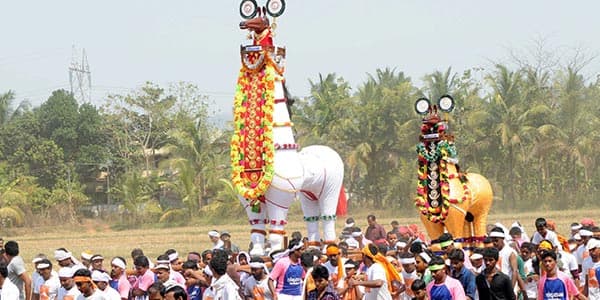
  • The 33rd Mamankam Memorial Festival is scheduled from January 22 to 24, 2027, at Tirunavaya.
  • Organized by Re-Echo, a cultural organization, with Azhvanchery Thamprakkal as chief patron.
  • Purpose: To educate younger generations about the history of Mamankam and promote the cultural heritage of Tirunavaya.
  • Cultural Significance:

    • The festival has been celebrated since 1994 to preserve the legacy of Mamankam, which was traditionally held every 12 years.
    • It features various cultural programs including:
      • Historical re-enactments
      • Angavaal procession
      • History seminars
      • Communal harmony meetings
      • Memorial journey and lighting of the Mamankam memorial lamp
      • Kalaripayattu demonstrations
      • Book releases

    Historical Context:

    • Azhvanchery Mana is significant in Kerala’s religious and cultural history; traditionally led by the Azhvanchery Thamprakkal, a senior member of the Namboodiri caste, noted for expertise in Vedic rituals.
    • The Mamankam festival historically involved local rulers, including the Zamorin, and is linked to religious customs in Kerala.

    Organizers and Leadership:

    • The announcement was made in a traditional manner at Azhvanchery Mana, presided over by Re-Echo president Poovathingal Rasheed.
    • Keynote address by Ullattil Ravindran, with festival calendar handed over by guru K.V. Unnikurup.

    Cultural Heritage Protection Efforts:

    • Re-Echo has been active in advocating for the protection of Mamankam monuments, seeking their takeover by the State government.
    • The festival aims to engage public participation to preserve Mamankam’s memory through various cultural initiatives.

    Regional Importance:

    • Tirunavaya and Azhvanchery Mana hold historical relevance in Kerala, embodying the unique blend of tradition, culture, and history that the Mamankam festival seeks to honor and promote.

    Conclusion: The Mamankam Memorial Festival represents a significant cultural commitment to reviving and preserving the traditions of Kerala, reflecting the state's rich history and cultural narratives through interactive and educational festivities.

    Assam's Cultural Heritage Showcased 2026
    Art and Culture22-Sep-2026

    Assam's Cultural Heritage Showcased 2026

    Exam-Focused Notes on PM Memento E-Auction 2026 and Assam's Cultural Heritage

    Overview

    • Event: PM Memento E-Auction 2026
    • Purpose: To showcase Assam’s cultural heritage and traditional craftsmanship through various artifacts.

    Cultural Heritage of Assam

    • Key Artifacts:
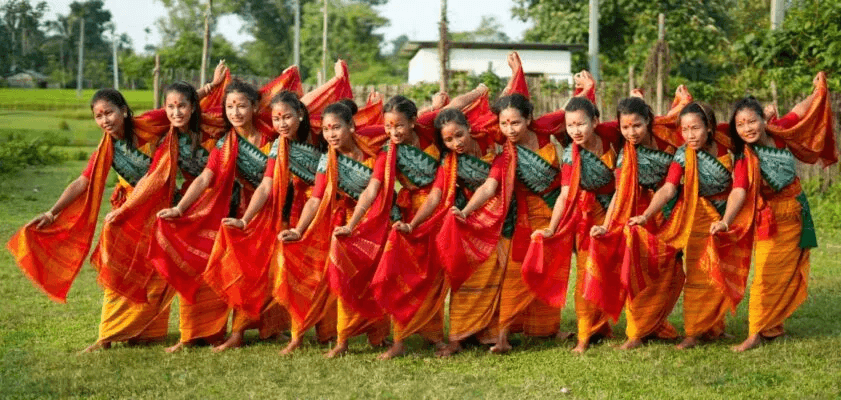
      • Handloom products, bamboo and cane crafts, brass items, and heritage artifacts reflecting Assam's unique cultural traditions.
      • Significant historical figures represented include:
        • Bhir Chilarai
        • Gopinath Bordoloi (Bharat Ratna awardee)
        • Chao Lung Sukafa
        • Srimanta Sankardeva
      • Presentation of the 1894 Patharughat War, an important chapter in Assam's history.

    E-Auction Details

    • Total Items: 1,498 mementos showcased.
    • Objective: Provides an opportunity for citizens, collectors, institutions, and art lovers to acquire mementos presented to the Prime Minister.
    • Exhibition: Held at the National Gallery of Modern Art (NGMA) in New Delhi, allowing visitors to appreciate the artistic and cultural significance of the items.
    • Organizing Ministry: Ministry of Culture.

    Fund Utilization

    • Proceeds from the auction are donated to the Namami Gange Programme, a national mission aimed at the conservation and rejuvenation of the Ganga River.

    Featured Assam Crafts

    1. Muga Silk Artwork: Depicts Queen Sati Sadhani of the Chutia Kingdom, created using organic colors and gold foil on Muga silk.
    2. Bamboo and Cane Wall Clock: Handmade clock showcasing sustainable craftsmanship.
    3. Eco-Craft Gift Box: Includes handmade slippers, baskets, hats, and a painting, illustrating the transformation of water hyacinth into sustainable products.
    4. Traditional Assamese Japi: Decorated with vibrant patterns, symbolizing hospitality and respect.
    5. Assamese Gamusa: Features traditional designs showcasing the state's handloom heritage.
    6. Brass Khoria: Traditional symbol of hospitality and respect in Assamese culture.
    7. Replica of Kamakhya Temple: Wooden model reflecting traditional architectural styles.

    Significance

    • The e-auction highlights the Intangible Cultural Heritage of Assam, emphasizing the skills, traditions, and cultural practices passed down through generations.
    • Celebrates Assam's contribution to India's rich cultural tapestry and promotes awareness of its historical and artistic legacy.

    Conclusion

    The PM Memento E-Auction 2026 serves as a significant platform to celebrate and preserve Assam's cultural heritage while supporting national initiatives like the Namami Gange Programme.

    Indian Film Wins International Award
    Art and Culture22-Sep-2026

    Indian Film Wins International Award

    Summary of Key Points: Angh Film and Academy Awards Eligibility

    Film Achievement

    • Film Title: Angh
    • Director: Theja Rio
    • Award: First-ever Indian film to win the Platform Prize at the Toronto International Film Festival (TIFF).
    • Award Amount: $20,000 CAD.
    • Significance: Eligible to compete in the Best International Feature Film category at the Academy Awards.

    Eligibility for Academy Awards

    • Academy Definition: An international feature film must be produced outside the U.S. with more than 50% dialogue in a non-English language.
    • New Guidelines (2026): Introduced by the Academy of Motion Picture Arts and Sciences for eligibility in the Best International Film category:
      • Films can be submitted if they win a qualified award at prominent international film festivals, including:
        • TIFF’s Platform Prize
    Ramanathaswamy Temple's Architectural Significance
    Art and Culture13-Sep-2026

    Ramanathaswamy Temple's Architectural Significance

    BRICS Summit Highlights: Modi and Xi Meeting

    • Event: 2026 BRICS Summit
    • Leaders Present: Indian Prime Minister Narendra Modi and Chinese President Xi Jinping
    • Backdrop: Image of the 1,212-pillar corridor from Ramanathswamy Temple, Tamil Nadu. This selection may signify cultural heritage and architectural achievement.

    Ramanathswamy Temple Overview

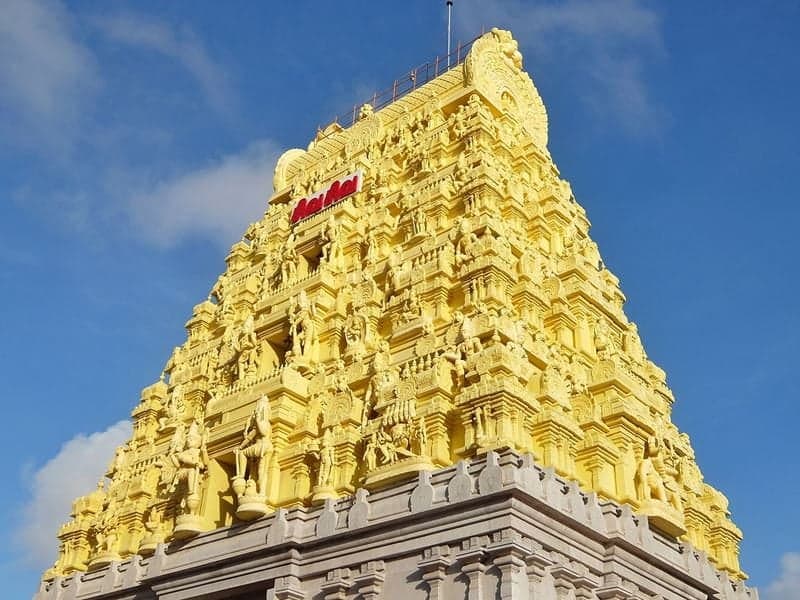
    • Location: Rameswaram, Pamban Island, Tamil Nadu
    • Significance: One of the 12 jyotirlingas, dedicated to Lord Shiva, and historically significant with ties to Lord Ram.
    • Architectural History: Rebuilt in the 17th century, the temple represents enduring spiritual and cultural heritage.
    • Key Historical Figures: Important contributions from the Sethupathi rulers, especially Muthuramalinga Sethupathi in the 18th century.

    Corridor Specifics

    • Structure: The outer corridor features 1,212 intricately carved pillars, approximately 6.9 meters high.
    • Combined Length: The entire length of the temple’s corridors is roughly 3,850 feet (1.17 km).
    • Design Features:
      • Each pillar is uniquely adorned, showcasing floral motifs and mythical figures.
      • The architectural design creates a visual effect of depth and perspective, enhancing the overall experience of the temple.
    • Functional Aspect: The corridor is designed for movement, not just aesthetic appreciation, enhancing engagement with its architecture.

    Cultural and Diplomatic Significance

    • The choice of backdrop for the summit suggests a blend of diplomacy and cultural heritage, emphasizing the connection between historical traditions and contemporary global relations.
    • The temple's architecture demonstrates how sacred spaces transitioned into grand monumental constructions, reflecting the artistic contributions and cultural identities of the region.

    Conclusion

    • The meeting of Modi and Xi, set against this culturally rich backdrop, symbolizes a deeper engagement beyond politics, rooted in shared historical and architectural narratives. The importance of the corridor mirrors the complexities of contemporary bilateral relations.
  • Golden Bear (Berlin International Film Festival)
  • Busan Best Film Award (Busan International Film Festival)
  • Palme D’Or (Cannes Film Festival)
  • World Cinema Grand Jury Prize (Sundance Film Festival)
  • Golden Lion (Venice International Film Festival)
  • Selection Process for Academy Awards

    1. Selection for Consideration: National selection committees, like the Film Federation of India (FFI), oversee submissions.
    2. Academy Validation and Shortlisting: The International Feature Film Preliminary Committee reviews and votes on longlisted films.
    3. Nomination: Members of a separate Nominating Committee vote to select five official nominees.
    4. Award Voting: Final voting by all Academy members to determine the winner.

    Historical Context

    • Previous Indian Films Nominated:
      • Three Indian films reached the final five nominations prior to category renaming to Best International Feature Film:
        • Mother India (1957)
        • Salaam Bombay! (1988)
        • Lagaan (2001)
    • Recent Candidates: India’s Chhello Show (2022) and Homebound (2025) reached the 15-film shortlist under the current system.

    Conclusion

    The success of Angh at TIFF not only highlights the film's innovative vision but also marks a significant shift in the pathway for Indian films to compete on an international stage, particularly at the Oscars. With new eligibility criteria, the potential for global recognition of Indian cinema is expanding, further facilitated by the FFI's engagement in the submission process.