Key Highlights on the Uniform Civil Code (UCC) Developments
-
Statement by Home Minister: Amit Shah announced the intention to implement a Uniform Civil Code (UCC) across all NDA-ruled states by 2029.
-
Support from NDA Partners:
- Telugu Desam Party (TDP): Led by state president P. Srinivasa Rao, supports the UCC, emphasizing it as a move to strengthen national unity.
- Shiv Sena: Deputy Chief Minister Eknath Shinde referenced founder Bal Thackeray’s vision of "one country, one law."
- Janata Dal (United) - JD(U): Offers a non-oppositional stance pending a review of the UCC Bill, with Deputy Chief Minister Vijay Kumar Chaudhary noting their willingness to discuss if provisions are unexceptionable.
-
Political Context:
- TDP has 16 seats, Shiv Sena 13, and JD(U) 12 in the Lok Sabha, making their support crucial for the BJP.
- Relations within NDA are dynamic, as demonstrated by varied responses from allies about the UCC's implications and implementation.
-
Criticism and Concerns:
- Opponents argue that the UCC may threaten articles 25, 26, and 29 of the Constitution related to personal religious freedoms.
- CPI(M) and the National Conference express concerns about the UCC being a diversion from pressing issues like unemployment.
-
Constitutional References:
- Articles related to religious freedom and minority rights:
- Article 25: Freedom of conscience and free profession, practice, and propagation of religion.
- Article 26: Freedom to manage religious affairs.
- Article 29: Protection of interests of minorities.
-
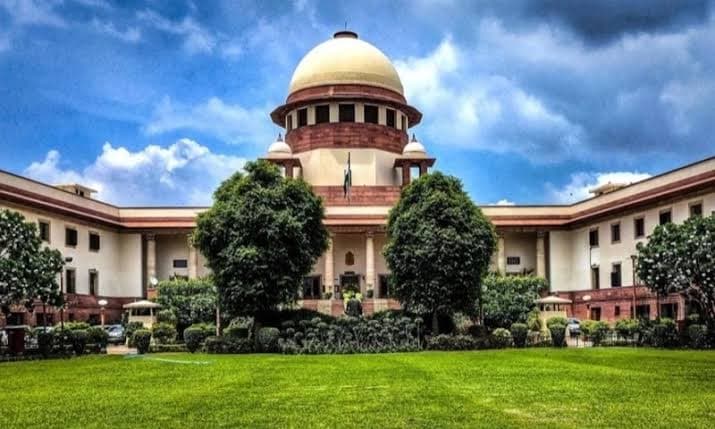
Judicial Consideration: No current judicial rulings have been mentioned regarding the UCC, but its introduction is likely to spark legal debates about constitutional rights and provisions.
-
Responses from Opposition Figures:
- Jammu and Kashmir Chief Minister Omar Abdullah criticized the manner of state-by-state implementation rather than addressing it in Parliament, indicating a potential lack of parliamentary support for UCC.
- AIMIM president Asaduddin Owaisi voiced that if NDA allies have any disagreement, they should formally oppose the UCC, questioning the motives behind its introduction.
-
Government Actions:
- Maharashtra Chief Minister Devendra Fadnavis indicated that the state government would proceed with the UCC once the drafting committee reports its findings.
- Proposals for UCC are being received amid backlash and careful examination by NDA partners, indicating a complex political landscape.
-
Public Sentiment: The UCC continues to evoke mixed responses, influencing both support and dissent among different political factions, suggesting potential unrest regarding legislative direction.
Summary:
The UCC proposal is gaining traction in NDA-ruled states, with varying support and concern among coalition partners. While the BJP pushes ahead with the introduction of the UCC, significant opposition arises concerning its implications on constitutional rights for religious minorities. As discussions unfold, especially within state assemblies, the socio-political ramifications of this legislative endeavor are likely to be profound, calling into question national unity and individual freedoms.
 iAspirants