iAspirants
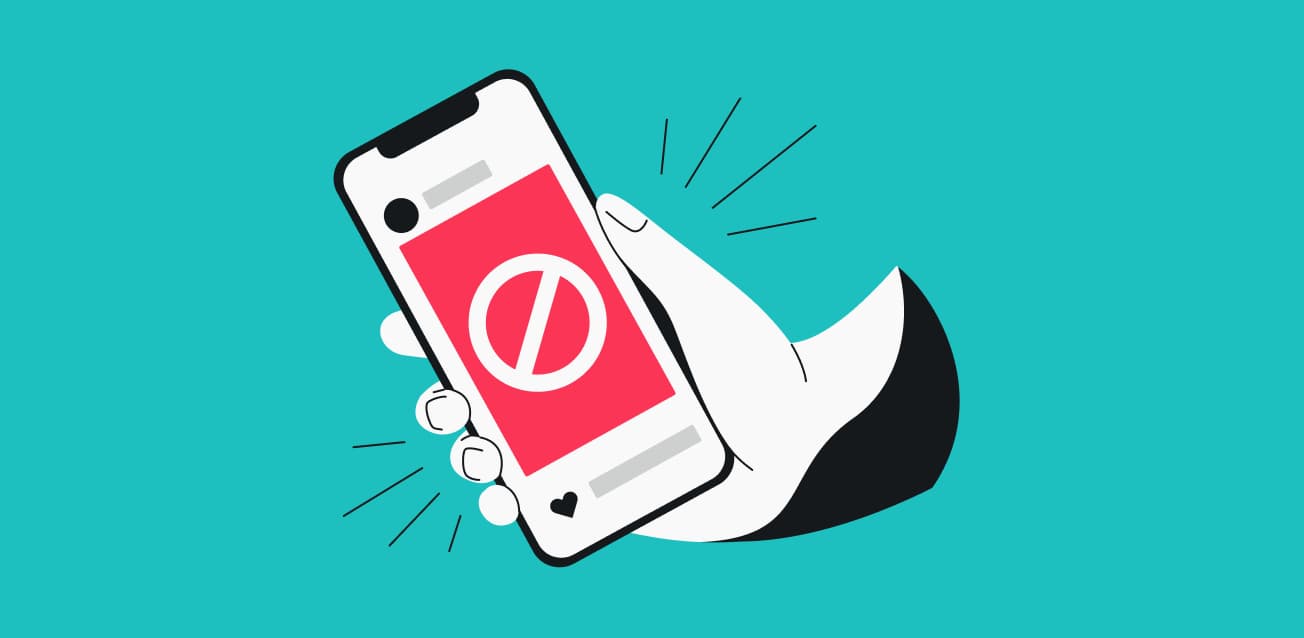
Censorship of Protests on Social Media
Published on:
Share this post
Article Summary
Summary of Key Points
Censorship on Social Media
- Posts from various political leaders, including members of the Indian Youth Congress, Aam Aadmi Party (AAP), and several other social groups have been reportedly removed from Instagram.
- The disappearances follow meetings between Meta (Instagram's parent company) and the Indian Union government concerning content moderation practices.
- Posts related to protests that led to the resignation of Education Minister Dharmendra Pradhan are notably affected, with claims that censorship is connected to the IT Rules, 2021.
Legal Framework and Constitutional Concerns
- Censorship is executed through a takedown mechanism, referencing the IT Act, 2000, particularly Section 69A which provides the government with powers to block content deemed unlawful.
- Section 79(3)(b) of the IT Act, which allows for user-generated content to be reported, is noted for its weaker enforcement mechanisms compared to Section 69A.
- Criticism highlights potential violations of free speech principles under Article 19(1)(a) of the Indian Constitution, which guarantees the right to freedom of speech and expression.
Government Schemes and Reporting Mechanisms
- The Sahyog portal, operated by the Home Ministry, is used to submit take-down requests to social media platforms, including requests that may lack built-in safeguards under Section 69A.
- Digital advocacy organizations have raised concerns regarding the lack of transparency and procedural safeguards in the content moderation process on social media platforms.
Economic and Social Impact
- The removal of protest-related content is said to undermine free discussion, impacting public interest and freedoms essential to democracy.
- This practice could have broad implications for social movements, especially among youth demographics who are active on these platforms.
Concerns Raised by Advocacy Groups
- Advocacy groups such as the Software Freedom Law Centre have emphasized the need for platforms like Meta to ensure that moderation processes are transparent and consistently applied.
- The necessity for effective mechanisms to review enforcement actions is highlighted to protect user rights and ensure accountability.
Notable Incidents
- Viral content critical of police and governmental actions has been removed, illustrating the extent of content taken down in the current environment, which may affect public discourse and activism.
Conclusion
This situation presents a critical junction for digital freedom and expression in India, revealing tensions between governmental oversight and constitutional rights aligned with free speech. The role of social media as a platform for political dialogue and protest is under scrutiny, stressing the need for clear laws and ethical practices in content moderation.
Key Terms & Concepts
| IT Rules, 2021 | Regulates social media content |
| Section 69A of IT Act, 2000 | Enables content removal by government |
| Section 79(3)(b) | Modulates user content enforcement |
| Sahyog Portal | Facilitates content takedown requests |
| Meta | Social media platform provider |
| Students’ Federation of India | Youth protest group |
| 1 crore views | Viral content statistic |
| August 6, 2026 | Date of notable events |
| Education Minister Dharmendra Pradhan | Resigned amid protests |
| Centre for Internet and Society | Advocacy and policy organization |
| Software Freedom Law Centre, India (SFLC) | Advocacy group on digital rights |