iAspirants
Challenges Faced by Rajpur Laborers
Published on:
Share this post
Article Summary
Overview of Tribal Livelihood Challenges in Rajpur, Madhya Pradesh
Demographics and Economic Data:
- Tribal families in Rajpur tehsil of Barwani district face severe economic challenges.
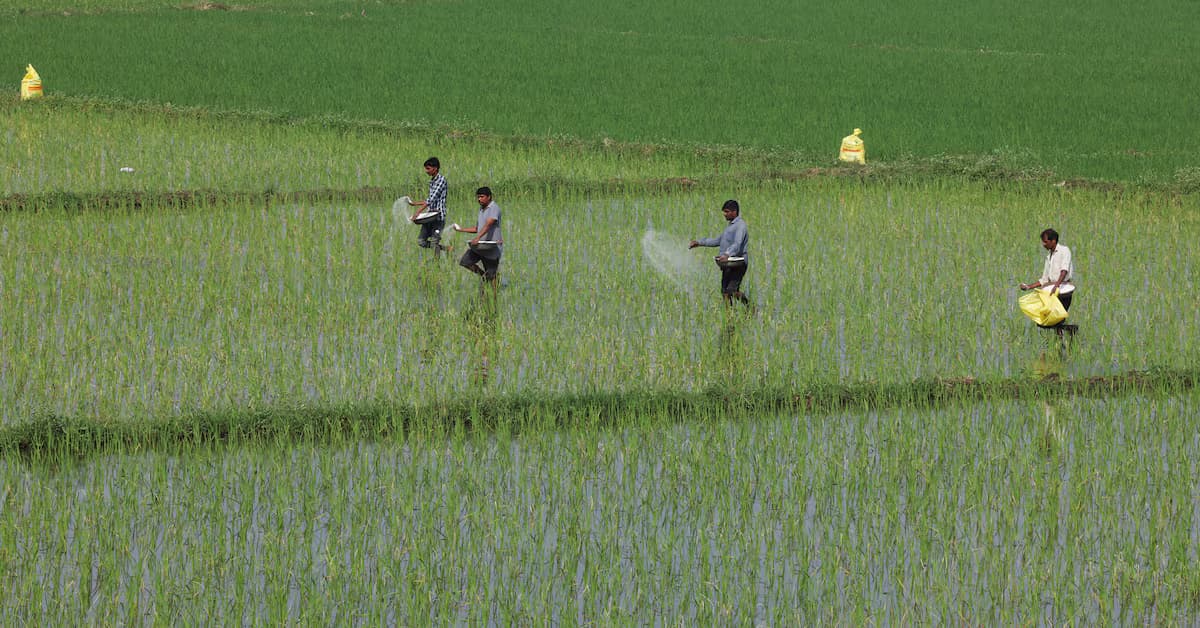
- Approximately 10,000 laborers, including children and the elderly, seek daily work.
- Daily earnings range from ₹300 to ₹350, but net income can drop to ₹100 after expenses.
- A significant 90% of households depend on migration for employment.
- Agricultural households in Rajpur experience an average monthly income significantly below the national average of ₹10,218, implying pervasive poverty.
Constitutional and Legislative Framework:
- The area is governed under the Panchayats Extension to Scheduled Areas (PESA) Act, affecting access to government schemes.
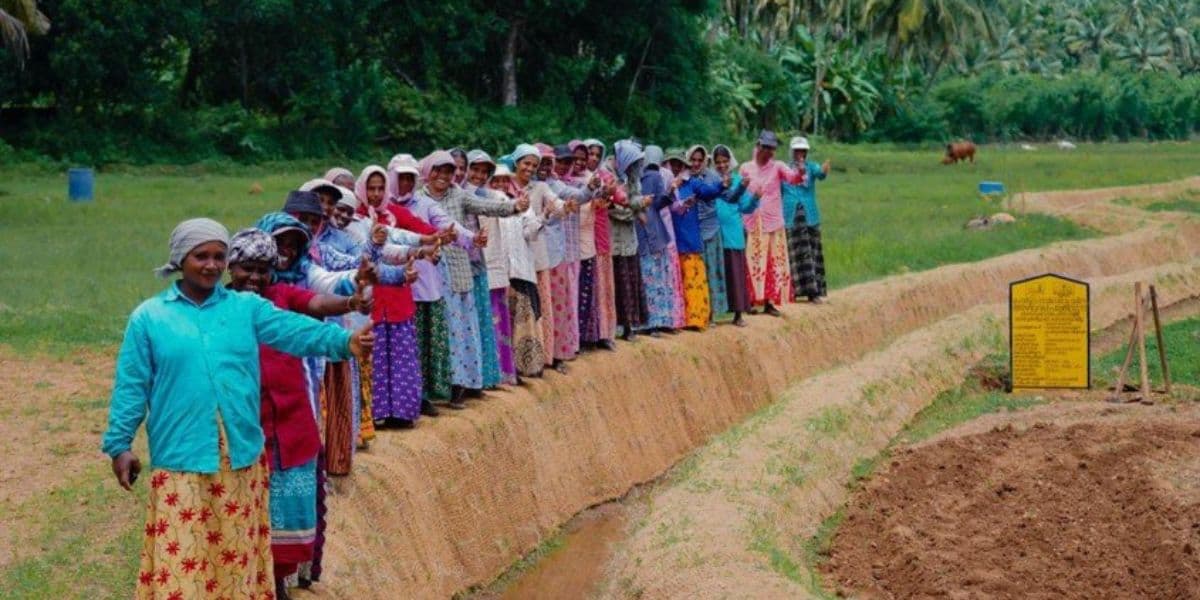
- The Mahatma Gandhi National Rural Employment Guarantee Scheme (MGNREGS), now revamped to Viksit Bharat-Guarantee for Rozgar and Ajeevika Mission (Gramin), aims to provide 100 days of assured employment but has faced underutilization due to lack of awareness and digital access issues.
Government Schemes and Initiatives:
- National Rural Livelihoods Mission (NRLM, 2011): This flagship government scheme aims to promote sustainable livelihoods through Self-Help Groups (SHGs). However, loans offered (₹50,000-₹60,000) often fall short for substantial agricultural investments.
- Rashtriya Gram Swaraj Abhiyan (2018, revamped 2022): Intended to strengthen Panchayati Raj institutions, it focuses on capacity building, particularly in PESA regions.
- Need for Transitional Support: Proposals include introducing targeted cash support to assist families transitioning from labor to sustainable livelihoods.
Judicial and Policy Recommendations:
- Increased awareness and enforcement of constitutional rights related to employment and schemes.
- Enhance SHG loan amounts to cater to substantial agricultural endeavors, as larger loans correlate with higher farm incomes (Kisan Credit Card effect - 25-30% increase in income).
- Introduce irrigation systems to facilitate diversification of crops, backed by evidence from World Bank studies promoting small-scale irrigation.
Societal Impact:
- Many families remain uninformed about government initiatives, specifically regarding Aadhaar-linked benefits and employment schemes.
- Initiatives to increase program outreach through mobile camps could enhance enrollment and access to resources.
Science & Technology Insights:
- Local farming practices could benefit from integrating modern agricultural technology such as small-scale irrigation methods (drip irrigation, check dams) to enhance efficiency and productivity.
Conclusion/Calls to Action:
- Advocacies highlight that without significant governmental support and awareness of rights and schemes, the cycle of migration and poverty will persist in Rajpur.
- Empowering communities through training, access to schemes, and financial support is crucial for sustainable development.
Key Terms & Concepts
| Madhya Pradesh | Location of Rajpur tehsil |
| Mahatma Gandhi National Rural Employment Guarantee Scheme (MGNREGS) | Government initiative for employment |
| Viksit Bharat-Guarantee for Rozgar and Ajeevika Mission (Gramin) | Revamped employment scheme |
| Panchayats Extension to Scheduled Areas (PESA) Act | Legal framework for tribal areas |
| National Sample Survey Organisation (NSSO) | Conducts agricultural household surveys |
| National Rural Livelihoods Mission (NRLM) | Flagship scheme for poverty alleviation |
| Kisan Credit Cards | Credit facility for farmers |
| Rashtriya Gram Swaraj Abhiyan | Strengthening local governance |
| World Bank | Conducted irrigation study |
| ₹1 lakh | Estimated starting cost of horticulture farm |
| ₹300 - ₹350 | Daily wage for laborers |
| ₹10,218 |