iAspirants
Current AffairsPrelims PYQsUPSC CSE SyllabusUPSC CSE StrategyBlogsPricing
Login
iAspirants

Your AI-powered companion for UPSC preparation.

Quick Links

  • Home
  • About Us
  • Current Affairs
  • Prelims PYQs
  • UPSC CSE Syllabus
  • UPSC CSE Strategy
  • Blogs

Company

  • Pricing
  • FAQs
  • Contact Us
  • Login

Legal

  • Privacy Policy
  • Terms & Conditions
  • Return Policy

© 2025 iAspirants, Inc. All rights reserved.

  1. Blogs
  2. Economic and Social Development

Challenges Faced by Sugarcane Cutters

Published on: 19-Aug-2026

Source: The Hindu

Share this post

Challenges Faced by Sugarcane Cutters

Article Summary

Summary Notes on Sugarcane Cutter Labor Issues in Maharashtra

Labor Conditions and Exploitation

  • Migrant Labor: Approximately 10 lakh migrant sugarcane cutters in Maharashtra, half of whom are women.
  • Work Environment: Workers, including pregnant women, face brutal conditions; they work from 3 a.m. to 7 p.m. with minimal compensation (couples earn less than ₹80,000 in a season).
  • Wage Penalties: Penalties of ₹600 for taking a day off and ₹1,200 if both partners take leave.
  • Lack of Legal Protection: Incidents of exploitation and lack of basic amenities (like toilets) are rampant; workers have no direct employment relationship with sugar mills, complicating accountability.

Judicial Rulings

  • Bombay High Court Ruling (2025): Mandated the Maharashtra government to implement comprehensive welfare measures for sugarcane cutters amidst increasing activism.

Economic Context

  • State's Contribution: Maharashtra accounts for one-third of India’s sugar production with 40 lakh farmers cultivating on over 14.87 lakh hectares, generating an annual turnover of approximately ₹1 lakh crore.
  • Employment Statistics: Direct employment of about 2 lakh factory workers supports various sectors including ethanol and green hydrogen, yet the millers claim a drastic decline in the number of active sugarcane cutters to under 5 lakh.

Modernization and Mechanization

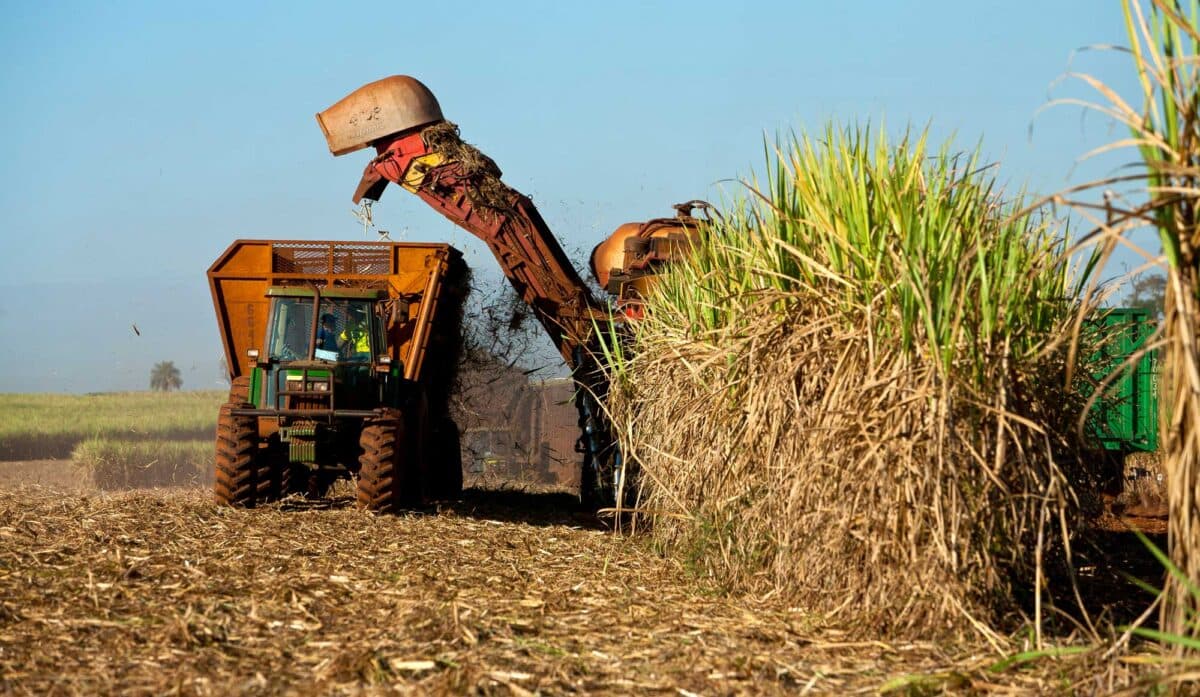
  • Use of Machinery: Increased use of mechanical harvesters (3,218 operational in India, with 68% in Maharashtra) is anticipated to radically transform the industry, facilitating a shift from traditional labor to mechanized processes in the next three years.
  • Sector Challenges: Sugar mills are currently facing operational delays and losses due to a shortage of manual labor.

Activism and Future Outlook

  • Activist Organizations: The Women Sugarcane Cutters Union advocates for workers' rights, illuminating issues of financial and sexual exploitation.
  • Cultural Shift: There is a generational decline in labor participation in sugarcane cutting, as younger individuals seek alternative employment, pushing towards a mechanized industry landscape.

Key Statistics

  • Industry Size: 40 lakh farmers cultivating sugarcane contribute to a ₹1 lakh crore industry annually.
  • Harvesters: 3,218 mechanical harvesters with a forecast of increased adoption among sugar mills.

Conclusion

Workers in the sugarcane industry of Maharashtra continue to confront hardships characterized by exploitation and inadequate legal protections. With judicial interventions and rising mechanization, the sector is evolving, albeit uncertainly, for the labor force responsible for its foundation. The future of traditional labor in this crucial agricultural sector remains precarious.

Key Terms & Concepts

SolapurDrought-prone district for sugarcane
BeedMajor district for migration
Karnataka, Gujarat, Tamil NaduStates where workers migrate
10 lakhNumber of migrant sugarcane cutters
16 hoursDaily working hours for cutters
₹80,000Earnings at season end
2025Year of significant court ruling
Bombay High CourtJudicial body for labor rights
3,218Operational sugarcane harvesters in India
40 lakhFarmers growing sugarcane in Maharashtra
₹1 lakh croreAnnual turnover of sugar industry
14.87 lakh hectaresArea of sugarcane cultivation
60% to 70%

Mind Map for UPSC Civil Services Revision

Turn UPSC Civil Services Current Affairs Into Exam-Ready Notes

Reading Economic and Social Development current affairs is half the work. Revise them with ready-made notes and test what actually stuck.

  • Daily UPSC Civil Services current affairs analysis
  • Revision notes, mind maps & MCQs
  • Prelims mock tests with instant results

Related UPSC Civil Services Current Affairs Articles

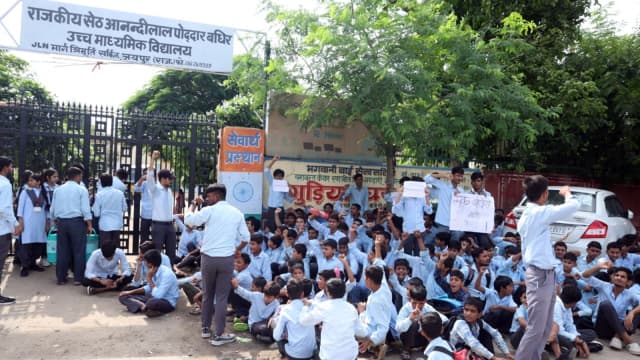
Students Protest Over School Conditions
Economic and Social Development03-Oct-2026

Students Protest Over School Conditions

Summary Notes on Recent Protests in France and India

Protests in France

  • Student Grievances:

    • Overcrowded classrooms: Class sizes reportedly contain as many as 35 students.
    • Teacher shortages: Lack of necessary staff, including a year without a science teacher for some students.
Current mechanization level in mills
Natural Sugar and Allied IndustriesSpecific sugar industry mentioned
Women Sugarcane Cutters UnionAdvocacy group for women workers
  • Poor infrastructure: Deteriorating and overheated classroom conditions, inadequate facilities.
  • Long school days with insufficient lunch breaks.
  • Scale of Protests:

    • Protests initiated in the Paris region and expanded nationwide.
    • Around 560 schools disrupted, leading to 400 high schools closed as of recent reports.
    • Roughly 5,000 arrests have been made since the onset of unrest, with a majority being minors.
  • Economic Context:

    • Proposed education budget for 2027 at €65.53 billion; a 1.7% increase which is below inflation and does not include pensions for teachers.
  • Violence and Response:

    • Confrontations with police, use of tear gas reported.
    • 65 education workers injured, including 40 headteachers, with 305 police officers injured during clashes.
    • Accusations of excessive police force by human rights groups, prompting investigations.
  • The Cockroach Janta Party (CJP) in India

    • Campaign Focus: “School Thik Karo” initiative launched on August 15, 2026 (Independence Day) aimed at improving government school conditions in villages.

    • Objectives:

      • Conduct audits of government schools to assess basic needs (water, functional toilets, power, safety, etc.).
      • Citizens utilize a structured social audit checklist to document and report issues in schools.
    • Checklist Parameters:

      • Covers drinking water, functional toilets, electricity, safe classrooms, boundary wall security, and teacher attendance.
      • The checklist available in 13 languages aimed at auditing 1.6 million schools.
    • Background:

      • Campaign evolved from earlier protests associated with the NEET-UG controversy and involved a significant sit-in at Jantar Mantar demanding the resignation of former Education Minister Dharmendra Pradhan.

    Comparative Insights

    • Similarities: Both movements in France and India share a common focus on the deteriorating conditions in educational facilities. Protests in France emphasize public demonstration while India's CJP takes an auditing approach with demands for action.
    • Differences: The context of the movements is distinctly different, influenced by respective political climates and educational policies.

    Keywords

    1. France:

      • Overcrowded classrooms, teacher shortages, €65.53 billion education budget, protests, student arrests.
    2. India (CJP):

      • "School Thik Karo," citizen audits, social audit checklist, education improvement, government schools, teacher attendance.

    Conclusion

    The ongoing education-related protests in both France and India bring to light significant issues regarding the adequacy of public schooling, the need for proper facilities and staffing, and financial implications tied to educational funding.

    India's New Fuel-Efficiency Regulations
    National and International Importance02-Oct-2026

    India's New Fuel-Efficiency Regulations

    Summary of India's CAFE-III Fuel Efficiency Rules

    Overview:

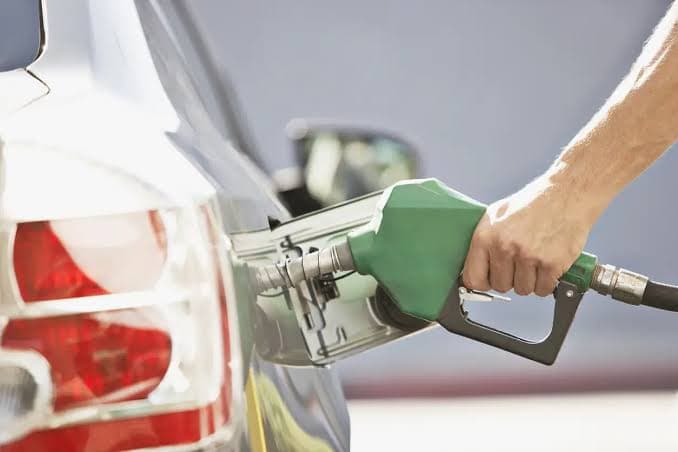
    • The Corporate Average Fuel Economy (CAFE)-III framework has been established to enhance fuel efficiency standards for passenger vehicles in India from April 1, 2027, to March 31, 2032.
    • It emphasizes a fleet-wide approach, compelling manufacturers to optimize fuel efficiency across their entire vehicle portfolio rather than on individual models.

    Key Regulations:

    • CAFE norms apply to M1 category passenger vehicles (cars manufactured or imported for sale in India).
    • The framework replaces model-specific regulations with a system based on the average unladen weight of vehicles sold by a manufacturer.

    Important Dates:

    • Notification Date: September 29, 2023
    • Application Period: April 1, 2027 - March 31, 2032

    Weight and Fuel Consumption Formula:

    • The annual average fuel consumption formula is defined as: [ \text{Annual Average Fuel Consumption} = a \times (W - b) + c ]
      • Where:
        • W = Weighted average unladen mass of vehicles sold.
        • b = Fixed reference weight (1,229 kg).
        • a = Variable determining target changes per kg above/below reference weight (starting at 0.00158 for FY28).
        • c = Baseline fuel target (3.9960 litres/100 km for FY28).

    Progressive Standards:

    • By FY32, values for a and c tighten to 0.00131 and 3.3273 litres/100 km, respectively.

    Powertrain Specific Benefits:

    • Battery-electric vehicles (BEVs) receive the highest compliance benefits, with their volume calculation weighted to enhance fleet performance.
    • Carbon Neutrality Factor (CNF) allows incorporating low-carbon fuels such as ethanol and biofuels to aid compliance.

    Impact on Small Cars:

    • The final framework does not create a separate regulatory category for small cars (under 909 kg), despite initial proposals for additional concessions.
    • Weight remains central to the compliance calculation.

    Carmaker Credit System:

    • Manufacturers can earn credits for exceeding efficiency targets and incur debits for falling short.
    • Credits can carry over within compliance blocks and can be traded between manufacturers.
    • Debits can be compensated by purchasing credits from the Bureau of Energy Efficiency starting at Rs 2,500 per g CO2/km in FY2027-28 and increasing annually.

    Technological Innovations Encouraged:

    • Efficiency improvements can be claimed from specified technologies like start-stop systems, LED lighting, and efficient alternators, with a cap on overall reductions permitted.
    • Alternative fuels receive positive recognition through specific carbon-neutrality factors.

    Judicial and Legislative Context:

    • CAFE norms were initially introduced in 2017 under the Energy Conservation Act, indicating a legislative framework aimed at reducing vehicle emissions progressively.

    International Context:

    • The new regulations align with global trends toward stricter emissions and fuel efficiency standards, reflecting India's commitment to cleaner energy and compliance with international environmental agreements.

    Benefits to Stakeholders:

    • The regulations have been positively received by automobile manufacturers, providing clarity and stability for long-term planning and technology investment.

    Conclusion

    India's CAFE-III framework represents a significant shift in automotive regulatory policy aimed at improving overall fuel efficiency and reducing CO2 emissions, aligning industry objectives with environmental goals and international standards.

    India's Agricultural Transformation and Financing
    Economic and Social Development01-Oct-2026

    India's Agricultural Transformation and Financing

    Summary of Indian Agricultural Transformation

    1. Achievement Overview:

      • India's agricultural transformation over six decades has made it one of the world's largest producers of cereals, milk, fruits, vegetables, and fish products.
    2. Key Drivers:

      • Public Policy: Implementation of visionary policies.
      • Scientific Innovation: Adoption of advanced agricultural techniques.
      • Irrigation and Institutional Credit: Improved access to financial resources.
      • Farmers' Enterprise: The role of millions of farmers in driving growth.
    3. Next Agricultural Goals:

      • Shift focus from food security to rural prosperity.
      • Enable rural India to capture a larger share of post-harvest value through enhanced market access.
    4. Understanding Agricultural Value Chain:

      • The value chain includes various stages: production, aggregation, storage, logistics, processing, branding, and marketing.
      • Proper financing across the entire value chain is crucial for sustained growth and employment.
    5. Financial Realities:

      • Seasonal Commodities: Require different financial handling compared to dairy and fisheries, which operate on continuous cycles.
      • Example: A processing company investing ₹500 crore may need ₹700-₹800 crore for inventory management.
    6. Historical Reforms:

      • Past reforms (bank nationalization, rural banks, Kisan credit card) focused on production credit for national food security.
      • Need for a change towards financing in all commercial activities linked to agricultural value chains.
    7. Emerging Financing Ecosystem:

      • Banks have introduced products such as:
        • Warehouse receipt financing
        • Receivables financing
        • Food processing and agricultural infrastructure financing
      • Existing initiatives are fragmented and require integration into a comprehensive financing framework.
    8. Economic Data:

      • Gross Value Added (GVA) for agriculture and allied sectors (2023-24): ₹48.8 lakh crore.
      • Institutional Credit Flow: ₹20 lakh crore.
      • Potential financing opportunity in agricultural value chains: Exceeds ₹14 lakh crore.
    9. Processing Levels:

      • Only 10-12% of Indian agricultural produce is processed, compared to 35-45% in parts of Asia and over 60% in developed economies.
      • Proper financial systems are essential for transformation, aligning financing with value chains.
    10. Proposed Financing Framework:

      • A comprehensive agricultural financing framework should include:
        • Product finance
        • Receivables finance
        • Warehouse receipt financing
        • Risk mitigation solutions
        • Credit enhancement mechanisms
      • Financing decisions based on commodity-specific cash-flow analysis rather than just collateral.
    11. Vision for 2047:

      • Development of an efficient agricultural value chain finance architecture as a crucial reform for achieving the vision of "Viksit Bharat 2047."

    Conclusion:

    The transition to a robust agricultural value chain financing framework is essential for unlocking investments, creating jobs, improving farmer incomes, and fostering rural industrialization in India.

    India-EFTA Trade Agreement Success
    Economic and Social Development01-Oct-2026

    India-EFTA Trade Agreement Success

    Trade and Economic Partnership Agreement (TEPA) - India and EFTA

    Overview

    • Effective Date: October 1, 2025.
    • Parties Involved: India and four European Free Trade Association (EFTA) states: Iceland, Liechtenstein, Norway, and Switzerland.
    • Purpose: Strengthen trade relations and foster investment.

    Key Terms of Agreement

    • Tariff Concessions:
      • EFTA states: Concessions on 92.2% of tariff lines, covering 99.6% of India's exports.
      • India: Concessions on 82.7% of tariff lines, covering 95.3% of EFTA's exports.

    Investment and Job Creation Targets

    • Investment Target: $100 billion from EFTA states in India over 15 years.
    • Job Creation Aim: Facilitate one million direct jobs.

    Areas of Focus and Cooperation

    1. Geothermal Energy:

      • Direct Use: Experience from Iceland in using low- to medium-temperature geothermal energy, such as heating homes and agricultural processes, to be adapted in India.
  • Example Project: Geothermal facility in Kinnaur district, Himachal Pradesh, enabling farmers to dry fruit, improving storage and sales timing.
  • Carbon Capture, Utilisation and Storage (CCUS):

    • Potential: NITI Aayog study (2022) estimates India could capture 750 million tonnes of CO2 annually by 2050.
    • Government Support: ₹20,000 crore allocated in Union Budget for CCUS technology development over five years.
    • International Collaboration: Projects with Iceland involve knowledge sharing and technology licensing for e-methanol production at JSW Steel in Maharashtra.
  • Sustainable Fisheries Management:

    • Learning from Iceland: Expertise in maximizing use of fish resources (up to 90% utilization) to enhance value in Indian fisheries without increased catch.
    • Potential Collaboration: Icelandic companies exploring processing North Atlantic fish catches in India.
  • International Relations Framework

    • Arctic Engagement:
      • Iceland: Founding member of the Arctic Council.
      • India: Observer since 2013; published its Arctic Policy in 2022.
      • Collaboration focused on energy, trade, and shared stewardship of the Arctic region.

    Conclusion

    • The TEPA serves as a forward-looking model of Europe-India trade partnerships, complementing ongoing discussions such as the EU-India Free Trade Agreement (FTA). It aims to enhance investment, technology transfer, and develop a mutual framework for sustainability and job creation.

    Economic Data & Indicators

    • Investment Objectives: $100 billion investment, 1 million jobs.
    • Budget Allocation: ₹20,000 crore for CCUS development.

    Constitutional and Policy References

    • Emphasis on economic development aligns with the Directive Principles of State Policy (DPSP) aimed at ensuring economic growth and job creation in the Constitution of India.

    Environmental and Technological Implications

    • Focus on sustainable practices in energy and fisheries to align with global environmental goals.
    • Long-term technological collaborations expected to enhance capabilities in carbon management and energy security.