iAspirants
Current AffairsPrelims PYQsUPSC CSE SyllabusUPSC CSE StrategyBlogsPricing
Login
iAspirants

Your AI-powered companion for UPSC preparation.

Quick Links

  • Home
  • About Us
  • Current Affairs
  • Prelims PYQs
  • UPSC CSE Syllabus
  • UPSC CSE Strategy
  • Blogs

Company

  • Pricing
  • FAQs
  • Contact Us
  • Login

Legal

  • Privacy Policy
  • Terms & Conditions
  • Return Policy

© 2026 iAspirants, Inc. All rights reserved.

  1. Blogs
  2. International Relations

Challenges Facing India at BRICS Summit

Published on: 12-Sep-2026

Source: The Hindu

Share this post

Challenges Facing India at BRICS Summit

Article Summary

BRICS Summit Overview

Background:

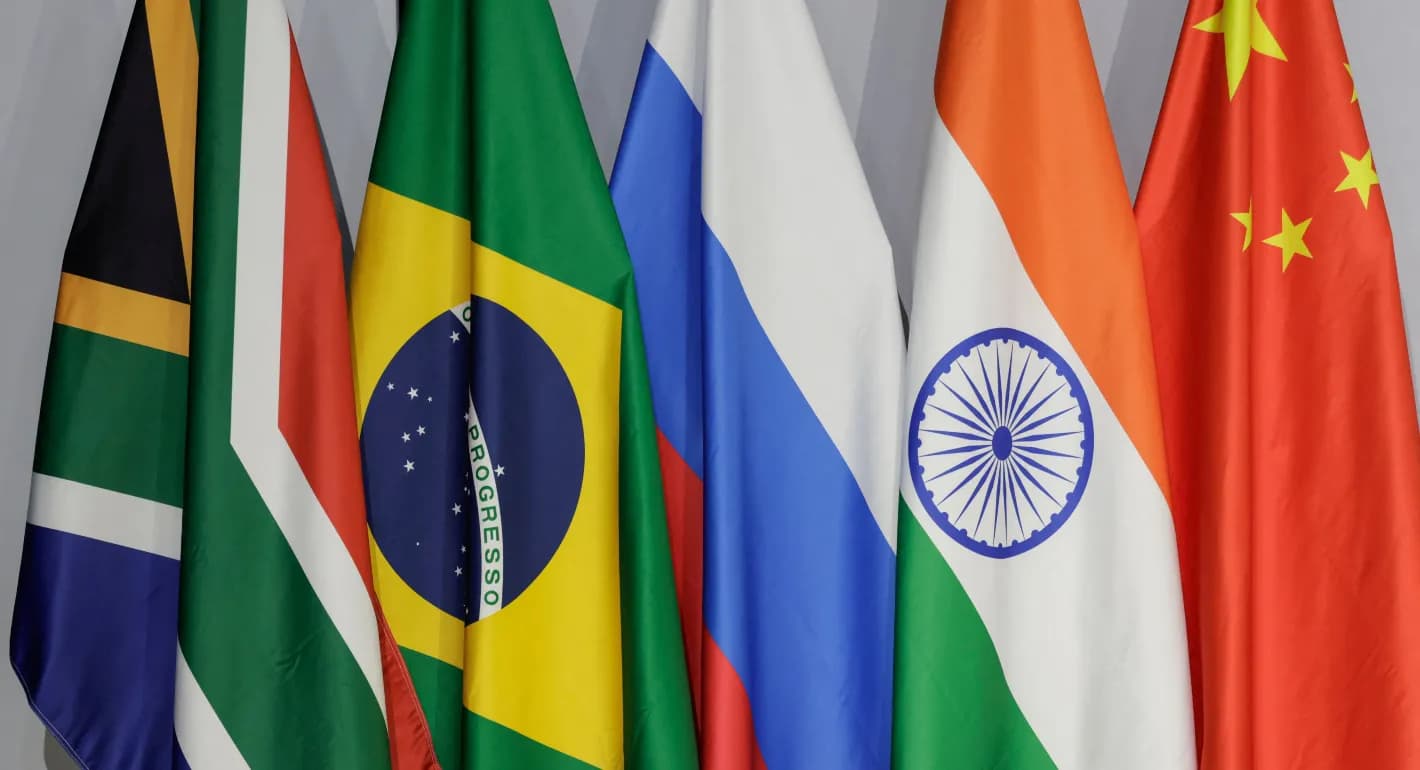
  • BRICS Composition: Initially five nations (Brazil, Russia, India, China, South Africa) expanded in 2024 to include Egypt, Ethiopia, Iran, Saudi Arabia, and UAE; Indonesia added in 2025.
  • Economic Influence: BRICS represents half of the global population, accounts for two-fifths of the global economy, and constitutes a fourth of global trade.

Geopolitical Context:

  • Global Conflicts: Increased tensions among members, particularly regarding the US-Israel-Iran situation, complicating consensus within BRICS.
  • US Position: Former President Donald Trump's administration's threat of tariffs due to alleged attempts to decrease US dollar dominance disrupts relations with BRICS.

India's Role:

  • Hosting the BRICS Summit in Delhi, India seeks to navigate these geopolitical complexities, enhancing its global stature amidst conflicting interests.

Economic Data:

  • Intra-BRICS Trade: The grouping has enhanced intra-BRICS economic cooperation, contrary to the perceived anti-Western stance often associated with BRICS.

Diplomatic Efforts:

  • The Modi government aims to balance ties with the US while enhancing India’s diplomatic prominence through its BRICS presidency.
  • Successful negotiations during the summit would mark a significant diplomatic achievement for India amidst global tensions.

International Relations:

  • BRICS serves as a counterbalance to Western alliances such as the G-7, providing India with leverage in international negotiations and policies.

Conclusion:

This summit emphasizes India's role on the global stage and the complexities of managing a diverse coalition of emerging economies amid significant geopolitical challenges.

Key Terms & Concepts

BRICSCoalition of emerging economies
G-20 SummitPrevious major multilateral conference
Egypt, Ethiopia, Iran, Saudi Arabia, UAENew members added in 2024
Trump administrationPotential threat to BRICS unity
U.S. dollarDominant global currency
2016, 2012, 2021Previous BRICS summits
half the world’s populationDemographic representation of BRICS
two fifths of the global economyEconomic contribution of BRICS
a fourth of global tradeTrade contribution of BRICS
2009Year BRICS summit first convened

Mind Map for UPSC Civil Services Revision

Turn UPSC Civil Services Current Affairs Into Exam-Ready Notes

Reading International Relations current affairs is half the work. Revise them with ready-made notes and test what actually stuck.

  • Daily UPSC Civil Services current affairs analysis
  • Revision notes, mind maps & MCQs
  • Prelims mock tests with instant results

Related UPSC Civil Services Current Affairs Articles

Israel Elections Impact on India-Israel Ties
International Relations27-Oct-2026

Israel Elections Impact on India-Israel Ties

Israel Elections 2026 Overview and Implications for India-Israel Relations

Key Facts and Figures

  • Date of Election: October 27, 2026.
  • Parliament Structure: The Knesset consists of 120 members.
  • Prime Minister Candidates:
  • Benjamin Netanyahu (Likud)
  • Gadi Eisenkot (Yashar, former army chief)
  • Naftali Bennett (former prime minister)

Domestic Political Landscape

  • Predictions: Pre-election surveys indicate a potential hung parliament, with no party likely to secure a majority.
  • Major Issues: Candidates focus on security, particularly concerning Iran, Hamas, and the Palestinian Authority.
    • Netanyahu emphasizes a hard stance against Hamas and opposition to Palestinian statehood.
    • Eisenkot proposes more moderate rebuilding efforts and limited engagement with the Palestinian Authority.

Implications for India

  • Core Interests:
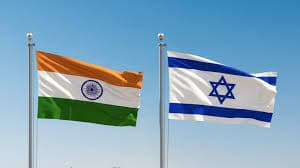
    • Defence Cooperation: India and Israel signed a memorandum of understanding on defense cooperation in November 2025 and elevated their relationship to a “Special Strategic Partnership for Peace, Innovation, and Prosperity” during Modi's February 2026 visit.
    • Technological Collaboration: Areas of focus include artificial intelligence, cybersecurity, water management, agriculture, and space.
    • Bilateral Trade: Ongoing negotiations for a free trade agreement with regional forums like I2U2 (India, Israel, US, UAE) and the India-Middle East-Europe Economic Corridor (IMEC).

Stability of Relations

  • Continuity Assured: Regardless of the election outcome, officials suggest India-Israel relations will remain strong.
    • Mishelle Sirota (Israeli Embassy Spokesperson): Stated that diplomatic ties will not change regardless of the election results.
  • Potential Changes:
    • A new Israeli prime minister could alter the dynamics of personal rapport with Indian Prime Minister Narendra Modi but key strategic interests are expected to persist.

Other Considerations

  • Strategic Balance: India will need to navigate its defense partnership with Israel while considering broader interests in the Gulf and West Asia, particularly concerning energy supplies and regional trade.
  • Regional Context: The outcome of the elections could affect India's diplomatic priorities and responses to rising tensions in West Asia, particularly in relation to conflicts involving Iran and its allies.

Summary

The elections in Israel are pivotal for shaping the future of India-Israel relations, with anticipation of continuity in defense and technological cooperation regardless of the outcome. While Netanyahu's potential victory would likely preserve existing channels of communication between him and Modi, any change in leadership could introduce new dynamics. Ongoing bilateral trade discussions and regional initiatives further underline the strategic importance of the relationship.

Complexities of US-Iran Conflict
International Relations26-Oct-2026

Complexities of US-Iran Conflict

Summary of Key Points on US-Iran Conflict and Military Strategy

Strategic Context:

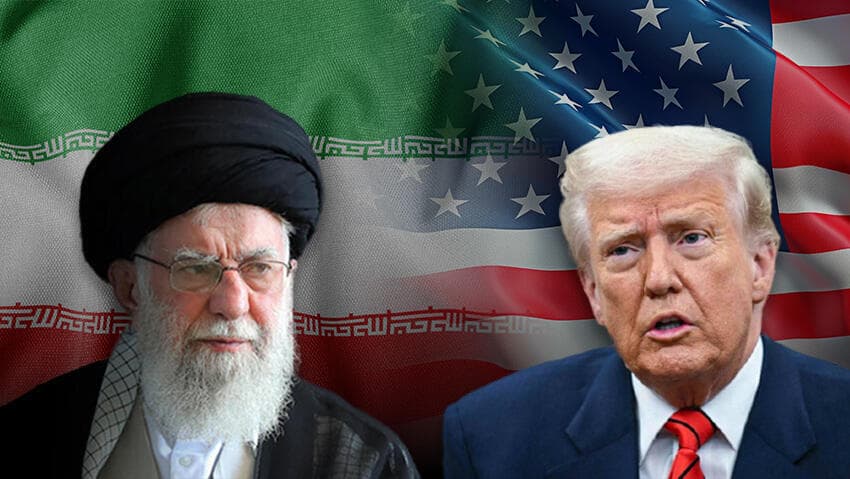
  • The US-Israel confrontation with Iran presents complex military and political challenges.
  • Military actions have damaged Iran's military infrastructure but have not achieved a decisive political outcome.
  • The fundamental question remains: what does victory look like in this conflict?

Military Considerations:

  • The US faces a dilemma in defining its objectives: whether to eliminate Iran's nuclear capabilities, dismantle missile systems, secure the Hormuz Strait, or change Iranian behavior.
  • Without a clear end state, further military escalation risks prolonging the conflict without resolving it.
  • Iran's strategy relies on asymmetric warfare, utilizing missiles, drones, and dispersed infrastructure to remain a significant threat.

Iran's Defense Strategy:

  • Iran has adapted to the US military's strengths by enhancing its unconventional warfare capabilities.
  • The country’s military strategy involves remaining threatening enough to complicate adversary operations rather than matching conventional US firepower.
  • Infrared technology and historical links with North Korea and China play a role in Iran’s military sustenance and replenishment capabilities.

Supply Chain Challenges:

  • Iran’s logistical networks and relationships with countries like Russia complicate sanctions and military efforts to isolate it.
  • Despite surveillance and naval controls, arms and military components have continued to flow through indirect networks across regional borders, demonstrated by groups like ISIS and the Houthis.

US Military Logistics:

  • The US is facing challenges regarding industrial capacity and the replenishment of munitions, including heavy consumption of missiles in combat operations.
  • Maintaining readiness in various global theaters (Ukraine, Indo-Pacific) limits the US's ability to address the conflict effectively against Iran.

Economic Aspects:

  • While Iran can sustain military operations, economic hardships due to inflation, disrupted trade, and reduced revenues may eventually limit its capabilities.
  • Political instability due to internal economic distress does not automatically lead to military vulnerability.

Iranian Resilience:

  • Iran can endure military punishment but the economic strain presents ongoing challenges.
  • A broader conflict involving neighboring regions or groups could escalate tensions without a clear resolution pathway.

Post-Election Implications:

  • The outcomes of the November 3 US midterms could affect President Trump’s strategic choices regarding military engagement and negotiations with Iran.
  • The US must balance the use of military force with diplomatic solutions to avoid indefinite conflict.

Conclusion:

  • Military success involves not just inflicting damage on the adversary but also achieving a sustainable resolution to the conflict.
  • The situation requires careful analysis of both military and diplomatic strategies to navigate ongoing tensions between the US, Israel, and Iran effectively.

Relevant Constitutional and International Considerations:

  • The discussion touches upon international relations and military engagement principles, possibly referencing international law governing warfare and the use of force.
  • The complex interactions highlight the importance of strategic clarity in foreign policy decision-making, emphasizing the need for a well-defined military and diplomatic approach.

This summary serves to encapsulate the multifaceted nature of the conflict and its implications for military strategy and international relations.

Ukraine Starlink Restrictions Explained
International Relations26-Oct-2026

Ukraine Starlink Restrictions Explained

Summary of Key Points on Starlink and Starshield in Ukraine Conflict

Overview of Starlink and Starshield:

  • Starlink: A satellite internet network developed by SpaceX, comprising over 11,000 satellites in low-Earth orbit. Launched in 2019, it provides internet connectivity through portable satellite dishes, enabling communication even when local networks are disrupted.
  • Starshield: A military-oriented service for government applications, developed using Starlink technology. It offers encrypted communications, surveillance capabilities, and specialized equipment for military use.

Recent Developments:

  • In mid-October 2026, Ukrainian forces faced connectivity issues with Starlink and Starshield, particularly affecting drone operations—especially when drones traveled faster than approximately 160 kmph.
  • On October 24, 2026, the Ukrainian Defence Ministry announced that operations were restored, achieving speeds above 400 kmph necessary for effective military operations.

Impacts on Military Operations:

  • Ukrainian drones utilize satellite technology for extensive operational range and control. Communications disruptions resulted in operational risks, such as interruptions lasting 10-20 seconds and forced mission cancellations.
India-China Tensions in Arunachal Pradesh
International Relations25-Oct-2026

India-China Tensions in Arunachal Pradesh

Summary of India-China Border Tensions in Arunachal Pradesh

Border Friction

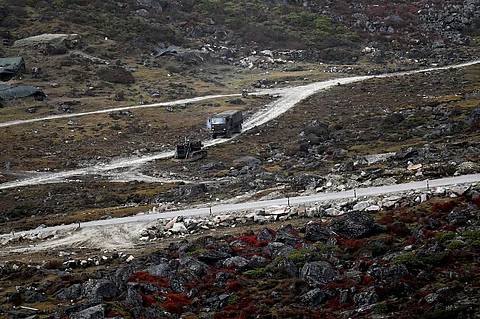
  • Location: Arunachal Pradesh, near Asaphila and Taksing in Upper Subansiri district.
  • Conflict Timeline: Increased face-offs since late July 2026 due to Chinese PLA actions deviating from established patrolling patterns.
  • Chinese Claims: China asserts territorial claims over Arunachal Pradesh, referring to it as "Zangnan" or "South Tibet." India firmly rejects these claims and asserts that Arunachal Pradesh is an "inalienable and integral part" of India.

Indian Government Actions

  • Identification of Locations: On April 2026, India officially identified 27 places in Arunachal Pradesh on its map, including the border village of Longju, controlled by China since 1959.
  • Government Statements: The Ministry of Home Affairs stated that this naming initiative intends to enhance public awareness and accurate recognition of Indian territory.

Military and Diplomatic Developments

  • Military Encounters: Face-offs confirmed by ITBP Director General Shatrujeet Kapur; no violent clashes reported.
  • Political Reactions: Congress president Mallikarjun Kharge expressed concerns over national security and government responses to ongoing tensions.
  • Recent Diplomatic Engagements:
    • Corps Commander-level talks held on September 6 at Wacha-Damai border meeting point.
    • National Security Advisor Ajit Doval and Chinese Foreign Minister Wang Yi met on August 25 to discuss boundary issues.

Historical Context and Implications

  • Ongoing Tensions: Relations between India and China have strained since the 2020 military standoff in eastern Ladakh, necessitating ongoing diplomatic efforts.
  • Need for Stability: External Affairs Minister S. Jaishankar emphasized that peace along the Line of Actual Control (LAC) is essential for normal bilateral relations. Concerns highlighted the consequences of conflicts such as the 2020 Galwan Valley clashes, which ended a 45-year period without bloodshed.

Constitutional & Legal References

  • India’s Territorial Integrity: The issue reflects the constitutional concept of the inviolability of the Indian territory, relevant under Article 1 which declares India as a Union of States, ensuring its sovereignty and territorial integrity.

International Relations

  • The situation underscores broader geopolitical dynamics in the region, highlighting the importance of maintaining dialogue and the significance of international engagement to resolve disputes peacefully.

This summary encapsulates the key facts and developments concerning the ongoing India-China border tensions while maintaining focus on factual data, legal ramifications, and governmental responses without extraneous commentary.

India-Japan Bullet Train Project Updates
National and International Importance25-Oct-2026

India-Japan Bullet Train Project Updates

Summary of the Mumbai-Ahmedabad High-Speed Rail (MAHSR) Project

Project Overview

  • Launch Date: September 2017
  • Length: 508 km
  • Estimated Completion: Initially by 2022, now expected by December 2027.
  • Collaboration: Joint venture between India and Japan, leveraging Japan's Shinkansen technology (300 km/h trains).

Delays and Challenges

  • Causes for Delays:
    • COVID-19 pandemic disruptions.
    • Land acquisition issues following changes in Maharashtra's government post-2019 elections.
    • Misalignment between Indian and Japanese negotiations regarding project details and expectations.
  • Cost Overrun: Estimated cost has nearly doubled from ₹1.08 lakh crore to about ₹2 lakh crore.

Government Response

  • The Indian government plans to allocate a special budget to address the increased project costs, with an emphasis on adhering to proper planning and statutory regulations before incurring major capital expenditure.
  • The developments highlighted the vulnerability of Ukraine’s reliance on satellite communications amid ongoing conflict; the country’s military operations are heavily dependent on these technologies.
  • Government and Military Oversight:

    • While SpaceX operates Starlink, the US government is a significant user of Starshield, contributing billions in contracts. Control dynamics between SpaceX and the US government raised concerns after restrictions were reported.
    • Reports indicated the restrictions were potentially ordered from within the White House, underlining ambiguity about decision-making authority affecting performance.

    Economic and Strategic Implications:

    • The situation reflects broader geopolitical tensions between Washington and Kyiv, especially amid directives from former US President Donald Trump to Ukraine—including calls to cease attacks on Russian targets.

    Background Context:

    • The ongoing conflict between Russia and Ukraine has led to increasing reliance on technology like satellite communications. Both Starlink and Starshield play critical roles in military strategy and logistics.

    Conclusion:

    The recent incident regarding Starlink and Starshield highlights significant dependencies of Ukraine's military on technology controlled by external entities, raising questions of operational autonomy and the implications of foreign influence in warfare.

    Revised Project Plans

    • Design and Engineering: Hybrid approach with:
      • Japanese track and civil design.
      • European signaling systems.
      • Indian-manufactured rolling stock trains.
    • Signaling Contract: Awarded to a European-Indian joint venture, diverging from the initial plan to use Japanese signaling systems.
    • Bullet Train Design: Indian Bullet Train (B28) developed by BEML can achieve speeds of 250 km/h.

    Technical Advisory

    • Japanese experts stressed the integration of different train systems (B28 and E10) in the same corridor would require comprehensive safety assurances, advocating for a unified systems approach reflective of Shinkansen principles.

    Lessons Learned and Future Collaborations

    • Need for Japanese organizations to adapt their offerings for international markets.
    • Recognition of the importance of trust and detailed planning in negotiations to improve future cooperation between Japan and India.

    Key Government Schemes and Policies

    • National High Speed Rail Corporation Ltd: Implementing agency responsible for the project.

    Economic Indicators and Financial Aspects

    • Signaling Contract Value: Approximately ₹4,100 crore, awarded to a consortium including Dineshchandra R Agrawal Infracon, Siemens Ltd, and Siemens Mobility GmbH.
    • Maintenance Services: Siemens to provide 15 years of maintenance for the European Train Control System Level 2.

    Notable International Cooperation

    • The MAHSR project exemplifies India and Japan's strategic partnership, which has evolved to incorporate various technological influences and adapt to local needs amidst practical challenges.

    Conclusion

    The Mumbai-Ahmedabad High-Speed Rail project, while ambitious and technologically advanced, has encountered various challenges leading to significant delays and cost increases. The pragmatic adaptations in project execution, particularly the hybrid technological approach and robust international cooperation, reflect ongoing efforts to address these challenges and enhance infrastructural capabilities in India.