iAspirants
Challenges Facing Indian Exports
Published on:
Share this post
Article Summary
Key Insights from the Board of Trade Meeting on Export Issues
Export Challenges:
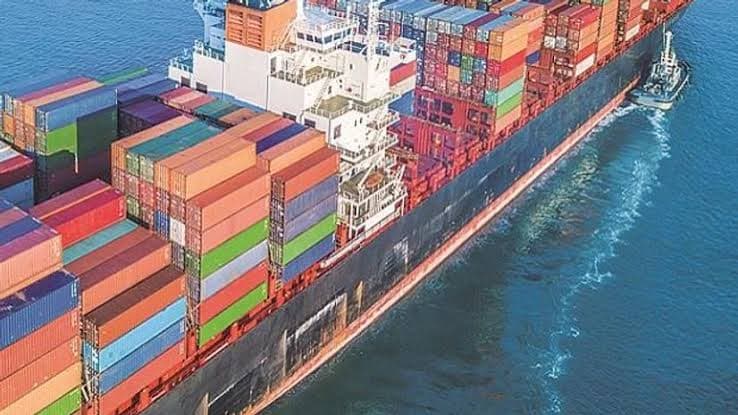
- Exporters face hurdles due to high US tariffs (50%) and additional issues such as increased raw material costs, lack of testing facilities, and shipping container shortages.
- Critical sectors affected: gems and jewellery, pharma, seafood, textiles.
US Tariffs Impact:
- US tariffs, effective August 27, 2025, have caused order cancellations and delayed payments for Indian exporters, threatening competitiveness against countries like Bangladesh and Vietnam.
- The Spices Board highlighted a crisis due to a 50% tariff on oleoresins.
Export Growth Fluctuations:
- A dip in exports was noted in October; however, a 19% increase was reported in November, primarily from goods outside the tariff network.
- Labour-intensive goods (e.g., garments) are at risk due to shifting demand.
Government Schemes and Initiatives:
- The Export Promotion Mission (EPM), announced in the budget, aims to boost exporter competitiveness, especially in landlocked states. Details were finalized in late December 2025.
- The Market Access Initiative has not been funded for nine months, requiring urgent attention.
Free Trade Agreements:
- India signed three FTAs with Oman, New Zealand, and the UK in 2025 and is negotiating further agreements with various countries, including the EU, Australia, and Canada.
Quality Control Orders (QCOs):
- The government is revising QCOs that have negatively impacted MSMEs due to increased costs of raw materials. Seven QCOs concerning key minerals were revoked.
Infrastructure and Testing Facilities:
- A lack of testing facilities plagues many sectors, hindering compliance with international quality standards.
- Suggestions include the establishment of regional testing labs to avoid shipment delays, particularly for states lacking adequate facilities.
Impediments from Regulatory Costs:
- Domestic raw material prices are 15-20% higher than international rates, affecting overall competitiveness.
- The Bureau of Indian Standards (BIS) imposes complex standards even for exported goods, necessitating simplification.
Investment Opportunities:
- Investment proposals include a ₹1000 crore industrial park by Sembcorp and interests from EMMAR and Capital Land to set up tourism and industrial facilities. States are urged to identify land for these developments.
International Trade Context:
- The US has initiated multiple anti-dumping investigations targeting Indian exports, which poses additional risks to the trade landscape.
- The necessity for improved negotiation and export strategies is critical given these challenges.
Conclusion
The Board of Trade meeting highlighted significant challenges and opportunities within India's export framework. With the backdrop of high US tariffs and various infrastructural impediments, the government emphasizes enhancing quality standards, revising regulatory measures, and pursuing new markets through trade agreements. Continued focus on these areas is vital for revitalizing India's export growth trajectory.
Key Terms & Concepts
| US Tariffs | Hindrance to exports competitiveness |
| Board of Trade | Advisory body for trade measures |
| 50% | US tariff percentage on exports |
| Free Trade Agreements | Trade facilitation with countries |
| Export Promotion Mission (EPM) | Scheme to enhance export competitiveness |
| Quality Control Orders (QCOs) | Regulation affecting MSMEs |
| Sembcorp | Investor in industrial park |
| Marine Products Export Development Authority | Authority for marine product exports |
| Export Inspection Council (EIC) | Certification authority for exports |
| 90% | Estimate of drop in exports to US sector |
| December 31, 2025 | Date for scheme modalities announcement |
| Bangladesh, Vietnam, China | Competitors in export market |