iAspirants
Challenges in India's Economic Growth.
Published on:
Share this post
Article Summary
Key Highlights on India's Economic Landscape and Gender Employment Issues
National Goals & Challenges
- Vision 2047: India aspires to become a developed country (Viksit Bharat) by 2047.
- Youth Unemployment: Youth unemployment is currently double compared to 2012 levels.
Economic Indicators
- GDP Growth Rate: Official figures suggest a growth of 6.2% per annum; however, more accurate estimates position it around 4.5%.
- Investment to GDP Ratio: A collapse in aggregate demand has led to a reduction in the investment to GDP ratio.
Gender Employment Statistics
- Women’s Work Participation Rate (WPR): Stands below 30%, one of the lowest globally, with significant comparisons to countries in the Middle East.
- Education vs. Employment: Despite increased educational attainment among young women, the rate of employment remains low, particularly in rural areas.
Economic Growth Dynamics
- Female Participation Impact: An increase of 10-percentage-points in female WPR could contribute nearly 2% to GDP growth.
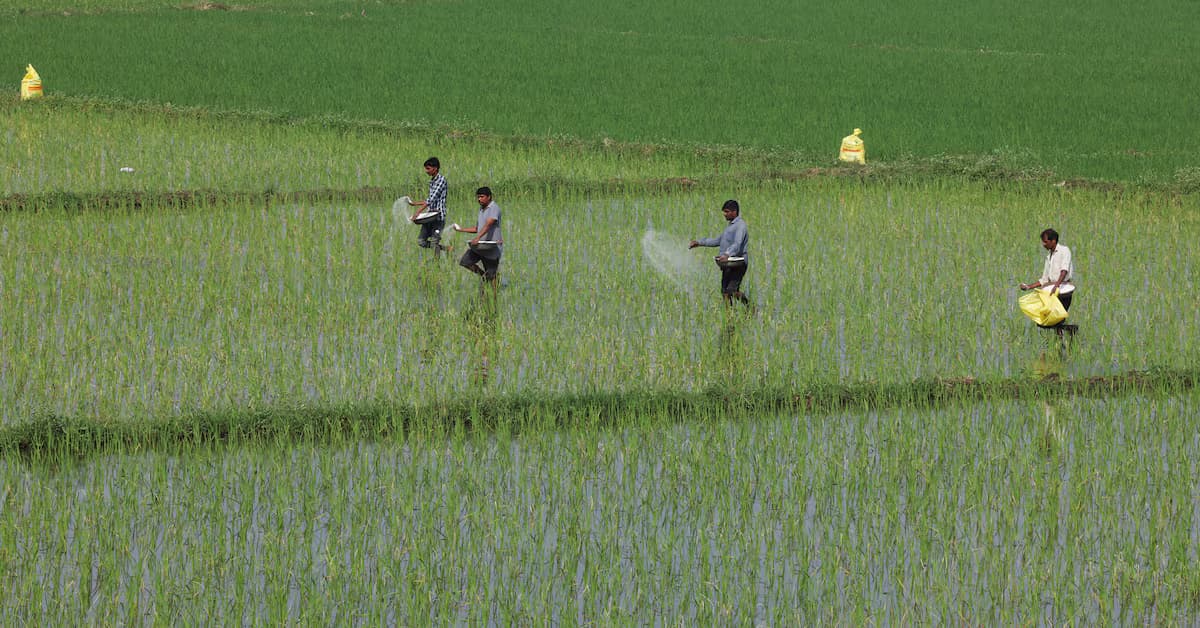
- Historical Trends: Feminization of agriculture noted post-2020 due to economic distress from the COVID-19 pandemic, with women moving towards unpaid family labor in agriculture.
Structural Economic Issues
- Sector Focus: Recent GDP growth has been concentrated in capital-intensive industries; labor-intensive sectors like textiles and food processing saw employment declines from 2013 to 2019.
- Youth Employment: Young women's unemployment rates are higher than young men's, evidencing a broader north-south divide in employment opportunities.
Regional Success Stories
- Tamil Nadu as a Model: Over 40% of India’s women factory workers are concentrated here, attributed to a thriving textiles industry, better mobility, literacy, and supportive infrastructure for female workers.
Government Policies and Social Interventions
- Education Initiatives: Gender parity at secondary education level achieved between 2010-2015, evidence of progress but countered by increasing unemployment among educated females.
- Need for Investment: States in the Hindi belt need to improve health and education for girls to achieve better employment outcomes.
Judicial and Policy Considerations
- Legislative Support: There's a notable need for policies that support job creation in manufacturing sectors, as previous programs like "Make in India" have not yielded expected employment levels.
International Context
- Global Comparisons: India’s labor force participation rates for women are low compared to countries with similar economic conditions, necessitating comprehensive reforms.
Conclusion
For India to realize its potential as a developed nation, enhancing women's employment and addressing gender inequalities across various sectors are critical. This includes reevaluating both economic policies and the structural transformation of industries to absorb a larger workforce.
Key Terms & Concepts
| Viksit Bharat | India's aspiration for development |
| 2047 | Target year for development |
| 6.2% | Government GDP growth figure |
| 4.5% | Actual GDP growth estimate |
| 10-percentage-point | WPR increase contribution to GDP |
| 30% | Current female WPR in India |
| 1983-2018 | Period of WPR decline |
| COVID-19 | Economic distress factor |
| Tamil Nadu | State with high female employment |
| 40% | Women factory workers in Tamil Nadu |
| 15% | Bihar’s female WPR |
| 1.2 billion | Population estimate |
| 2010-2015 | Period of gender parity achievement |