iAspirants
Challenges in India's Electoral Roll System
Published on:
Share this post
Article Summary
Summary of Key Points on the Electoral Rolls Scrutiny
Election Commission of India (ECI) and the SIR:
- The Systematic Identification of Residents (SIR) is being executed in 12 States and Union Territories (UT).
- The methodology of the SIR is under judicial scrutiny due to concerns about its implementation and effects on the electorate.
Judicial Context:
- Ongoing Supreme Court hearings address challenges to the constitutional validity of the SIR process, initially developed in Bihar.
- The Gauhati High Court ruling in Dr. Manmohan Singh (1999) characterizes an "ordinary resident" as someone habitually residing at a location, implying that any reasonable person should be accepted as a voter based on residence.
Electoral Roll Methodology:
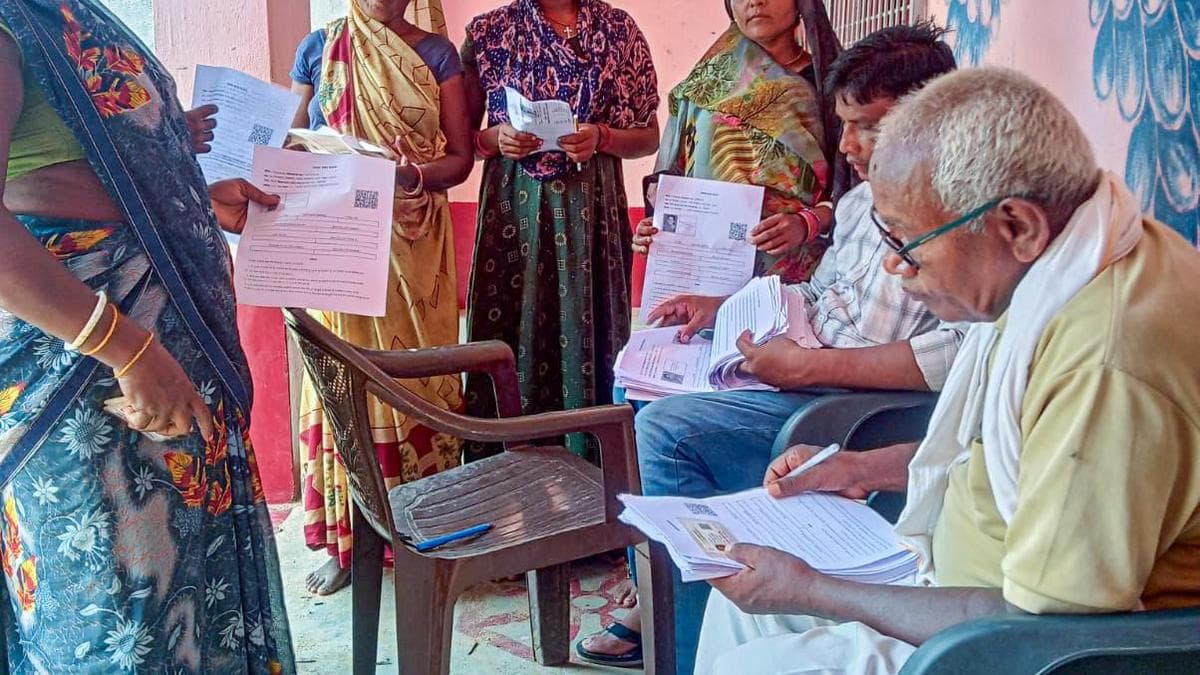
- Voters must fill enumeration forms provided by Block Level Officers (BLO) and verify personal information against electoral rolls from 2002-2005.
- Issues noted include an actual decline in the gender ratio among voters and underserved populations struggling to access enumeration forms.
Constitutional Implications:
- The burden of proof has shifted from the state to citizens, requiring voters to validate their legitimacy against previous records, potentially disenfranchising groups like married women and migrants.
- Courts have recognized that rigid interpretations of residency requirements can undermine the democratic process.
Implementation Oversight:
- During the proceedings related to Bihar, the Court emphasized the necessity for political party representatives and legal volunteers to protect the rights of genuine voters, while failing to address the constitutional adequacy of the SIR methodology.
- Concerns have been raised about inaccuracies in the electoral rolls, attributed to rushed work performed by BLOs.
Recommendations Moving Forward:
- Calls for ECI to adopt a thorough door-to-door verification process to ensure universal adult franchise as opposed to the current “purification” approach of electoral rolls.
- The ECI should bear the responsibility of accurate enrolment rather than leaving voters to justify their presence on the rolls.
Potential Outcomes:
- If effective oversight and procedural amendments are not established, the approach could lead to significant voter disenfranchisement and trust issues in the electoral process.
This summary highlights critical legal, procedural, and social aspects related to the electoral rolls, emphasizing the need for a fair and inclusive electoral process as mandated by constitutional principles.
Key Terms & Concepts
| Election Commission of India | Conducts electoral roll processes |
| Gauhati High Court | Judicial interpretation of voting laws |
| Representation of the People Act, 1950 | Legal framework for voting |
| 2002-2005 | Base years for electoral records |
| Electoral rolls | List of eligible voters |
| gender ratio | Demographic statistic in voting |
| door-to-door verification | Proposed verification method |
| purifying the rolls | Focus of the SIR approach |
| Bihar | State with implementing challenges |
| November 28, 2025 | Publication date of article |