iAspirants
Cheetahs Released in Madhya Pradesh
Published on:
Share this post
Article Summary
Summary of Key Facts and Data on Cheetah Reintroduction in Madhya Pradesh
Cheetah Reintroduction Overview:
- Event: Release of Cheetahs in Kuno National Park (KNP), Madhya Pradesh, on International Cheetah Day.
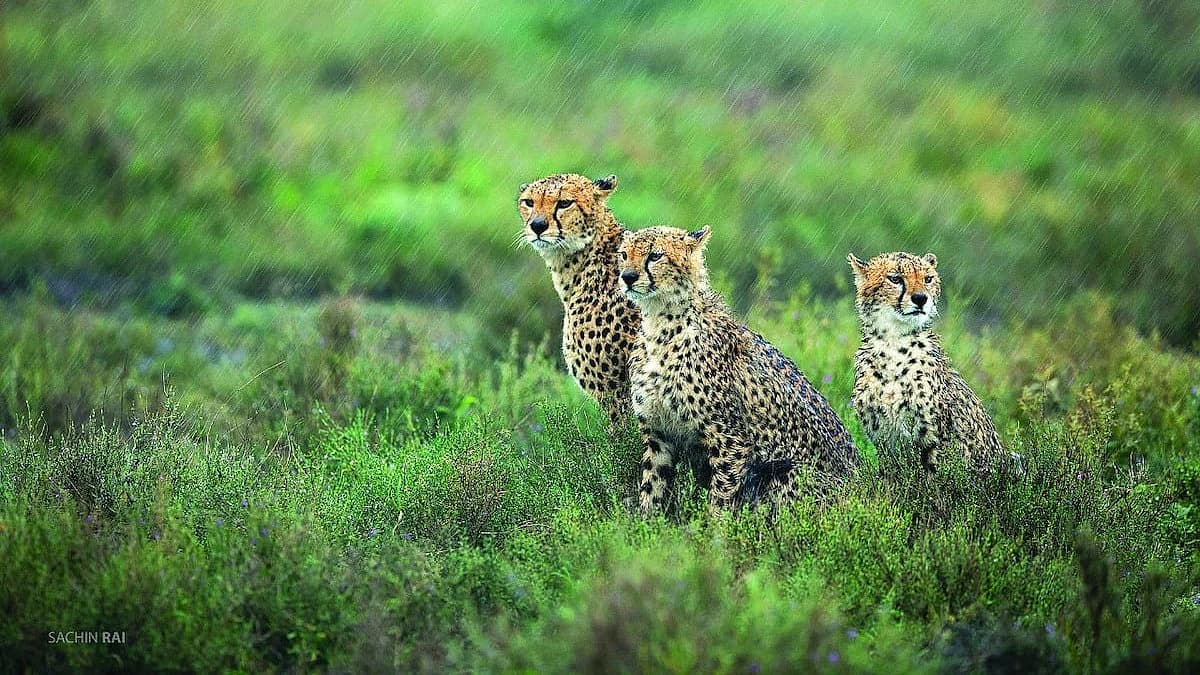
- Cheetahs Released: 3 Cheetahs - female Veera and her two 10-month-old cubs.
- Location of Release: Parond forest region, Kuno National Park.
Context and Background:
- Cheetah Extinction in India: Cheetahs have been extinct in India since 1952.
- Reintroduction Program Start: Initiated on September 17, 2022, by Prime Minister Narendra Modi with the release of 8 Cheetahs from Namibia.
- Subsequent Releases: Additional 12 Cheetahs brought from South Africa.
Current Cheetah Population in India (as of the latest update):
- Total Cheetah Population: 32 Cheetahs
- Indigenous Born: 21 (including third generation cubs).
- Location:
- KNP: 29 Cheetahs (majority).
- Gandhisagar Wildlife Sanctuary: 3 Cheetahs relocated.
Deaths in the Program:
- Total Cheetah deaths since the program's inception: 19 Cheetahs (comprising 9 adults and 10 cubs) due to various causes.
Future Plans:
- Additional Cheetahs: Eight more Cheetahs to be received from Botswana, following a donation during President Droupadi Murmu’s visit. These cats will undergo quarantine in Botswana before translocation to Kuno.
Government and Ecological Impact:
- Local Economy: Increased tourism in Kuno region, noted to have risen fivefold. Expected job opportunities for the local population.
- Conservation Efforts: The initiative symbolizes India’s commitment to wildlife conservation and biodiversity restoration.
Scientific and Educational Developments:
- The Chief Minister also launched the Kuno National Park Calendar for 2026 and a Field Manual for Clinical Management of Free Ranging Cheetahs in KNP.
International Treaties and Agreements:
- The Cheetah reintroduction program falls under international wildlife conservation efforts, highlighting cooperation between India and African nations (Namibia, South Africa, Botswana).
Environmental Significance:
- Supports biodiversity restoration in India and ensures ecological balance through wildlife conservation, proving vital for ecosystem health.
This structured summary encapsulates important data regarding the Cheetah reintroduction initiative, reflecting India’s efforts towards wildlife conservation, local economic development, and international collaboration in ecological matters.
Key Terms & Concepts
| Kuno National Park | Habitat for Cheetah species |
| International Cheetah Day | Event for Cheetah awareness |
| Project Cheetah | Initiative for Cheetah reintroduction |
| Namibia | Origin of translocated Cheetahs |
| South Africa | Source of additional Cheetahs |
| Botswana | Donor of future Cheetahs |
| 1952 | Cheetah extinction year in India |
| 32 | Total Cheetah population in India |
| 19 | Cheetah casualties at Kuno |
| 2026 | Calendar release year |
| Droupadi Murmu | President engaged in wildlife initiative |
| Mokolodi nature reserve | Quarantine location in Botswana |