iAspirants
HomeAbout UsCurrent AffairsPrelims PYQsPricing
iAspirants
HomeAboutBlogsFAQsPricingLogin
Privacy PolicyTerms & ConditionsReturn PolicyContact Us

© 2025 iAspirants, Inc. All rights reserved.

  1. Blogs
  2. Art and Culture

Chennimalai Weavers Workshop Announcement

Published on: 15-Aug-2026

Share this post

Chennimalai Weavers Workshop Announcement

Article Summary

Summary of Chennimalai Handloom Activities and Initiatives

  1. Weaving Tradition:

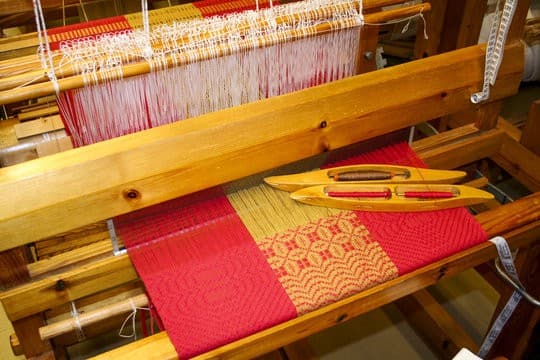
    • The weavers of Chennimalai have a longstanding tradition of handloom fabric crafting, passed down through generations.
  2. Workshops and Education:

    • Founder: C. Sivagurunathan founded the Nurpu Handloom Collective in 2016 after leaving a career in IT.
    • Upcoming Event: A two-day workshop titled "Exploring Handspin & Handloom Techniques" is scheduled for August 22-23, 2026, from 10 am to 5 pm.
    • Participants will learn the entire lifecycle of fabric production, from spinning cotton on a wooden charkha (takali) to weaving on handlooms.
    • Attendees will create their own fabric pieces to take home and have the option to purchase a takali for ₹400.
  3. Educational Focus:

    • Previous participants of workshops have included students from fashion design programs, school students, and architects from cities such as Coimbatore, Chennai, and Bengaluru.
    • Discussion sessions will address the lives and working conditions of weavers, promoting awareness of direct purchases from weavers versus commercial clothing brands.
    • Evening documentary screenings will further enrich discussions.
  4. Additional Programs:

    • Nurpu offers a seven-day intensive session for deeper learning, including visits to the homes of weavers for first-hand experience.
    • Internship programs lasting six months are available, designed to engage participants with the weaving community.
  5. Social Impact:

    • Sivagurunathan emphasizes the importance of providing visibility to weavers and their craft. He advocates for direct consumer support for handmade products.
  6. Economic Aspects:

    • The initiative aims to improve the livelihoods of the 20 weavers in the collective while fostering an appreciation for handloom textiles.
  7. Sustainability and Craft Revival:

    • The workshops aim to rejuvenate interest in traditional handloom techniques and promote sustainable practices in fashion.
  8. Registration Information:

    • Interested individuals can register for the workshop through the Nurpu website or by phone.

This workshop and the activities of the Nurpu Handloom Collective reflect a blend of cultural heritage, education, and sustainable economic practices, aiming to preserve and enhance traditional weaving crafts in Chennimalai.

Key Terms & Concepts

Nurpu Handloom CollectiveOrganizes handloom workshops
C SivagurunathanFounder of Nurpu Collective
MPN Colony, ChennimalaiLocation of workshops
₹400Price of takali
August 22 and 23, 2026Dates of the workshop
six-month internship programmeTraining opportunity offered
fashion designing studentsParticipants in workshops
handloom and handspin techniquesFocus of the workshop

Mind Map for UPSC Civil Services Revision

Turn UPSC Civil Services Current Affairs Into Exam-Ready Notes

Reading Art and Culture current affairs is half the work. Revise them with ready-made notes and test what actually stuck.

  • Daily UPSC Civil Services current affairs analysis
  • Revision notes, mind maps & MCQs
  • Prelims mock tests with instant results

Related UPSC Civil Services Current Affairs Articles

Eminent Historian Sumit Sarkar Passes Away
Art and Culture14-Aug-2026

Eminent Historian Sumit Sarkar Passes Away

  • Individual Profile: Sumit Sarkar, a prominent Marxist historian, passed away at the age of 87 in New Delhi. He was a notable scholar of modern Indian history and had a significant teaching career at the University of Delhi and abroad.

  • Academic Contributions:

  • Authored key works including:
    • "Swadeshi Movement in Bengal, 1903-1908" (1973)
    • "Modern India" (1989)
    • "Writing Social History" (1998)
  • Co-edited influential texts such as "Women and Social Reform in Modern India" (2007) and "Caste in Modern India" (2013).
  • Education:

    • Completed BA (Honours) in History at Presidency College, Kolkata.
    • Obtained Master’s and Ph.D. from the University of Calcutta.
  • Recognition:

    • Remembered as a “doyen of historians” and praised for his engaging teaching style and ability to convey complex ideas succinctly.
    • Described as a rare Marxist historian who explored culture and emotions, in addition to economic perspectives.
  • Impact on Students and Colleagues:

    • Students and colleagues recalled him as an inspiring educator who fostered intellectual growth and engagement.
    • His death is seen as a significant loss to the academic community and history students.
  • Legacy: His extensive research and writings have contributed to a deeper understanding of 19th and 20th-century Bengal and Indian history.

  • Philosophy of Truth in Vedas
    Art and Culture11-Aug-2026

    Philosophy of Truth in Vedas

    • Philosophical Context: The Vedas emphasize the importance of truth as an absolute principle that guides moral conduct, distinguishing right from wrong.
    • Literary Contribution: Sekkizhaar, during the reign of Kulothunga Chola II, authored the "Peria Puranam," which underscores the philosophical aspects of life amidst a prosperous society that celebrated material wealth.
    • Key Figures:
      • The text centers on the 63 Nayanmars, a group of Saivite saints, known for their deep devotion and dedication to Lord Shiva.
      • Somasimaara Nayanar, a prominent figure, is highlighted for his unwavering devotion, consistent chanting of the Panchakshara mantra, and personal service to spiritual leaders.
    • Cultural Significance: The narratives of the Nayanmars reflect a selfless love for humanity and a commitment to serving God, demonstrating enduring faith within societal frameworks.
    • Spiritual Practices:
      • Somasimaara’s habit of conducting yagas (rituals) and his belief in honoring devotees, irrespective of their social status, is notable.
      • His interactions with divine figures, including the disguised appearances of Shiva and Parvati during his yaga, signify an integral aspect of devotion in Saivite practices.
    • Devotional Ethos: The overarching message is the principle that true service and faith in God lead to divine acknowledgment and fulfillment.

    This text illustrates the intersection of literature, spirituality, and societal values in ancient India, particularly within the Saivite tradition through the lens of figures like Sekkizhaar and Somasimaara Nayanar.