iAspirants
Child Trafficking Prevention Guidelines
Published on:
Share this post
Article Summary
Summary of Key Facts on Child Trafficking in India
Legal Framework & Constitutional Provisions
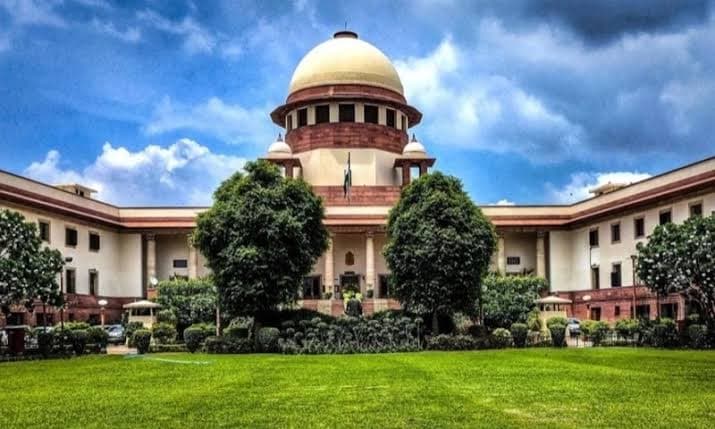
- Supreme Court Ruling: In K. P. Kiran Kumar vs. State, the Supreme Court issued strict guidelines to address child trafficking, affirming it violates children's fundamental right to life under the Constitution.
- Constitution Articles:
- Article 23: Prohibits trafficking and forced labor.
- Article 24: Prohibits employment in hazardous industries.
- Article 39: Obligates the state to protect children from exploitation and neglect (Clauses e and f).
Legislative Measures
- Bhartiya Nyaya Sanhita (BNS) 2023:
- Section 143: Defines trafficking for exploitation including coercive methods (threats, abduction, deception).
- Immoral Traffic (Prevention) Act, 1956: Addresses prevention of trafficking for sexual exploitation.
- Juvenile Justice (Care and Protection of Children) Act, 2015: Provides care and rehabilitation for trafficking victims.
- Criminal Law Amendment Act, 2013: Broadens the definition of trafficking to include forced labor, slavery, and organ removal regardless of consent.
- Protection of Children from Sexual Offences (POCSO) Act, 2012: Defines sexual offences against children, imposes severe penalties including life imprisonment, and establishes 400 fast-track courts for speedy disposal of cases.
International Agreements
- Palermo Protocol (2000): Defines child trafficking as recruitment, transportation, transfer, harboring, or receipt of a child for exploitation.
Trends and Statistics
- Child Rescue Data:
- 3,098 children below 18 rescued in 2022.
- Over 53,000 children rescued from trafficking, labor, and kidnapping between April 2024 - March 2025.
- Conviction Rates: Alarmingly low conviction rate of only 4.8% for trafficking offenses recorded from 2018 to 2022.
Judicial Precedents
- Vishal Jeet vs. Union of India (1990): Emphasized preventive approaches to combat trafficking and child prostitution as socio-economic issues.
- M. C. Mehta vs. State of Tamil Nadu (1996): Issued guidelines to prohibit child employment in hazardous industries.
- Bachpan Bachao Andolan vs. Union of India (2011): Court directed measures to combat exploitation and trafficking with a focus on socio-economic vulnerabilities.
Societal and Economic Concerns
- Vulnerability Factors: Poverty, unemployment, migration, disasters, and family breakdown are significant contributors to child trafficking.
- Impact of Technology: Increase in trafficking cases through online platforms, often disguised as job opportunities.
Government Responsibilities
- Advocating for the protection of socio-economic and political rights of children.
- Enhancing law enforcement efforts against traffickers and improving conviction rates.
- Emphasizing better coordination between Union and State authorities since law and order are under State jurisdiction.
Conclusion
This consolidated information highlights the severe issue of child trafficking in India, emphasizing the legislative measures, judicial rulings, constitutional protections, current statistics, and the socio-economic factors contributing to the problem. Continuous effort is essential to protect children and improve legal responses against trafficking.
Key Terms & Concepts
| K. P. Kiran Kumar vs State | Supreme Court decision on trafficking |
| National Crime Records Bureau | Reported child rescues in 2022 |
| Palermo Protocol | International definition of trafficking |
| Bhartiya Nyaya Sanhita (BNS) 2023 | Legal definition of trafficking |
| Articles 23 and 24 | Constitutional protections for children |
| Sections 98 and 99 | Addressing selling and buying of minors |
| Immoral Traffic (Prevention) Act, 1956 | Prevention of trafficking for sexual exploitation |
| Juvenile Justice (Care and Protection of Children) Act, 2015 | Protection and rehabilitation for victims |
| Criminal Law Amendment Act, 2013 | Broadened definition of trafficking |
| Protection of Children from Sexual Offences (POCSO) Act, 2012 | Defines sexual offences against children |
| Vishal Jeet vs Union of India, 1990 | Judicial recognition of trafficking issues |