iAspirants
China-India Dialogue Mechanisms Discussed
Published on:
Share this post
Article Summary
Summary of China-India Diplomatic Talks (June 22, 2026)
Meeting Context:
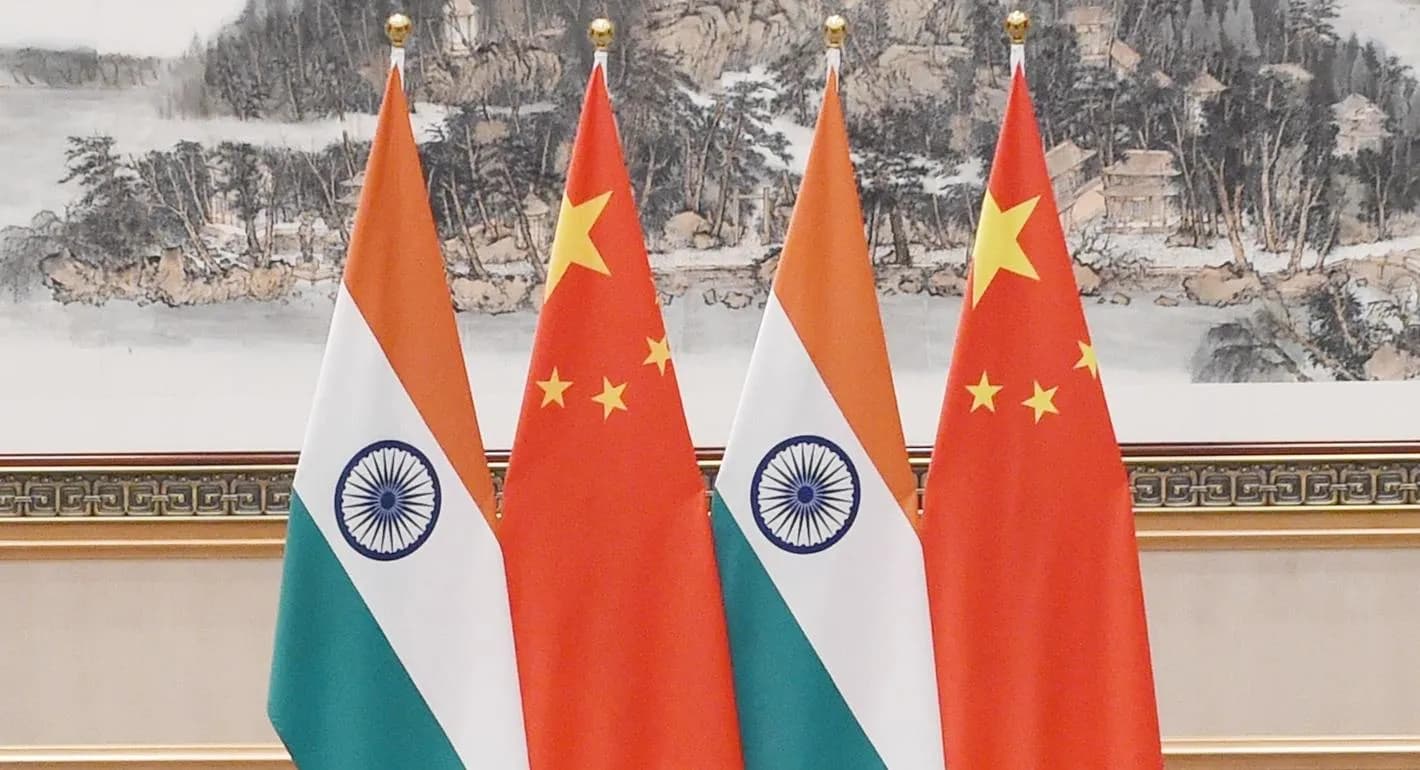
- Chinese Foreign Minister Wang Yi met National Security Adviser Ajit Doval in New Delhi on June 22, 2026.
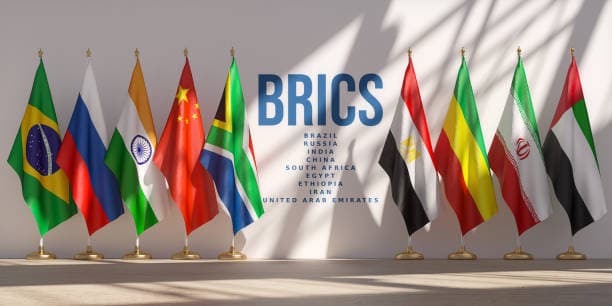
- Discussions were held on the sidelines of the BRICS National Security Advisors meeting.
Calls for Dialogue:
- Wang emphasized the need to accelerate the resumption of dialogue mechanisms and promote exchanges across trade, finance, and other areas.
- Reference made to nearly 50 government-to-government dialogue mechanisms, most of which are "stalled".
Bilateral Relations:
- Both leaders recognized the importance of stable bilateral relations for building trust and mutual understanding.
- Progress noted towards gradual normalization of relations, despite certain measures (e.g., resuming direct flights) experiencing delays.
Key Themes from Discussions:
- Both sides regarded each other as partners, not rivals, which has been highlighted in previous meetings of their respective leaders, Xi Jinping and Narendra Modi (e.g., Kazan in October 2024 and Tianjin in August 2025).
- Cooperation framed as crucial for navigating the strategic landscape of the Global South.
Core Interests and Sensitive Issues:
- Wang Yi highlighted the necessity of respecting each other’s core interests and handling sensitive issues appropriately.
- The boundary issue was pointed out as a significant consideration in maintaining overall bilateral relations.
International Positioning and Responsibilities:
- Emphasis on China and India being populous economies that should approach bilateral relations with a long-term view.
- Calls for joint advocacy for the Global South through platforms like BRICS, aiming for multipolarization and safeguarding developing countries' rights.
Public Perception and Social Support:
- Both parties encouraged fostering correct perceptions within their societies to support improved bilateral relations.
Statements from Officials:
- Doval remarked on India's historical recognition of New China and reiterated India’s unchanged position on the Taiwan question.
- Confidence expressed in continuing to view the relationship strategically and handling differences for mutual benefits.
Future Engagements:
- Arrangement for Doval’s visit to Beijing is in discussions for subsequent talks under the Special Representatives mechanism.
Economic and Strategic Implications:
- The dialogue signals potential implications for economic ties, trade enhancement, and broader strategic alliances as both nations navigate their roles in a changing global landscape.
Conclusion:
The talks represent an important step in stabilizing and improving China-India relations, focusing on dialogue resumption, mutual respect for interests, and collaboration on global issues. The continued engagement is vital for regional stability and international positioning in the context of emerging global dynamics.
Key Terms & Concepts
| Wang Yi | Chinese Foreign Minister |
| Ajit Doval | National Security Adviser |
| BRICS NSAs meeting | Forum for National Security Advisers |
| 50 | Government-to-government dialogue mechanisms |
| October 2024 | Meeting between Modi and Xi |
| August 2025 | Meeting between Modi and Xi |
| Global South | Emerging Collective Group |
| multipolarisation | Advocacy for Global Balance |
| Taiwan question | Diplomatic Position of India |