iAspirants
China's Claims in Shaksgam Valley
Published on:
Share this post
Article Summary
Exam-Focused Summary of Key Points
Territorial Claims and Agreements
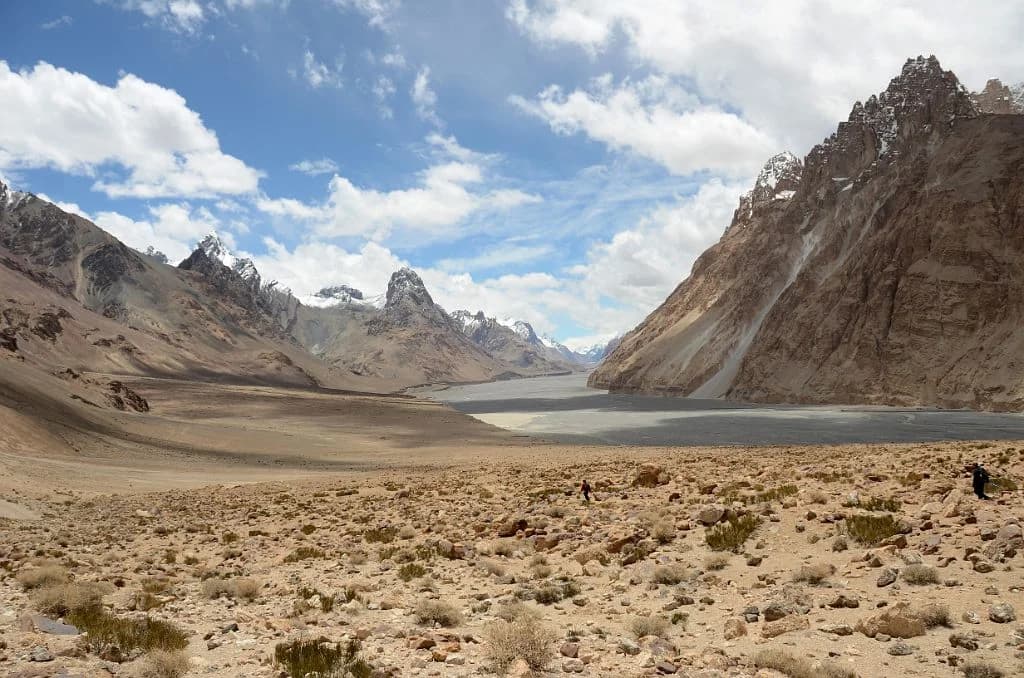
- Shaksgam Valley: A disputed region in the Hunza-Gilgit area, roughly 5,000 sq km in size, claimed by India but controlled by Pakistan, which ceded it to China under the 1963 China-Pakistan boundary agreement.
- India's Position: India maintains that the Shaksgam Valley is Indian territory and has never recognized the 1963 agreement, deeming it illegal and invalid.
- Indian Assertion: Ministry of External Affairs (MEA) stated, “The entire union territories of Jammu and Kashmir and Ladakh are an integral and inalienable part of India.”
Key Agreements
- 1963 China-Pakistan Boundary Agreement:
- Article 6 suggests that the agreement should be revisited post-resolution of the Kashmir dispute.
- Historical context: The agreement was made during heightened Sino-Pakistan relations after the 1962 Sino-Indian War.
Government Responses and Statements
- Former PM Nehru's Response: Expressed concern that the timing of the agreement with China was aimed at prejudicing India-Pakistan talks on Kashmir.
- Current Stance: As of 2022, India asserted that China occupies about 38,000 sq km of Indian territory in Ladakh and referenced the illegality of the 1963 agreement, consistent with India's earlier protests against it.
China-Pakistan Economic Corridor (CPEC)
- Initiation: Launched in 2015, the CPEC is designed to connect Gwadar Port in Pakistan to Kashgar in Xinjiang, China.
- Significance: Provides an alternative route for China to import oil, reducing dependency on the Malacca Strait.
- Investment Figures: Estimated investments over $62 million for infrastructure projects including highways and coal plants, but facing disruptions from local militancy and Pakistan's economic issues.
- Indian Opposition: India opposes CPEC, asserting it violates India's sovereignty since it traverses through territories it claims as its own.
Context of Sino-Pakistan Relations
- Historical Relationship: The partnership deepened post-1962 Indo-Chinese conflict with Pakistan seeking to leverage its relationship with China against India.
- International Dynamics: During Cold War, Pakistan's position was complicated by its ties with the US, which tried to mediate Pakistan-India peace talks.
Recent Developments
- Infrastructure Developments: The presence of Chinese infrastructure in Shaksgam Valley is viewed by India as an alteration of the status quo.
- Ongoing Diplomatic Protests: India continues to protest against infrastructure developments in the valley that are perceived as encroaching on Indian territory.
Summary of Key References
- Constitutional Articles: Not directly mentioned but inherent rights over territorial claims are implied based on India's constitutional sovereignty.
- International Relations: The ongoing dispute reflects broader geopolitical dynamics between India, China, and Pakistan involving sovereignty and territorial integrity.
- Judicial Context: No formal judicial rulings mentioned, but the legality of the boundary agreements and contentious historical claims play a pivotal role in the discourse.
This summary encapsulates critical data and insights from the article related to territorial disputes, international relations, and the legal status around the historical agreements affecting India, Pakistan, and China.
Key Terms & Concepts
| Shaksgam Valley | Claimed territory by India |
| China-Pakistan Economic Corridor (CPEC) | Infrastructure project in PoK |
| 1963 boundary agreement | Claimed illegal by India |
| India | Country opposing claims |
| Pakistan | Country asserting control |
| India's Union Territories | Part of Indian territory |
| Gwadar Port | End point of CPEC |
| Kashgar | Starting point of CPEC |
| Baloch militants | Group attacking CPEC projects |
| $62 million | Total Chinese investments in CPEC |
| Aksai Chin | Area disputed by China |