iAspirants
China's Influence on Global Politics
Published on:
Share this post
Article Summary
International Relations Summary: China and Global Governance
U.S. Foreign Policy Shift: Under President Trump, U.S. foreign policy characterized by aggressive tariffs and alienation of allies, disrupting traditional diplomatic frameworks.
China's White Paper on Global Governance: Recent publication outlines China's approach to reshaping global order, positioning itself as a defender against a "law of the jungle" approach, emphasizing its role as a responsible great power.
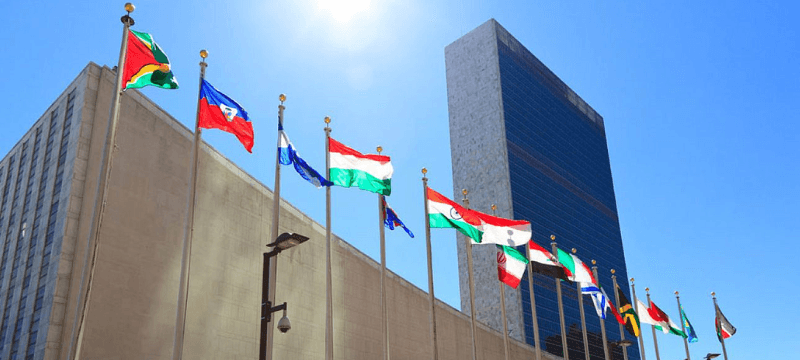
Financial Contributions: China is the second-largest contributor to the UN budget, with its share rising from under 1% in 2000 to over 20% projected for 2025; this underscores its commitment to institutional participation.
Institutional Engagement:
- Proactive in reforming the World Trade Organization (WTO).
- Established institutions such as:
- Asian Infrastructure Investment Bank (AIIB)
- New Development Bank (NDB)
- Shanghai Cooperation Organisation (SCO) These organizations are considered as expansions of China’s influence rather than replacements of the existing global system.
Normative Order Ambitions:
- Global Security Initiative (GSI): Stresses sovereignty and non-interference, potentially undermining Ukraine’s independence.
- Global Civilization Initiative (GCI): Advocates for a pluralistic view of universal values, potentially enabling authoritarian governments to avoid accountability.
- Global Governance Initiative: Claims reformation will not overturn current international order, yet indicates a shift in normative values regarding governance.
Rejecting International Judgments: China dismissed the 2016 Permanent Court of Arbitration decision concerning the South China Sea, highlighting selective adherence to established norms.
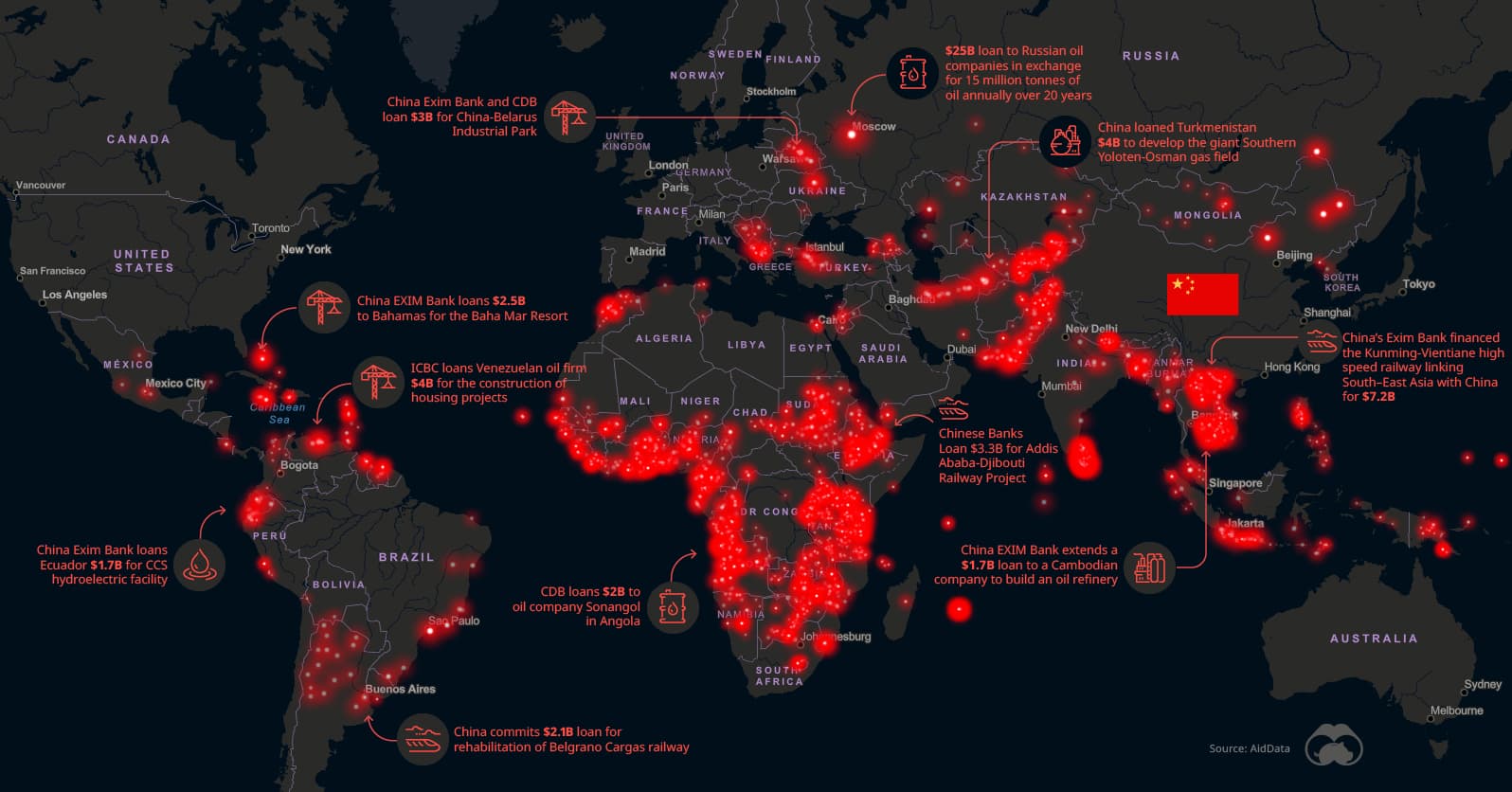
Belt and Road Initiative (BRI): Marketed as a development project, BRI reflects China's strategy of increasing influence and potential interferences in partner states.
Underlying Risks: As the U.S. faces credibility issues in its policies, the risk arises that emergent norms championed by China may redefine international principles, adversely affecting the sovereignty of states, civil society roles, and the rule of law.
Implications for India: The shifting norms in global governance and China's selective adherence to principles may pose strategic challenges to India’s interests in international relations.
Conclusion: The current landscape indicates a selective revisionism where China preserves institutional frameworks beneficial to its influence while gradually redefining normative structures to suit its agenda, concurrent with U.S. inconsistencies in policy.
Key Terms:
- Sovereignty
- Multilateralism
- Norm Entrepreneurship
- Institutional Revisionism
- Liberal Norms
Key Terms & Concepts
| United Nations | Largest international organization |
| WTO | World Trade Organization reform |
| Asian Infrastructure Investment Bank | China's multilateral initiative |
| New Development Bank | Development financing platform |
| Shanghai Cooperation Organisation | Regional security and cooperation |
| 2016 Permanent Court of Arbitration ruling | South China Sea dispute context |
| Belt and Road Initiative | Global infrastructure initiative |
| Global Development Initiative | Links to Sustainable Development Goals |
| Global Civilization Initiative | Promotes cultural diversity |
| Global Security Initiative | Emphasizes non-interference |
| Global Governance Initiative | Calls for international order reform |
| Sustainable Development Goals |