iAspirants
Civic Unrest in Iran and Challenges
Published on:
Share this post
Article Summary
Summary of Current Civic Unrest in Iran
Economic Indicators:
- Currency Devaluation: The Iranian rial has faced a drastic fall from an official exchange rate of 42,000 to a market rate of approximately 1.45 million per dollar, with its value dropping 20,000 times since the 1979 Islamic Revolution. The 45% decline in 2025 significantly impacted essential commodity imports, making it unprofitable for local merchants.
- Unemployment & Inflation: Affected segments include unemployed youth and low-wage employees, leading to widespread anti-government protests. Inflationary pressures are prompting a government relief scheme where 10 million rials (about $7) will be distributed monthly to citizens over the next four months.
Constitutional and Political Context:
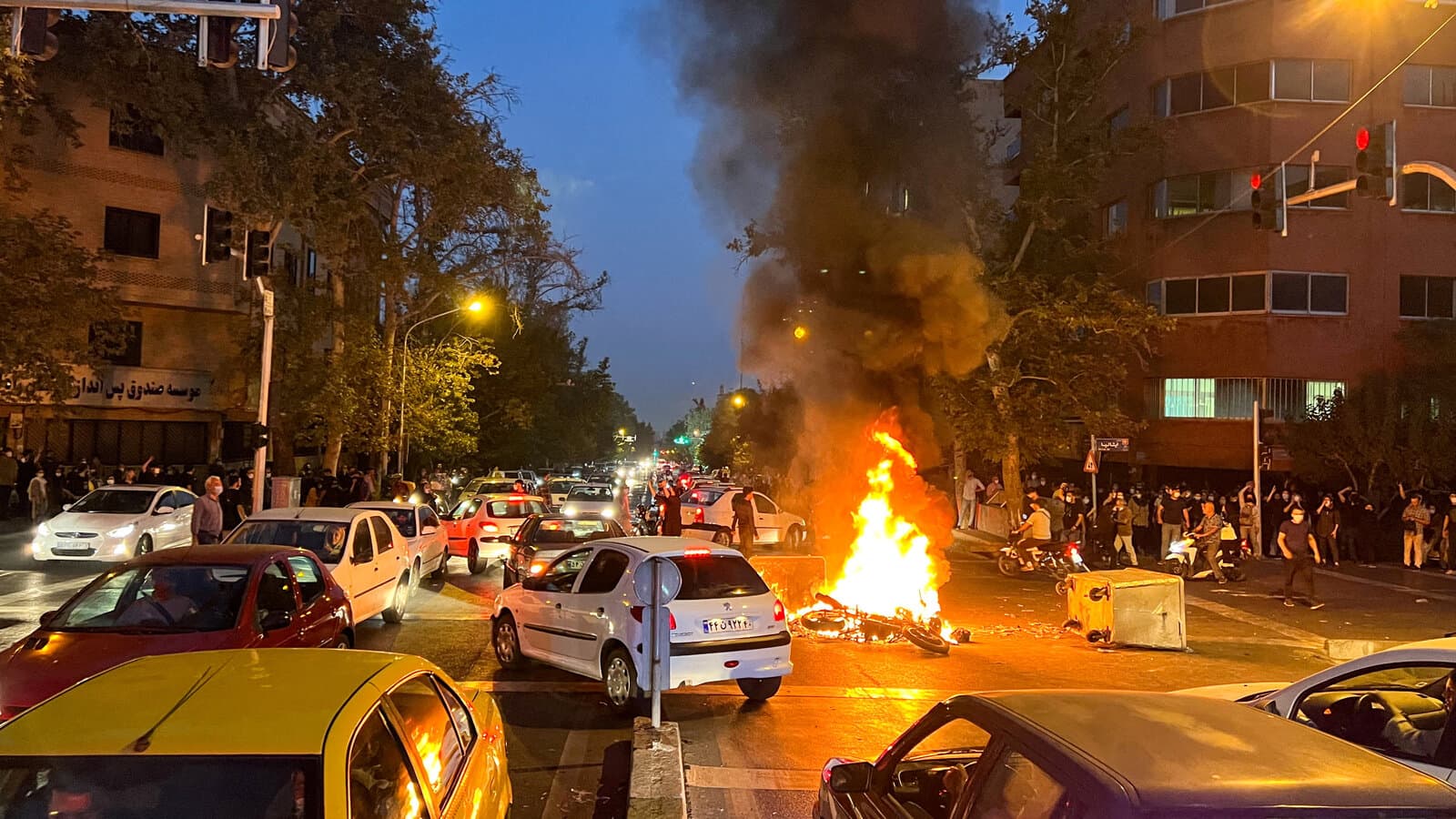
- The unrest can be traced back to a combination of economic mismanagement and political repression. Since the establishment of the Islamic Republic, the government employs a four-stage playbook to handle protests, characterized by police action, a mix of oppression and concession, and public narrative control.
- Protests often highlight systemic issues, especially among influential groups like the Bazaari traders, whose support for the clergy has waned due to economic pressures and sanctions.
Government Response:
- Reports claim that over 2,000 casualties from the unrest were confronted using a military-first approach, with counter-narratives blaming foreign interference.
- The government seems to withstand protests but must address deeper socio-economic grievances that perpetuate such unrest.
Judicial and Governance Issues:
- A lack of democratic mechanisms and public discontent is fueled by the concentration of power among radicals in key political entities, such as the clergy and judiciary, leading to feelings of alienation among women and non-Shia minorities.
International Relations and Security:
- Iran's geopolitical importance is emphasized by its strategic location and resources, particularly energy. Western sanctions and pressures (notably from the U.S and Israel) exacerbate internal struggles.
- In response to unrest, U.S. President Donald Trump has utilized non-kinetic strategies (e.g., cyberattacks, tariffs) while avoiding direct military engagement.
Trade and Economic Sanctions:
- Despite sanctions, Iran maintains substantial trade relations, especially with China ($40 billion) and the UAE ($30 billion), indicating resilience in international economic connections amidst external pressures.
- The effectiveness of potential U.S. secondary sanctions on Iran remains uncertain, as Iran has adapted its trade mechanisms.
Geopolitical Implications for India:
- India's interests in Iran are significant, affecting regional security and economic relations, especially regarding trade routes to Afghanistan and Central Asia.
- The stability of Iran is directly linked to Indian interests in terms of oil supply, diaspora concerns, and opportunities in post-sanction economic revitalization.
Conclusion:
The current unrest in Iran signals deep-rooted economic, political, and social challenges that transcend mere civil agitation. As Iran navigates complex domestic grievances alongside international sanctions, its impact extends beyond national borders, affecting regional dynamics and India’s strategic interests.
Key Terms & Concepts
| Iran | Country experiencing unrest |
| December 28, 2025 | Start date of protests |
| Rial | National currency of Iran |
| 42,000 | Official exchange rate to USD |
| 1.45 million | Market rate of rial |
| 20,000 times | Decline since Islamic Revolution |
| 45% | Decline in 2025 |
| Over 2,000 | Deaths during unrest |
| Islamic Revolutionary Guards Corps (IRGC) | Military entity supportive of regime |
| 10 million rials | Monthly handout to citizens |
| June 2025 | Israel-U.S. military event |
| U.S. maximum pressure sanctions | Sanctions affecting economy |
| China and United Arab Emirates |