iAspirants
Clarification on Indian Citizenship Document
Published on:
Share this post
Article Summary
Summary of Key Points on Citizenship in India
Constitutional References
- Article 11: Grants Parliament the power to legislate concerning citizenship; seen as having plenary authority but must align with constitutional principles.
- Article 14: Guarantees equality before the law to "any person."
- Article 21: Ensures the right to life and personal liberty to all individuals.
- Article 19: Provides freedoms including speech, assembly, and trade.
Recent Developments
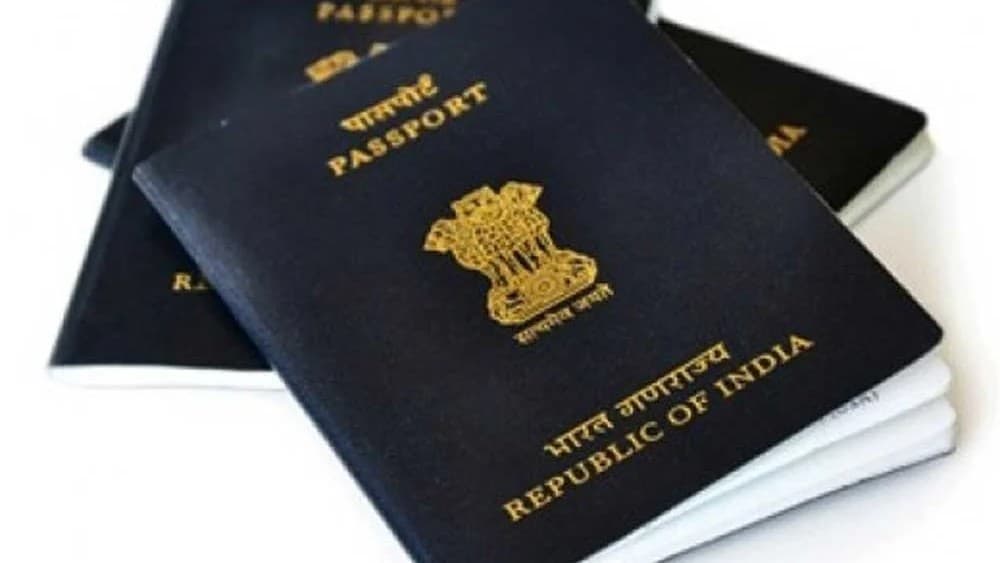
- MEA Statement (June 24, 2026): Clarified that the Indian passport is a "travel document" and not a "citizenship document," raising concerns about citizenship validation.
- Election Commission of India (ECI): Conducting a Special Intensive Revision (SIR) of electoral rolls, leading to scrutiny of citizenship status.
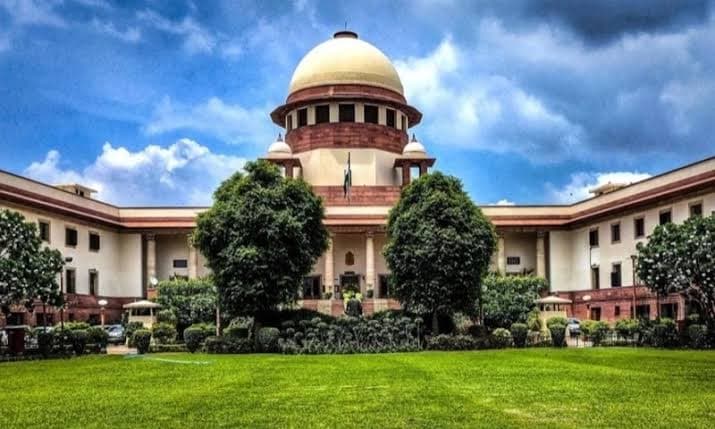
- Supreme Court Rulings: Recent judgments on citizenship validation during electoral processes, including a ruling in May 2026 that upheld the ECI's authority to inquire into citizenship for electoral eligibility.
Legislative Framework
- Citizenship Act, 1955: Initially based on the principle of jus soli (right of soil); however, amendments over time have shifted focus:
- Section 6A (1985): Relates to the Assam Accord, impacting citizenship based on dates of arrival.
- 2003 Amendment: Denies citizenship to those born in India if one parent is an "illegal migrant."
Supreme Court Interpretations
- Judgment on Section 6A (October 2024): The Supreme Court upheld the Parliament's broad powers regarding citizenship, suggesting minimal limitations under Article 11.
- Judgment in Association for Democratic Reforms vs Union of India (May 2026): Affirmed ECI's ability to assess citizenship for electoral rolls, differentiating between adjudication on citizenship and administrative processes.
Concerns and Implications
- There is a shift of the burden of proof onto individuals regarding their citizenship status, complicating the validation process.
- Basic rights and privileges tied to citizenship, including voting rights and legal protections, are at risk when citizenship status is ambiguous.
- The emphasis on documentation (passport, Aadhaar, voter ID) as inadequate proof of citizenship raises concerns about the potential disenfranchisement of individuals.
Historical Context
- The framers of the Constitution aimed for a secular state, opposing citizenship distinctions based on religion or race, as seen in debates during the Constitution's formation.
- B.R. Ambedkar's neutral citizenship clause was affirmed against religiously motivated amendments.
Conclusion
The discourse on citizenship in India is complex and evolving, particularly in light of recent governmental and judicial actions. The fundamental principles of equality, secularism, and non-discrimination enshrined in the Constitution must guide the legislative and administrative processes concerning citizenship.
Key Terms & Concepts
| Indian passport | Travel document, not citizenship proof |
| Ministry of External Affairs | Government agency issuing statement |
| Supreme Court of India | Judicial authority on citizenship issues |
| Citizenship Act, 1955 | Primary governing law for citizenship |
| Assam Accord | Historical agreement affecting citizenship |
| Article 11 | Parliament's power on citizenship laws |
| Section 6A | Amendment affecting citizenship in Assam |
| Sarbananda Sonowal vs Union Of India | Judgment on migration and citizenship |
| Association for Democratic Reforms vs Union of India | Judgment on electoral rolls and citizenship |
| Article 14 | Guarantees equality before the law |
| Article 21 | Right to life and personal liberty |
| Article 19 | Freedoms of speech and assembly |