iAspirants
Climate Change Impact on Himalayas
Published on:
Share this post
Article Summary
Summary of Key Facts and Data on the Himalayan Region and Climate Change
Geographic and Demographic Overview
- Coverage: The Indian Himalayan Region spans 12 States and 1 Union Territory, stretching over 2,500 km from Jammu and Kashmir to Arunachal Pradesh.
- Population: Home to over 77 million people, the Himalayas are crucial for their livelihoods and freshwater supply.
Environmental Importance
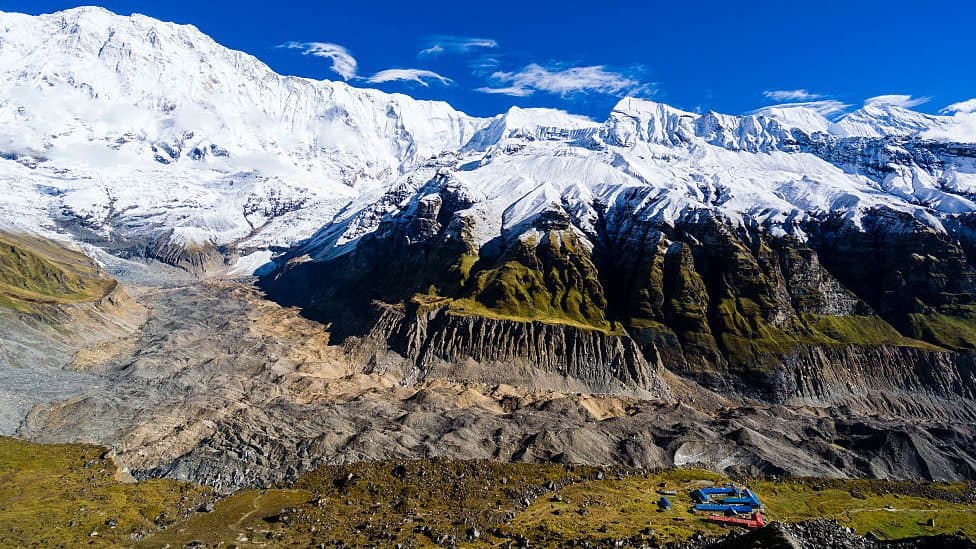
- Biodiversity: The region is noted for its rich biodiversity and over 22,000 glaciers.
- Freshwater Resources: The Himalayas serve as a 'water tower' for Asian rivers; they are vital sources for 10 of the continent's largest rivers.
Climate Change Impact
- Temperature Increase: According to the International Centre for Integrated Mountain Development (ICIMOD), the region has warmed nearly 2°C since 1950, exceeding the global average. Higher elevations (> 4,000 m) have warmed at 0.34°C per decade, totaling a rise of at least 2.38°C.
- Glacial Retreat: The region experiences significant glacier retreat, with a loss of over 270 billion tonnes of glacier mass per year and projections indicating a potential loss of two-thirds of all glaciers by the century's end.
Climate Hazards
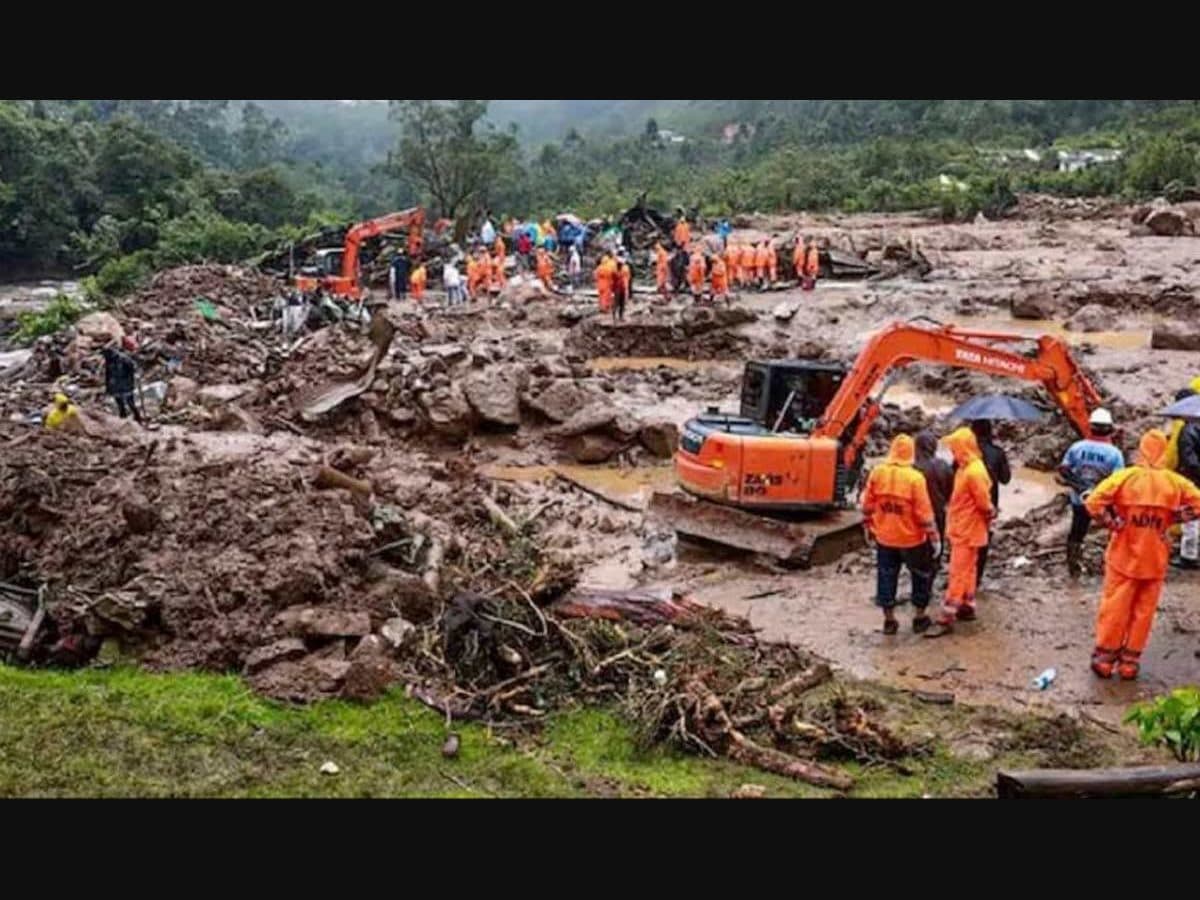
- GLOFs (Glacial Lake Outburst Floods): Rapid glacial melting is leading to increased occurrences of GLOFs, due to swelling glacial lakes from retreating glaciers.
- Judgments on GLOF Risk: A 2021 study identified 4,418 glacial lakes in the Himalayan states with Jammu and Kashmir highlighted as having the highest GLOF danger.
- Recent Incidents: Catastrophic events, such as the Kedarnath floods (2013) and South Lhonak floods (2023), emphasize the unpredictability and devastation associated with GLOFs.
Water Resource Challenges
- Melt Water Dependency: Himalayan snow and ice contribute significantly to river flow, with meltwater providing 23% of the total flow in major river basins. For instance, it accounts for about 40% for the Indus River.
- Seasonal Changes: Decreased winter snow and fluctuating melt timings threaten irrigation and food security in local communities.
Policy and Adaptive Strategies
- Water Management: Experts advocate for integrated climate-resilient water management strategies and reviving traditional water systems for enhanced community adaptability.
- Governmental Needs: A comprehensive action plan is essential for India to address rapid changes in the cryosphere and support these vulnerable populations.
International Recognition
- International Year of Glaciers' Preservation: The United Nations has declared 2025 as the International Year of Glaciers' Preservation, marking a pivotal time for awareness and action concerning glaciers and their critical roles.
Economic Implications
- Tourism and Agriculture: Alterations in melt patterns and water availability jeopardize tourism (peak summer demand) and agricultural productivity, posing economic risks.
Scientific Insights
- Research Gaps: There is a need for enhanced risk assessments for GLOF hazards using climate and hydrodynamic models, which are currently underutilized.
- Response to Changes: Building community resilience through awareness and early warning systems is now paramount for disaster preparedness.
Conclusion
The data highlights the pressing need for immediate action and comprehensive policies to safeguard the Himalayan region against climate change and its socioeconomic effects, ensuring sustainable management of its vital water resources and protecting the livelihoods of millions.
Key Terms & Concepts
| Indian Himalayan Region | Home to 77 million people |
| Hindu Kush Himalayan region | Warmed faster than global average |
| International Centre for Integrated Mountain Development (ICIMOD) | Reported on climate impacts |
| 2° C | Temperature increase since 1950 |
| 270 billion tonnes | Annual glacier mass loss |
| Glacier lake outburst floods (GLOFs) | Natural disaster risk assessment |
| 23.3% | Decline in snow persistence |
| 40% | Snowmelt contribution to Indus River |
| 15% | Snowmelt contribution to Ganga River |
| 2025 International Year of Glaciers’ Preservation | UN initiative for glacier awareness |
| 3° C | Projected temperature rise by century's end |
| 4,418 glacial lakes | GLOF danger assessment study |