iAspirants
Climate Change Impacts Loggerhead Turtles
Published on:
Share this post
Article Summary
Climate Change Impact on Loggerhead Turtles: Key Findings and Implications
Species Overview:
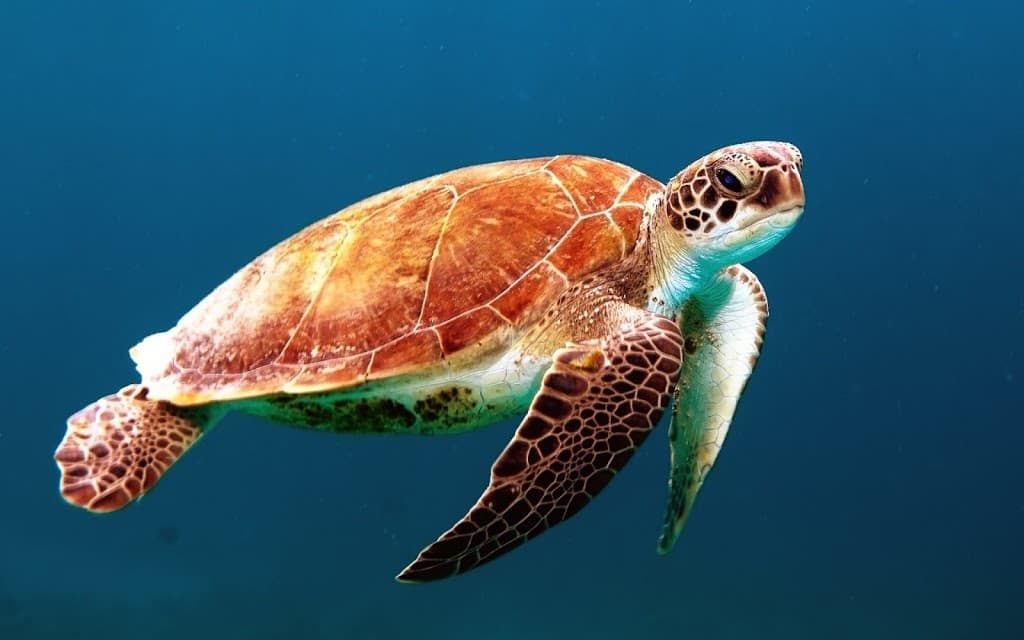
- Loggerhead Turtle: Known for its large head, this omnivorous marine reptile is experiencing significant ecological changes due to climate change.
Research Details:
- Duration: 17-year study conducted in Cabo Verde, an island nation off West Africa, where tens of thousands of female loggerhead turtles nest annually.
- Publication: Findings reported in the journal Animals.
Key Findings:
- Nesting Behavior:
- Nesting occurs earlier in the year as ocean temperatures rise.
- Breeding frequency has decreased from every 2 years to every 4 years.
- Egg Production:
- A reduction in the number of eggs laid in each nest.
- Size Decline:
- The turtles are becoming smaller, impacting reproductive productivity.
- Food Supply:
- Satellite estimates indicate declining chlorophyll levels, suggesting reduced marine productivity affecting the turtles’ feeding ecology.
- Nesting Behavior:
Scientific Insights:
- Increased temperatures correlate with earlier reproductive cycles and extended nesting seasons.
- Smaller-sized females produce fewer and smaller clutches.
- Loggerheads, classified as “capital breeders,” rely on energy reserves amassed from foraging over years for reproduction.
Environmental Impacts:
- Rising sea levels are destroying ideal nesting beaches.
- Nest temperature changes can skew hatchling sex ratios due to temperature-dependent sex determination typical in reptiles.
Conservation Recommendations:
- Conservation strategies should extend beyond nesting sites to include feeding habitats and overall marine ecosystem health.
- Recognizing that climate change can undermine reproductive success, even in seemingly stable populations, is critical.
Broader Climate Change Effects:
- Disruption of oceanic currents impacts adult turtles’ migration patterns and hatchling dispersal, necessitating a comprehensive approach to marine conservation.
Conclusion:
- The findings underscore the vulnerability of loggerhead turtles to climate change and highlight the urgent need for holistic conservation efforts that address both breeding and feeding contexts in their habitats.
Call to Action:
- Researchers and conservationists stress the importance of implementing effective strategies that protect loggerheads from the multifaceted challenges posed by a warming climate.
This summary encapsulates the critical aspects of the study on loggerhead turtles and highlights the urgent need for effective conservation strategies amidst the challenges brought by climate change.
Key Terms & Concepts
| Loggerhead Turtles | Affected by climate change |
| Cabo Verde | Research location for study |
| Queen Mary University of London | Conducted research study |
| Population dynamics | Observed study variable |
| Chlorophyll satellite estimates | Food supply measurement |
| Declining reproductive output | Result of environmental changes |
| Conservation strategies | Needed for safeguarding turtles |
| Higher nest temperatures | Affect hatchling sex ratio |
| Erosion of nesting beaches | Impact of rising sea levels |
| Migration patterns | Altered by climate change |